

Introduction to Sugar Pneumatic Conveying Equipment: Structure and Working Principle
Sugar pneumatic conveying equipment is a specialized system engineered for the efficient and safe transportation of granular or powdered sugar materials. This technology is integral to the sugar processing industry, enabling seamless movement of raw sugar, refined sugar, or other sugar-based products from storage silos to processing lines, packaging stations, or storage areas. The system integrates pneumatic transport principles with mechanical components to achieve reliable, low-maintenance material handling, making it an essential solution for modern sugar mills and processing facilities. By utilizing air pressure or vacuum to move sugar particles through a pipeline, the equipment minimizes the need for manual labor and reduces the risk of material contamination or degradation, which are critical concerns in sugar handling.
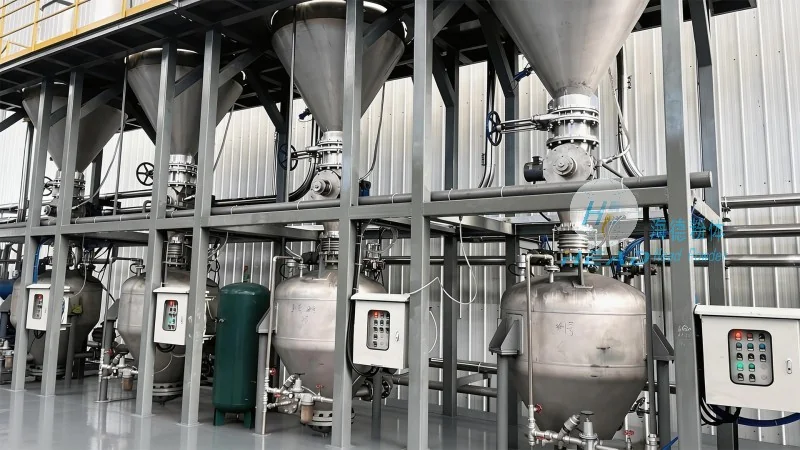
Key Structural Components and Working Principle
The core structure of a sugar pneumatic conveying system comprises several critical components that work in concert to ensure effective operation. The primary elements include the hopper, feeder, air compressor, conveying pipeline, and discharge unit. The hopper serves as the initial storage container, where sugar is loaded and held before being fed into the system. The feeder, typically a rotary valve or screw feeder, regulates the flow of sugar from the hopper into the conveying pipeline, ensuring a consistent and controlled feed rate. The air compressor generates the necessary air pressure or vacuum to move the sugar particles through the pipeline. The conveying pipeline, usually constructed from stainless steel or other corrosion-resistant materials, transports the sugar and air mixture. The discharge unit, such as a rotary valve or cyclone separator, separates the sugar from the air at the receiving end, allowing the sugar to be deposited into the target container or processing equipment. The air compressor may be a positive displacement type or a rotary lobe compressor, depending on the system’s capacity and pressure requirements. The pipeline is often equipped with check valves or flow control devices to prevent backflow and maintain system stability.
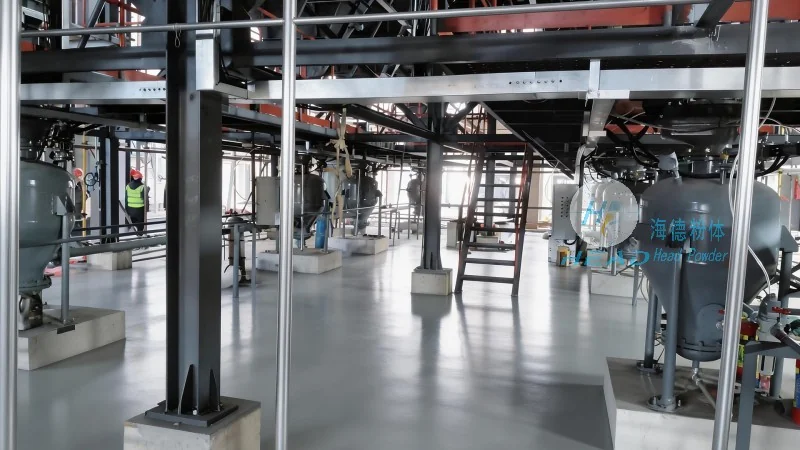
Advantages of Using Pneumatic Conveying for Sugar Handling
Implementing pneumatic conveying systems in sugar processing offers numerous advantages over traditional mechanical conveyors. One of the most significant benefits is the ability to handle fine or dusty sugar powders without the risk of clogging or material degradation. The enclosed system prevents contamination from external sources, maintaining the purity and quality of the sugar, which is essential for meeting food safety and regulatory standards. Additionally, pneumatic conveying reduces labor costs by automating the material transport process, minimizing the need for manual handling and reducing the risk of workplace injuries. The system also offers flexibility in layout, as the conveying pipeline can be installed in various configurations to suit the specific layout of a sugar mill, optimizing space utilization and workflow efficiency. Furthermore, the low maintenance requirements and long service life of pneumatic conveying equipment contribute to overall operational cost savings and increased productivity. Unlike mechanical conveyors that may require frequent cleaning and maintenance due to material buildup, pneumatic systems are designed to handle abrasive or sticky sugar materials with minimal wear and tear on components.
HeadPowder Engineering: Expert in Sugar Pneumatic Conveying Solutions
Shandong HeadPowder Engineering Co., Ltd., commonly known as HeadPowder, is a leading manufacturer and supplier of specialized pneumatic conveying equipment tailored for the sugar industry. With decades of experience and a deep understanding of the unique challenges faced by sugar processing facilities, HeadPowder has developed a range of high-quality sugar pneumatic conveying systems that meet the stringent requirements of modern sugar production. The company’s products are designed to ensure reliable performance, durability, and compliance with industry standards, providing customers with a robust solution for their material handling needs. HeadPowder’s team of engineers and technicians works closely with clients to understand their specific requirements, offering customized solutions that enhance operational efficiency and reduce downtime. The company’s commitment to quality and customer satisfaction has established it as a trusted partner in the sugar processing industry, delivering equipment that meets the highest standards of performance and reliability. HeadPowder’s facilities in Shandong, China, utilize advanced manufacturing technologies and rigorous quality control processes to ensure that each piece of equipment is built to last and perform optimally under demanding conditions.
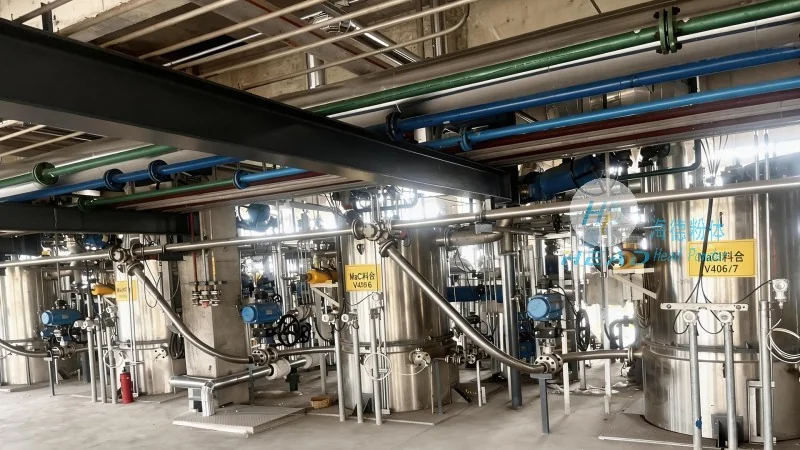
Application Examples in Sugar Processing Facilities
Sugar pneumatic conveying equipment is widely used in various stages of sugar processing. For instance, in raw sugar handling, the system can transport raw sugar from storage silos to the refining process, ensuring a continuous and controlled supply of raw material. In refined sugar production, the equipment efficiently moves refined sugar from the crystallization and drying stages to packaging lines, maintaining the product’s quality and preventing contamination. Additionally, the system is utilized in the handling of by-products, such as molasses or sugar residues, facilitating their transport to storage or further processing. The versatility of pneumatic conveying systems allows them to adapt to different production scales, from small-scale sugar processing plants to large industrial facilities, making it a universal solution for the sugar industry. In some facilities, pneumatic conveying is used to transport sugar from the processing line to bulk storage tanks, ensuring that the product is stored in a clean and controlled environment. The system’s ability to handle both dry and slightly moist sugar materials makes it suitable for a wide range of applications within the sugar processing workflow.