

Types and Practical Applications of Pneumatic Conveying Systems for Wood Fiber Transport
In the wood processing and fiber handling industry, efficient and reliable material conveying systems are crucial for ensuring smooth production processes. Pneumatic conveying systems, as a key technology, have shown significant advantages in the transport of wood fibers, effectively addressing challenges faced by traditional mechanical conveying methods such as dust issues, equipment wear, and the adaptability to complex paths. Shandong HeadPowder Engineering Co., Ltd. as a professional engineering company, is committed to providing advanced pneumatic conveying system solutions for the wood fiber industry, helping clients improve production efficiency and reduce operating costs.
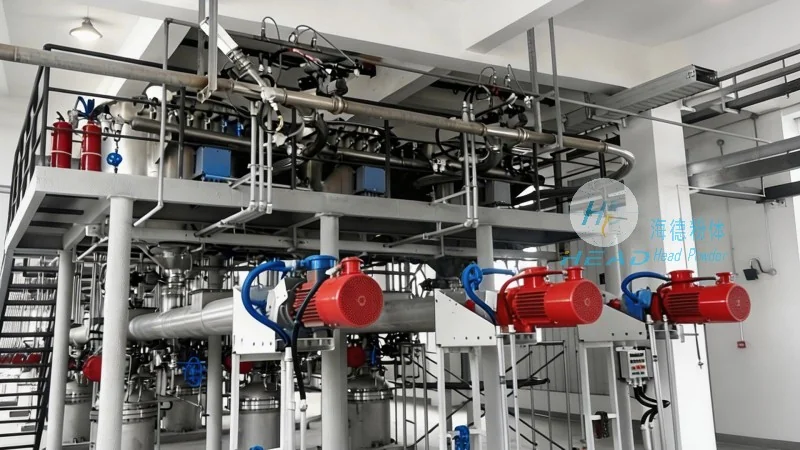
1. Basic Types of Pneumatic Conveying Systems
Pneumatic conveying systems are mainly divided into positive pressure, negative pressure, and hybrid types based on pressure conditions and conveying methods. Each type has its unique applicable conditions and advantages, and selecting the appropriate system type is crucial for the conveying efficiency, cost control, and system stability of wood fibers.
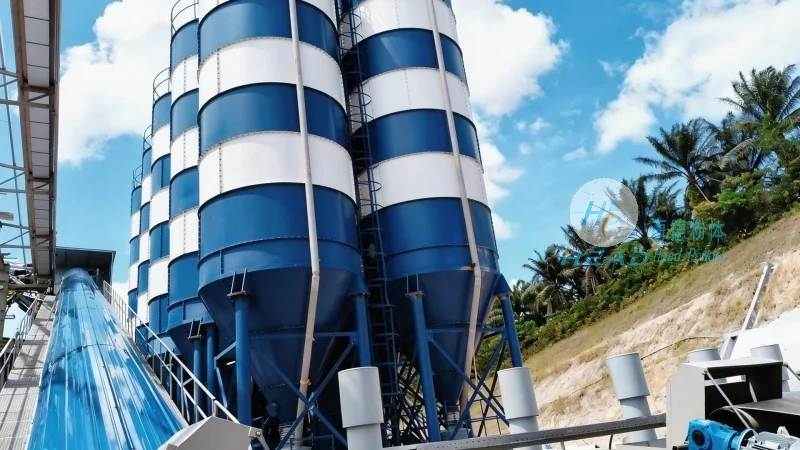
2. Positive Pressure Pneumatic Conveying System
Positive pressure pneumatic conveying systems push materials from the starting point to the endpoint by supplying compressed air or gas into the conveying pipeline. This system typically uses a closed pipeline to ensure the material remains dry during transport, reducing dust scattering. For wood fibers, which are brittle and sensitive to humidity, the positive pressure system provides a stable pressure environment, effectively preventing material breakage and agglomeration. Positive pressure systems are particularly suitable for short-distance, high-conveying-volume tasks, such as direct transport from storage silos to processing equipment. Additionally, positive pressure systems generate less noise during transport, minimizing environmental impact and meeting modern industrial requirements for environmental protection and noise control.
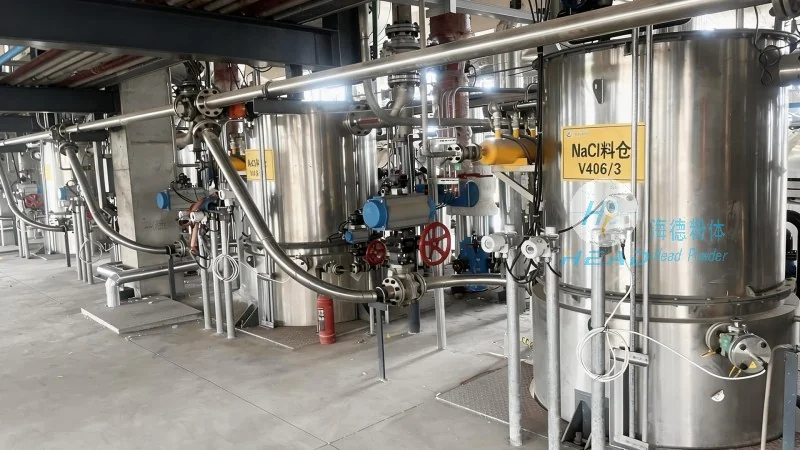
3. Negative Pressure Pneumatic Conveying System
Negative pressure pneumatic conveying systems draw materials from the starting point into the pipeline by creating a negative pressure inside the conveying pipeline. Unlike positive pressure systems, negative pressure systems are typically used for collecting materials from multiple dispersed points, such as from multiple hoppers or bulk warehouses. For the collection and initial transport of wood fibers, negative pressure systems have significant advantages, avoiding secondary pollution of materials during transport and maintaining the original state of the material. Negative pressure systems require special safety measures when handling flammable or explosive materials, but through reasonable pipeline design and filtration systems, risks can be effectively controlled. Negative pressure systems are suitable for long-distance, low-conveying-volume tasks, such as transferring materials from warehouses to processing plants.
4. Hybrid Pneumatic Conveying System
Hybrid pneumatic conveying systems combine the characteristics of positive and negative pressure conveying by alternating between positive and negative pressure during the conveying process. This system is typically used for complex production lines that need to switch conveying direction or adjust conveying pressure at different stages. For wood fiber processing processes, hybrid systems can dynamically adjust conveying parameters according to production needs, improving system flexibility and efficiency. For example, in the pre-treatment stage of fiber processing, the system may use positive pressure to keep the material dry; while in subsequent processing stages, negative pressure may be used to collect fine fibers. Although hybrid systems have relatively complex structures, they can significantly improve the flexibility and overall efficiency of production lines, reducing maintenance costs.
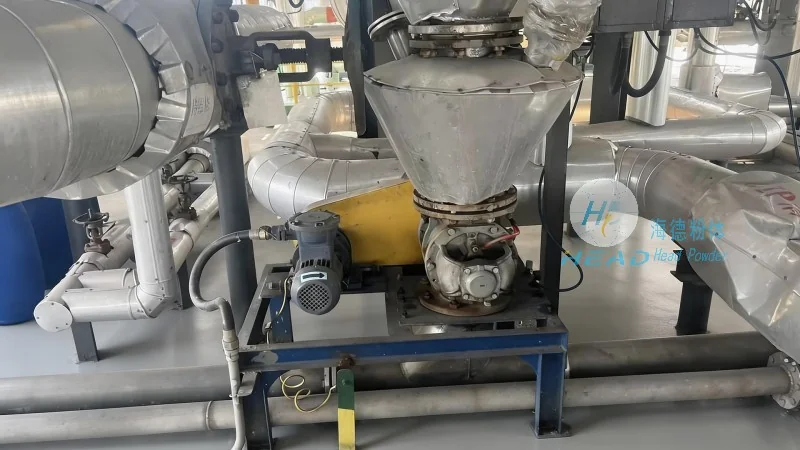
5. Practical Application Case Studies
In actual industrial applications, pneumatic conveying systems are widely used in the transport of wood fibers, covering all aspects from raw material collection, storage, processing to finished product packaging. The following case studies illustrate the performance of different types of pneumatic conveying systems in actual production.