

Types and Practical Applications of Pneumatic Conveying Systems for Lithium-Ion Battery Cathode Mate
For the efficient and safe transport of lithium-ion battery cathode materials, pneumatic conveying systems have emerged as a critical solution in the modern manufacturing landscape. These systems utilize air or gas to move bulk materials through a pipeline network, offering advantages such as dust-free operation, reduced contamination, and enhanced process control. As the demand for high-performance lithium-ion batteries grows, the selection and implementation of appropriate pneumatic conveying technologies become increasingly important for manufacturers to ensure productivity and product quality. Shandong HeadPowder Engineering Co., Ltd., a leading provider of material handling solutions, specializes in designing and implementing customized pneumatic conveying systems tailored to the unique needs of lithium-ion battery manufacturers.
Types of Pneumatic Conveying Systems
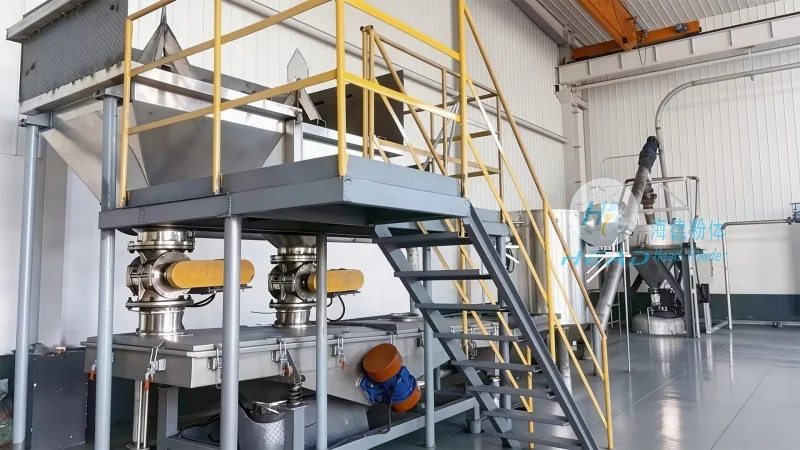
There are primarily two main categories of pneumatic conveying systems used in the transportation of lithium-ion battery cathode materials: positive pressure systems and negative pressure systems. Each type has distinct characteristics and is suited to different operational requirements.
Positive pressure systems, also known as pressure conveying systems, operate by blowing air or gas into the material stream to push the material through the pipeline. This method is often preferred for applications requiring high material flow rates and long-distance transport. The system typically includes a blower, a hopper, and a discharge unit, with the air being introduced at the material inlet to maintain a positive pressure throughout the pipeline. Positive pressure systems are effective for handling abrasive or corrosive materials, as the air flow helps to protect the pipeline and equipment from material wear.
Negative pressure systems, or vacuum conveying systems, operate by creating a vacuum at the material discharge end, which draws the material into the pipeline. This approach is commonly used for short-distance transport or when the material needs to be collected from multiple sources. The system consists of a vacuum pump, a collection hopper, and a material inlet, with the vacuum being applied at the discharge point to pull the material through the pipeline. Negative pressure systems are advantageous for handling fine powders and materials that are sensitive to pressure changes, as they minimize the risk of material degradation.
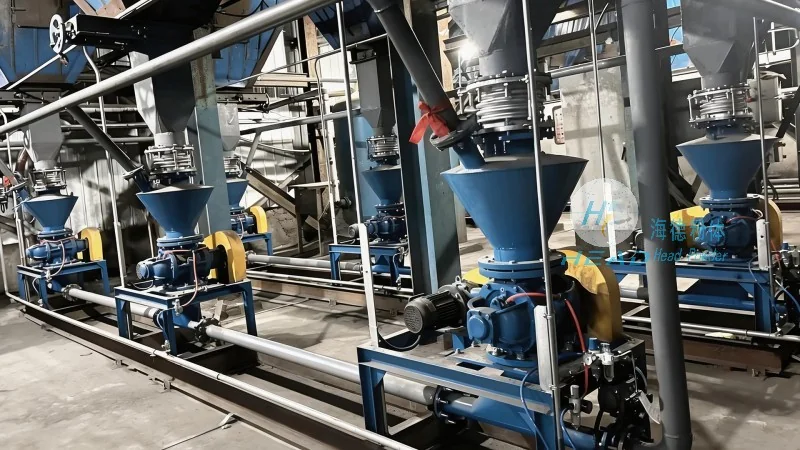
Additionally, hybrid or mixed-type systems combine elements of both positive and negative pressure operations. These systems may use a positive pressure blower to transport material from a central hopper to a distribution point, followed by a negative pressure section to transport material to individual processing units. Hybrid systems offer flexibility and can be optimized for complex material handling scenarios, such as those involving multiple production lines or varying material flow rates.
Practical Applications in Lithium-Ion Battery Cathode Material Transport
In the context of lithium-ion battery manufacturing, pneumatic conveying systems are employed in various stages of the cathode material processing workflow. The primary applications include material transfer from raw material storage to mixing and blending units, transportation between different production lines, and delivery to final packaging or storage areas.
During the initial stages of cathode material production, raw materials such as lithium cobalt oxide (LCO), lithium nickel manganese cobalt oxide (NMC), or lithium iron phosphate (LFP) are often stored in bulk silos or hoppers. Pneumatic conveying systems efficiently transport these materials from storage to the mixing and blending equipment, ensuring consistent material flow and preventing contamination from external sources. The positive pressure systems are particularly suitable for this step, as they can handle large volumes of material and maintain a controlled environment.
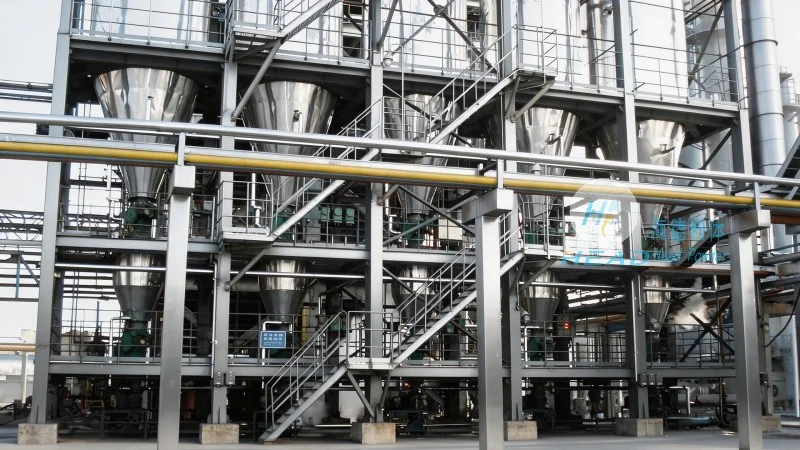
As the cathode material progresses through the manufacturing process, it may need to be transferred between different processing units, such as from a mixing line to a coating line or from a drying unit to a grinding station. Pneumatic conveying systems provide a seamless and dust-free method for these inter-stage transfers, minimizing the risk of material loss or degradation. Negative pressure systems are often used for these intermediate transfers, as they can handle smaller volumes and maintain a stable vacuum to prevent material spillage.
At the final stages of production, the processed cathode material is typically conveyed to packaging or storage facilities. Pneumatic conveying systems ensure that the material is delivered to the packaging equipment in a controlled manner, maintaining the required moisture and particle size specifications. This final transfer is critical for meeting quality standards and ensuring that the cathode material is ready for use in battery assembly.
Key Considerations for System Selection and Implementation
When selecting a pneumatic conveying system for lithium-ion battery cathode material transport, several factors must be considered to ensure optimal performance and reliability. The first consideration is the material characteristics, including particle size, density, moisture content, and flowability. These properties determine the appropriate conveying velocity, pipeline diameter, and system pressure. For example, fine powders with high moisture content may require higher conveying velocities and more robust equipment to prevent clogging or material degradation.
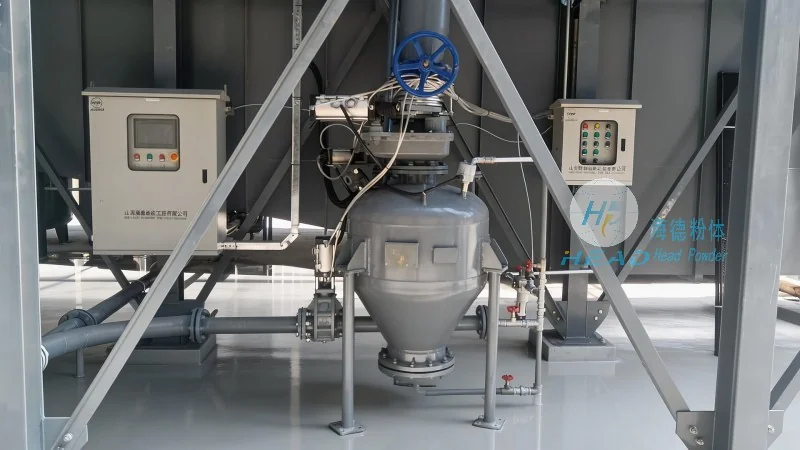
Another critical factor is the distance and layout of the material transport path. Long-distance transport typically requires positive pressure systems with higher air flow rates, while short-distance or multi-point delivery may benefit from negative pressure or hybrid systems. The system design must also account for the number of material sources and destinations, as well as any changes in elevation or direction that may affect the material flow.
Energy efficiency is also a key consideration in modern manufacturing. Pneumatic conveying systems can be optimized to minimize energy consumption by selecting appropriate blower types, such as centrifugal or positive displacement blowers, and by maintaining the system at the lowest effective pressure. Regular maintenance and cleaning of the pipeline and equipment are essential to prevent performance degradation and ensure long-term operational efficiency.
Finally, safety and compliance with industry standards are paramount. Lithium-ion battery cathode materials are often sensitive to moisture and contamination, and pneumatic conveying systems must be designed to prevent leaks or exposure to external elements. The systems should also comply with local regulations regarding dust control and material handling, ensuring a safe working environment for personnel.