

Types, Features, and Applications of Pneumatic Conveying for Molybdenum Trioxide
For industries dealing with molybdenum trioxide (MoO₃), efficient material handling is crucial. Pneumatic conveying systems offer a versatile solution for transporting this valuable chemical, and understanding the different types, key features, and practical applications is essential for optimizing operations. This article provides an in-depth look at the pneumatic conveying of molybdenum trioxide, highlighting the technology's benefits and its role in various industrial processes.
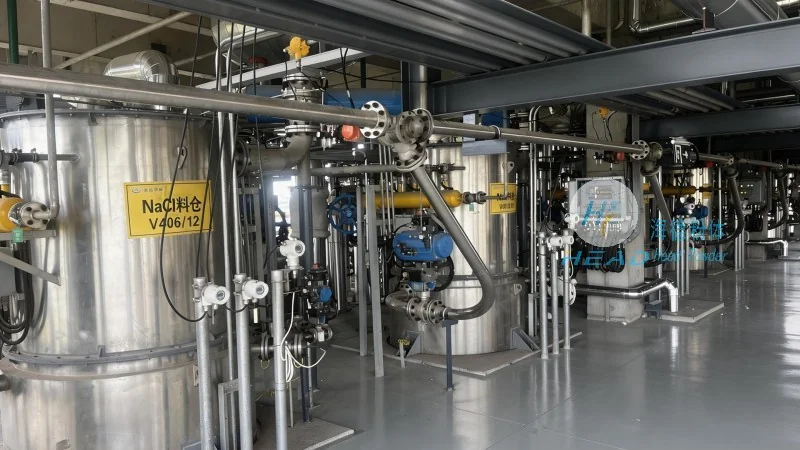
Introduction to Molybdenum Trioxide and Pneumatic Conveying
Molybdenum trioxide is a white to yellowish solid, widely used as a catalyst in the chemical industry, as well as in the production of molybdenum metal and other molybdenum compounds. Due to its fine particle size and potentially hazardous nature, traditional bulk handling methods may pose challenges. Pneumatic conveying, which uses air or other gases to transport solid materials, provides a safe, dust-free, and efficient alternative. This method is particularly suitable for handling molybdenum trioxide because it minimizes exposure to airborne particles and reduces the risk of contamination.
Types of Pneumatic Conveying Systems for Molybdenum Trioxide
There are two primary types of pneumatic conveying systems used for molybdenum trioxide: aspirating (or vacuum) systems and pressure systems. Each type has distinct characteristics and is suited to different operational requirements.
Aspirating (Vacuum) Pneumatic Conveying
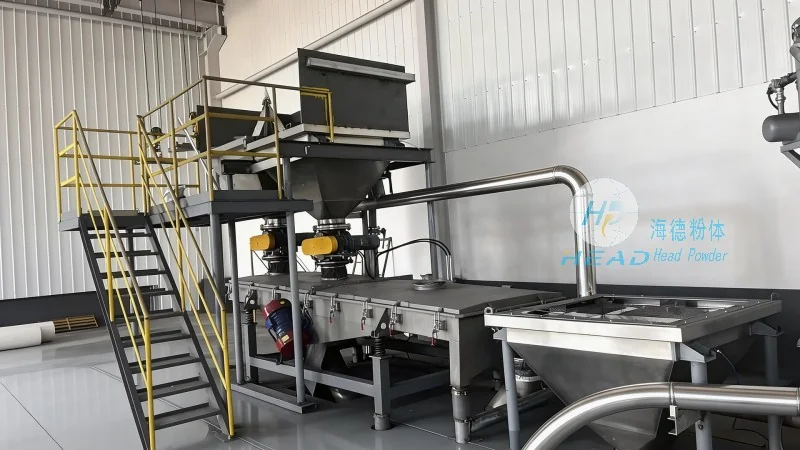
Aspirating systems operate under negative pressure, drawing material from a source into a conveying line using a vacuum pump. This type is ideal for applications where the material needs to be collected from multiple points or from a distance. For molybdenum trioxide, aspirating systems are commonly used in batch processing or when the material is stored in silos or hoppers that are located away from the processing equipment. The key advantage of this system is its ability to handle long conveying distances and multiple pick-up points without the need for additional pressure sources.
Pressure Pneumatic Conveying
Pressure systems, on the other hand, operate under positive pressure, pushing material through a pipeline using a blower or compressor. These systems are typically used for continuous, high-volume material transport. In the case of molybdenum trioxide, pressure systems are preferred when the material is to be delivered to a processing unit at a consistent flow rate. They are also suitable for conveying material over shorter distances or when the material is stored in a pressurized hopper or silo. The main benefit of pressure systems is their ability to maintain a continuous flow, which is critical for maintaining production efficiency.
Key Features of Pneumatic Conveying for Molybdenum Trioxide
Regardless of the system type, pneumatic conveying for molybdenum trioxide offers several key features that enhance operational performance and safety:
- Dust-Free Operation: By transporting material in a sealed pipeline, pneumatic systems eliminate the generation of dust, reducing the risk of inhalation and environmental contamination.
- Safe Material Handling: The enclosed system prevents exposure to molybdenum trioxide particles, which can be harmful if inhaled or come into contact with skin. This is particularly important in compliance with occupational health and safety regulations.
- Energy Efficiency: Modern pneumatic conveying systems are designed to be energy-efficient, using minimal power to transport material over varying distances. This reduces operational costs and environmental impact.
- Flexibility: Both aspirating and pressure systems can be configured to handle different particle sizes and flow rates, making them adaptable to various production needs.
- Low Maintenance: The components of pneumatic conveying systems, such as pipelines, valves, and pumps, are generally durable and require minimal maintenance, ensuring long-term reliability.
Applications of Pneumatic Conveying for Molybdenum Trioxide
Molybdenum trioxide is used in a wide range of industrial applications, and pneumatic conveying is integral to the handling of this material in several key sectors:
Catalyst Production
In the chemical industry, molybdenum trioxide is a critical component in the production of catalysts for petroleum refining, chemical synthesis, and environmental control. Pneumatic conveying systems are used to transport the raw material from storage silos to the catalyst manufacturing plant, ensuring a consistent supply of high-purity molybdenum trioxide. This is essential for maintaining the quality and efficiency of the catalysts produced.
Metal Production
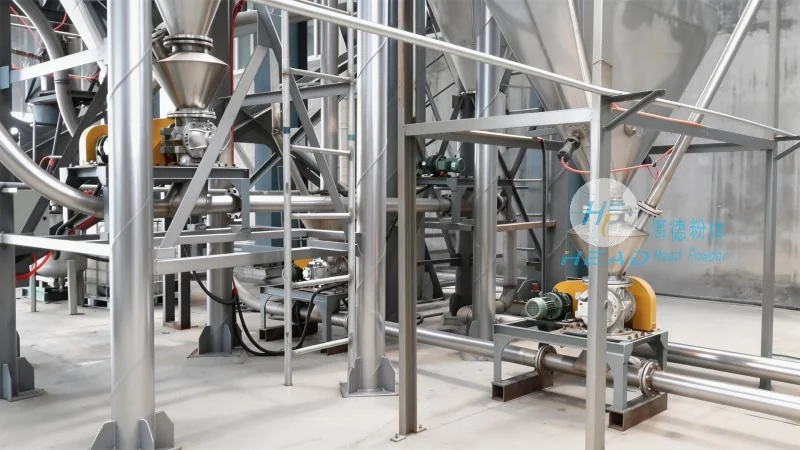
Molybdenum trioxide is also used in the production of molybdenum metal, which is a key alloying element in steel and other metals. The material is often processed in large quantities, and pneumatic conveying is used to transport it from the processing plant to the metal production line. This ensures a smooth flow of material and minimizes downtime in the metal production process.
Pharmaceutical and Food Industry
While less common, molybdenum trioxide is sometimes used in the pharmaceutical and food industries as a nutrient supplement or as a component in certain formulations. Pneumatic conveying is used to handle the material in these sectors, ensuring that it is transported safely and without contamination. The enclosed system helps maintain the purity of the material, which is critical for meeting regulatory standards.
Conclusion
Pneumatic conveying is a highly effective method for handling molybdenum trioxide, offering numerous advantages over traditional bulk handling techniques. By understanding the different types of systems available and their specific features, industries can select the most suitable solution for their operational needs. The technology not only enhances safety and efficiency but also contributes to cost savings and environmental sustainability. As a leading provider of material handling solutions, Shandong HeadPowder Engineering Co., Ltd. specializes in designing and implementing pneumatic conveying systems tailored to the unique requirements of molybdenum trioxide and other fine chemicals. With our expertise and commitment to quality, we help industries optimize their material handling processes and achieve their production goals.