

Types, Features, and Applications of Urea Granule Pneumatic Conveying
Urea granule pneumatic conveying is a critical technology in the fertilizer and chemical industries, enabling efficient and reliable transport of urea granules from production sites to storage or processing facilities. This method leverages air as the conveying medium, offering advantages such as reduced equipment wear, lower energy consumption, and enhanced safety compared to traditional mechanical conveying systems. For businesses involved in urea production and distribution, understanding the types, features, and applications of this technology is essential for optimizing operational efficiency and ensuring product quality.
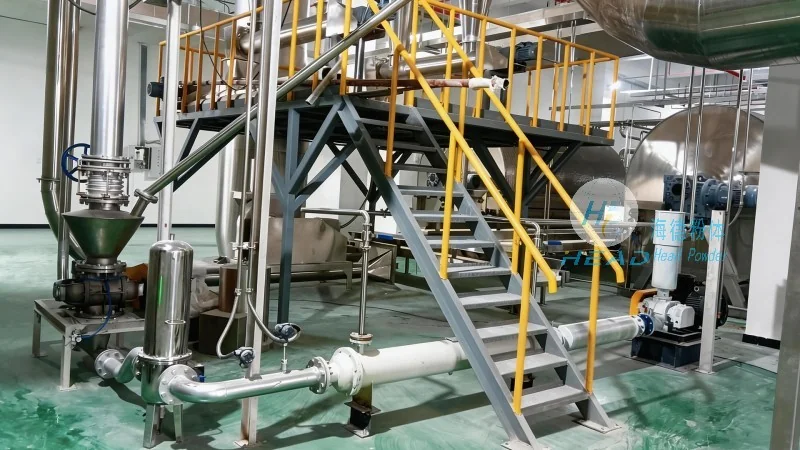
About Shandong HeadPowder Engineering Co., Ltd.
HeadPowder, the professional manufacturer behind this advanced conveying solution, is a leading company in the field of material handling equipment. With a strong commitment to innovation and quality, HeadPowder has established itself as a trusted partner for industries requiring reliable and efficient material transport systems. Based in Shandong, China, the company leverages decades of experience and cutting-edge technology to develop customized pneumatic conveying solutions tailored to the unique needs of its clients.
Types of Urea Granule Pneumatic Conveying Systems
Urea granule pneumatic conveying systems can be categorized into two primary types: positive pressure and negative pressure systems. Each type has distinct characteristics and is suitable for different operational scenarios.
Positive Pressure Conveying Systems
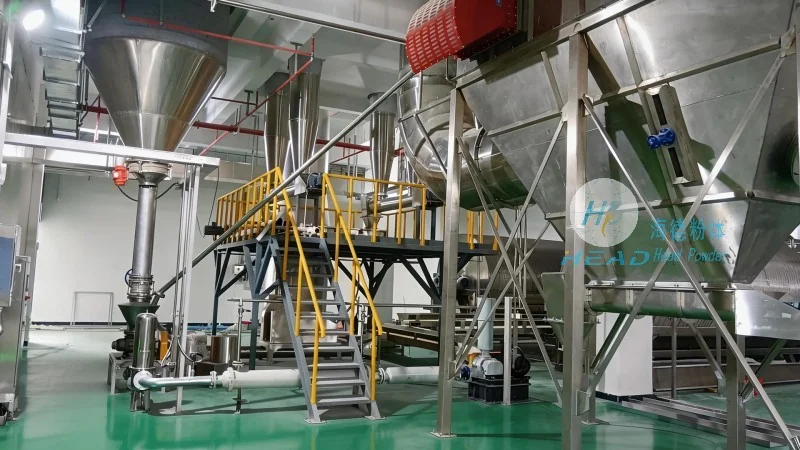
Positive pressure systems, also known as pressure pneumatic conveying, operate by generating high-pressure air that pushes the urea granules through the conveying line. This method is ideal for applications requiring long-distance transport or when the conveying line must traverse obstacles such as vertical lifts or horizontal bends. The high pressure ensures consistent flow rates and prevents material blockages, making it suitable for large-scale industrial operations. Key features of positive pressure systems include robust air compressors, high-pressure pipelines, and efficient separation equipment to maintain granule integrity.
Negative Pressure Conveying Systems
Negative pressure systems, or vacuum pneumatic conveying, utilize a vacuum to draw urea granules into the conveying line. This approach is often preferred for shorter distances or when the conveying line needs to be installed in a confined space, as it reduces the risk of dust emissions and simplifies installation. Negative pressure systems are particularly effective for handling fine or dusty materials, as the vacuum helps to control particle dispersion. However, they may require more frequent maintenance due to the higher wear on components from the continuous suction process.
Key Features of Urea Granule Pneumatic Conveying
Beyond the basic types, modern urea granule pneumatic conveying systems offer several advanced features that enhance performance and reliability. These include:
Customizable Conveying Capacity
HeadPowder provides systems with adjustable conveying capacities, allowing businesses to scale operations according to production demands. Whether handling small batches or large volumes, the systems can be configured to maintain optimal flow rates, minimizing downtime and maximizing throughput.
Energy Efficiency
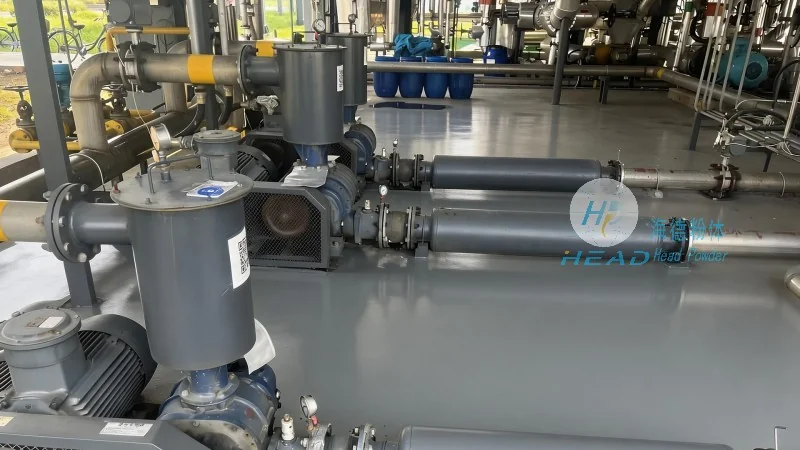
Advanced air compressors and optimized pipeline designs contribute to energy efficiency in pneumatic conveying systems. By reducing energy consumption, these systems lower operational costs and align with sustainability goals. HeadPowder’s systems incorporate energy-saving technologies, such as variable frequency drives (VFDs), which adjust air pressure and flow based on real-time demand.
Low Maintenance Requirements
The design of modern pneumatic conveying systems minimizes wear and tear on components, resulting in lower maintenance costs and extended equipment lifespan. High-quality materials and robust construction ensure that the systems can withstand the abrasive nature of urea granules, reducing the need for frequent repairs.
Environmental Compliance
Urea granule pneumatic conveying systems are designed to meet environmental regulations by minimizing dust emissions and controlling air quality. Advanced filtration systems and sealed conveying lines prevent particle leakage, ensuring compliance with local and international standards. This feature is particularly important for operations in urban or residential areas where air quality is a concern.
Applications and Industries
The versatility of urea granule pneumatic conveying makes it suitable for a wide range of applications across various industries. The primary use is in the fertilizer industry, where it is used to transport urea granules from production plants to storage facilities or for shipping to agricultural markets. This method is also employed in chemical manufacturing, pharmaceuticals, and food processing industries, where the need to handle granular materials efficiently is critical.
Fertilizer Production and Distribution
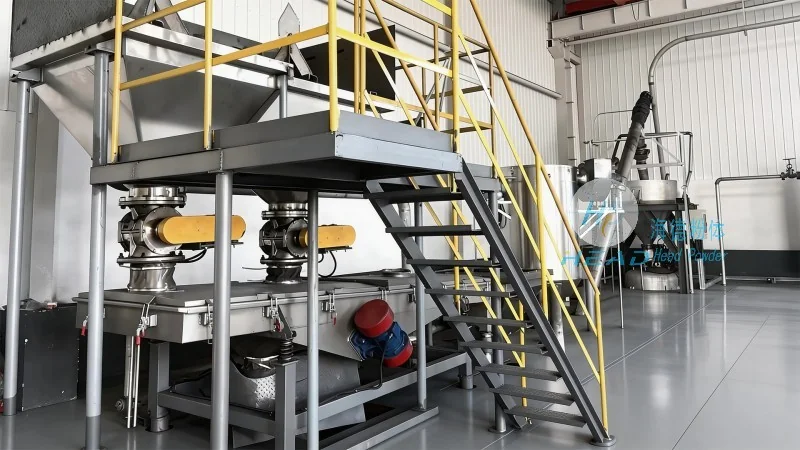
In the fertilizer sector, urea granule pneumatic conveying is essential for moving large quantities of urea from the granulation process to storage facilities or for shipping to agricultural markets. The systems are designed to handle the high volume and abrasive nature of urea granules, ensuring consistent and reliable transport. HeadPowder’s solutions have been successfully implemented in numerous fertilizer plants worldwide, improving operational efficiency and reducing material losses.
Chemical Processing
Chemical manufacturers use pneumatic conveying systems to transport urea granules as raw materials for the production of other chemicals, such as urea-based fertilizers or industrial chemicals. The systems enable precise control over material flow, which is crucial for maintaining product quality and consistency. Additionally, the ability to handle fine or dusty materials makes these systems suitable for applications where dust control is a priority.
Pharmaceutical and Food Industries
While less common, urea granule pneumatic conveying is also used in the pharmaceutical and food industries for handling urea as a raw material or as a component in certain formulations. The systems are designed to meet stringent hygiene and safety standards, ensuring that the material is transported without contamination or cross-contamination. This is particularly important in industries where product purity is non-negotiable.