

Types, Characteristics, and Application Ranges of Styrene Pneumatic Conveying
Styrene, a widely used monomer in the polymer industry, often requires efficient and reliable material handling solutions for its transportation. Pneumatic conveying systems have emerged as a preferred method for moving styrene due to their ability to handle the material safely and effectively. This article explores the different types of styrene pneumatic conveying systems, their key characteristics, and the various applications where they are utilized.
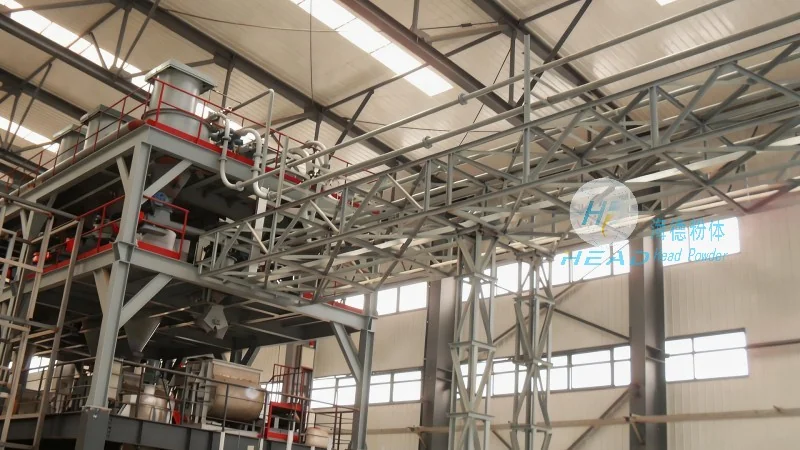
Introduction to Styrene Pneumatic Conveying
Styrene is a volatile liquid that can be transported using pneumatic systems, which utilize air or gas to move the material through pipelines. The choice of pneumatic conveying system depends on factors such as the material's properties, the distance to be conveyed, and the required throughput. There are primarily three types of pneumatic conveying systems: suction (or vacuum) systems, pressure systems, and mixed systems. Each type has distinct advantages and is suitable for different operational conditions.
Types of Styrene Pneumatic Conveying Systems
Suction (Vacuum) Pneumatic Conveying
Suction systems operate by creating a negative pressure at the inlet, drawing the material into the system. These systems are ideal for applications where the material needs to be collected from multiple sources or over a long distance. The key characteristic of suction systems is their ability to handle material from a wide range of locations without the need for a separate feed hopper. They are commonly used in industries where the material is produced in various points and needs to be consolidated into a central processing unit. The system typically includes a vacuum pump, a filter, and a receiver tank. The material is drawn into the pipeline by the vacuum created by the pump, and the air is separated from the material in the receiver tank. This type of system is particularly effective for handling styrene because it can maintain a consistent flow rate and minimize material degradation.
Pressure Pneumatic Conveying
Pressure systems work by compressing air and forcing it through the pipeline, pushing the material forward. These systems are suitable for short to medium distances and high throughput applications. The main advantage of pressure systems is their ability to handle larger quantities of material with higher pressure differentials. They are often used in industrial settings where the material is produced in a central location and needs to be distributed to multiple destinations. The system consists of a blower, a feed hopper, and a pipeline network. The material is fed into the pipeline under pressure, and the air is introduced at the discharge end to assist in the material's movement. Pressure systems are efficient for styrene transportation as they can maintain a stable flow and reduce the risk of material clogging in the pipeline.
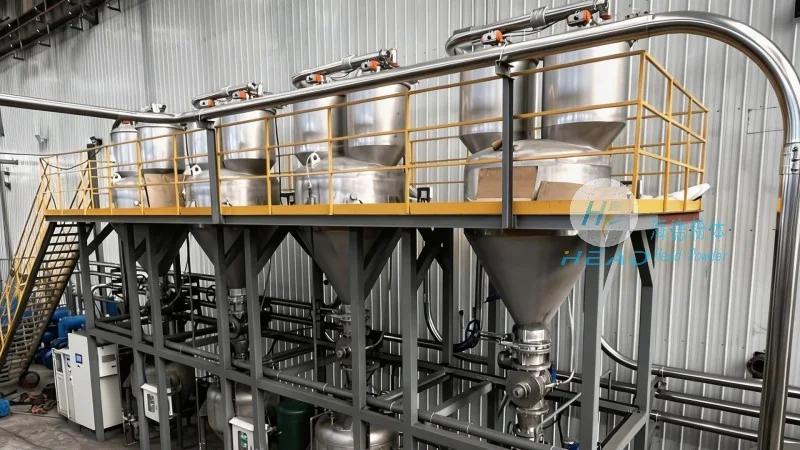
Mixed (Pressure-Vacuum) Pneumatic Conveying
Mixed systems combine elements of both suction and pressure systems, offering flexibility in material handling. These systems are used when the material needs to be transported over long distances with varying elevations and multiple transfer points. The mixed system can operate in both suction and pressure modes depending on the operational requirements. This versatility makes them suitable for complex industrial processes where the material flow needs to be adjusted dynamically. The system includes a combination of vacuum and pressure components, allowing for efficient material movement in both directions. For styrene, mixed systems provide the best of both worlds, enabling safe and reliable transportation across diverse operational scenarios.
Key Characteristics of Styrene Pneumatic Conveying
Regardless of the system type, styrene pneumatic conveying systems share several key characteristics that contribute to their effectiveness. One of the primary characteristics is the ability to handle the material in a closed system, which minimizes exposure to air and reduces the risk of contamination or degradation. The closed pipeline design also helps in controlling dust and fumes, ensuring a safer working environment. Another important characteristic is the system's ability to maintain a consistent flow rate, which is crucial for maintaining the quality of the final product. The use of appropriate materials for the pipeline and components, such as stainless steel or specialized coatings, ensures that the system can withstand the corrosive nature of styrene and prevent material buildup.
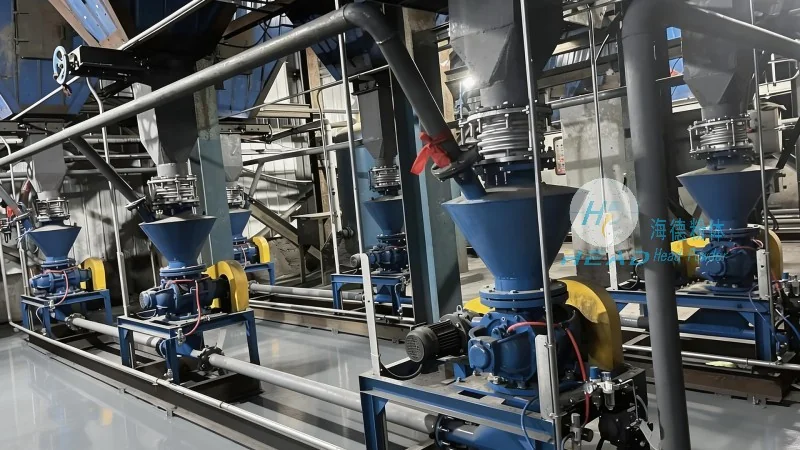
Application Ranges of Styrene Pneumatic Conveying
Styrene pneumatic conveying systems find applications in various industries where styrene is used as a raw material. The most common application is in the production of polystyrene, a widely used plastic. The systems are used to transport styrene from storage tanks to the polymerization reactors, ensuring a continuous and uninterrupted supply of the monomer. In addition, these systems are used in the petrochemical industry for the handling of other similar monomers and liquids. The systems are also utilized in research and development facilities for laboratory-scale experiments, where precise control over the material flow is essential. The versatility of pneumatic conveying systems makes them suitable for both large-scale industrial production and small-scale laboratory applications.
HeadPowder Engineering's Expertise in Styrene Pneumatic Conveying
Shandong HeadPowder Engineering Co., Ltd., a leading provider of material handling solutions, specializes in designing and manufacturing pneumatic conveying systems tailored to the specific needs of styrene and other similar materials. With years of experience in the industry, HeadPowder has developed a deep understanding of the unique challenges associated with styrene transportation, such as its volatility and potential for clogging. The company's engineers work closely with clients to assess their operational requirements and recommend the most suitable system type. Whether it's a suction, pressure, or mixed system, HeadPowder ensures that the system is designed to meet the highest standards of efficiency, safety, and reliability. The company's commitment to quality is evident in its use of advanced materials and components, which are selected to withstand the corrosive nature of styrene and ensure long-term performance. HeadPowder's expertise in styrene pneumatic conveying has helped numerous clients improve their production processes, reduce material loss, and enhance overall operational efficiency.
Conclusion
In conclusion, styrene pneumatic conveying systems offer a reliable and efficient method for handling styrene in various industrial applications. The different types of systems—suction, pressure, and mixed—each have their own advantages and are suitable for different operational conditions. The key characteristics of these systems, such as closed pipeline design and consistent flow control, contribute to their effectiveness in maintaining product quality and safety. The application ranges of styrene pneumatic conveying span from large-scale industrial production to laboratory-scale experiments, making them a versatile solution for the material handling needs of the styrene industry. With the expertise of companies like Shandong HeadPowder Engineering Co., Ltd., the implementation of these systems has become more accessible and effective, ensuring that styrene can be transported safely and efficiently across various industrial settings.