

What is a Paper Sheet Powder Conveyor? And What Are Its Design Principles?
HeadPowder, a leading manufacturer based in Shandong, China, specializes in advanced powder handling solutions. This article delves into the concept of paper sheet powder conveyors and explores the fundamental design principles that underpin their operation.
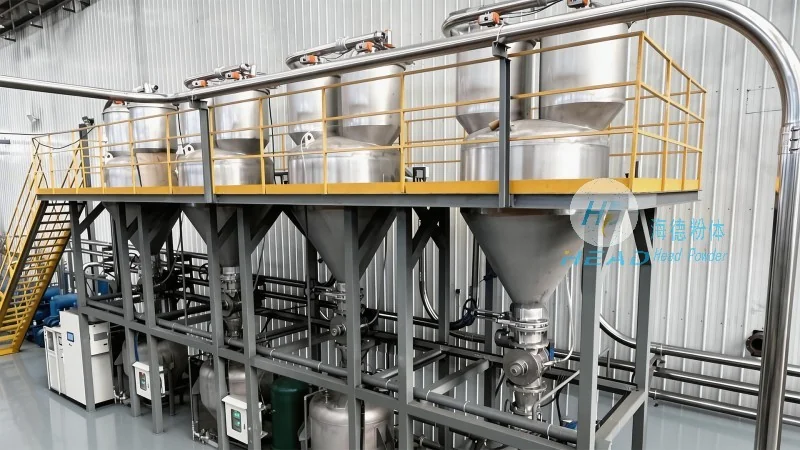
Paper Sheet Powder Conveyors: An Overview
A paper sheet powder conveyor is a specialized industrial equipment designed for the efficient and controlled transportation of dry powders or granules. Unlike traditional bulk material handling systems, these conveyors utilize a flexible, sheet-like conveyor belt to move materials in a manner that minimizes dust generation and ensures precise control over flow rates. The "paper sheet" designation refers to the lightweight, flexible material that forms the conveyor belt, which is particularly effective for handling fine powders, such as pharmaceutical powders, food additives, or chemical granules. This design approach addresses common challenges in powder handling, including material segregation, clogging, and excessive dust exposure.
Key Design Principles of Paper Sheet Powder Conveyors
The design of a paper sheet powder conveyor is built upon several core principles to ensure optimal performance and reliability. First, the conveyor belt material is selected for its low coefficient of friction and resistance to chemical corrosion. This is critical for handling a wide range of powders, as it prevents material buildup on the belt surface and reduces the risk of contamination. The belt is typically made from a non-stick, flexible polymer, such as polyurethane or PVC, which can withstand the mechanical stresses of continuous operation while maintaining its integrity.
Second, the system incorporates a series of rollers or idlers that support the conveyor belt and maintain consistent tension. Proper tension is essential to prevent the belt from sagging or slipping, which could disrupt the flow of the powder and lead to inefficiencies. The rollers are often adjustable, allowing operators to fine-tune the tension based on the load and belt length. This adjustability ensures that the conveyor operates smoothly under varying conditions, such as changes in material type or conveyor length.
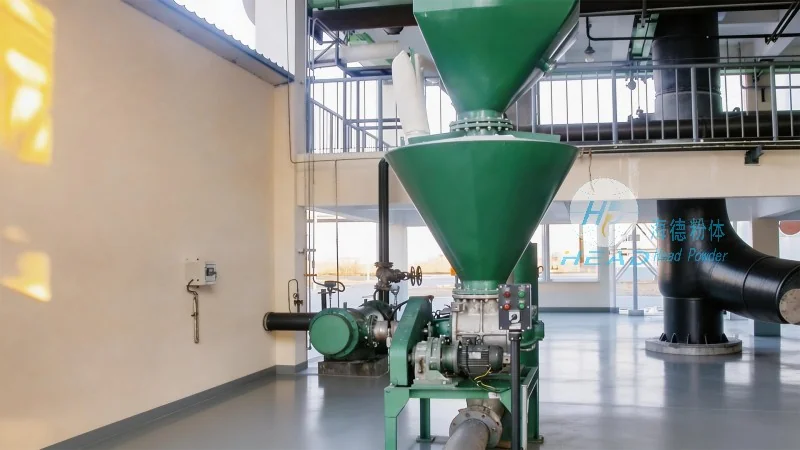
Third, the conveyor features a hopper or feed mechanism at the inlet to collect and feed the powder into the system. The hopper is designed with a sloped bottom to facilitate the smooth discharge of material, reducing the risk of blockages and ensuring a consistent flow. The feed mechanism may include a screw or auger that controls the rate of material input, enabling precise regulation of the conveyor's output. This control is vital for applications where uniform material flow is required, such as in pharmaceutical manufacturing, where dosage accuracy is paramount.
Fourth, the system includes a discharge mechanism at the outlet, which may consist of a chute or a controlled gate. This mechanism ensures that the powder is discharged in a controlled manner, preventing spillage and maintaining a clean working environment. The discharge point is often adjustable, allowing operators to direct the material to the desired location, such as a storage bin or processing unit. This flexibility enhances the overall efficiency of the material handling process.
Fifth, the conveyor is equipped with a drive system that powers the movement of the belt. This system typically includes a motor, a gearbox, and a pulley or chain drive. The drive is designed to provide consistent and adjustable speed, allowing operators to modify the conveyor's capacity based on the specific requirements of the application. For example, in a food processing plant, the conveyor speed can be adjusted to match the production rate, ensuring that the material is transported at the optimal rate without overloading the system.
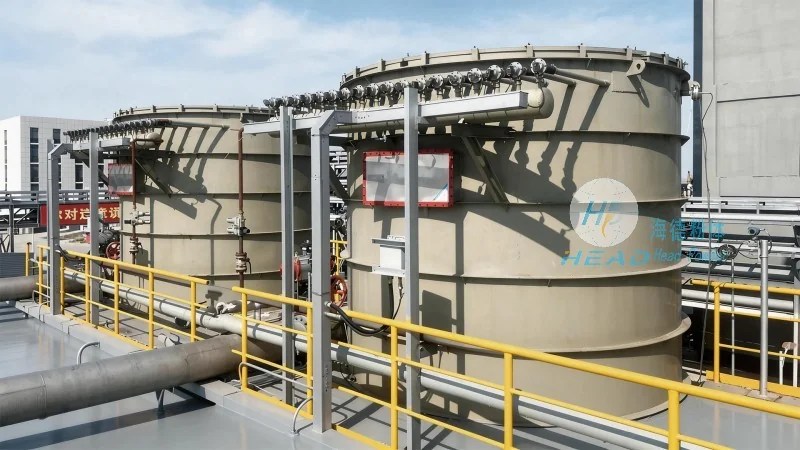
Sixth, the design incorporates features to minimize dust generation and improve safety. The conveyor may include a dust collection system or a sealed enclosure to contain airborne particles, which is particularly important for handling powders that are hazardous or require a clean environment. Additionally, the system is equipped with safety guards and interlocks to prevent accidental contact with moving parts, ensuring compliance with industrial safety standards. These safety features protect both the operators and the environment from potential hazards associated with powder handling.
Maintenance and Operational Considerations
Proper maintenance is essential to ensure the long-term performance and reliability of a paper sheet powder conveyor. Regular inspection of the conveyor belt for signs of wear or damage is crucial, as a worn belt can lead to increased friction and material buildup. The rollers and idlers should also be checked for proper alignment and lubrication to maintain smooth operation. Additionally, the feed and discharge mechanisms should be inspected for any blockages or debris that could impede material flow.
Operational considerations also include the importance of controlling the feed rate and conveyor speed to prevent overloading the system. Overloading can cause the belt to slip or the rollers to fail, leading to downtime and potential damage to the equipment. By monitoring the system's performance and adjusting the operational parameters as needed, operators can ensure that the conveyor operates efficiently and safely.