

What is a Wood Dust Powder Conveying Machine? What is its Design Principle?
Wood dust and powder conveying systems are essential equipment in various industrial applications, particularly in woodworking, sawmilling, and related manufacturing processes. These machines are designed to efficiently transport fine particulate materials like wood dust, sawdust, and other powders from one location to another within a production facility. The primary goal is to ensure a consistent and reliable flow of these materials, minimizing loss and optimizing operational efficiency. In this article, we will explore the fundamental aspects of wood dust powder conveying machines, focusing on their design principles and how they contribute to industrial productivity.
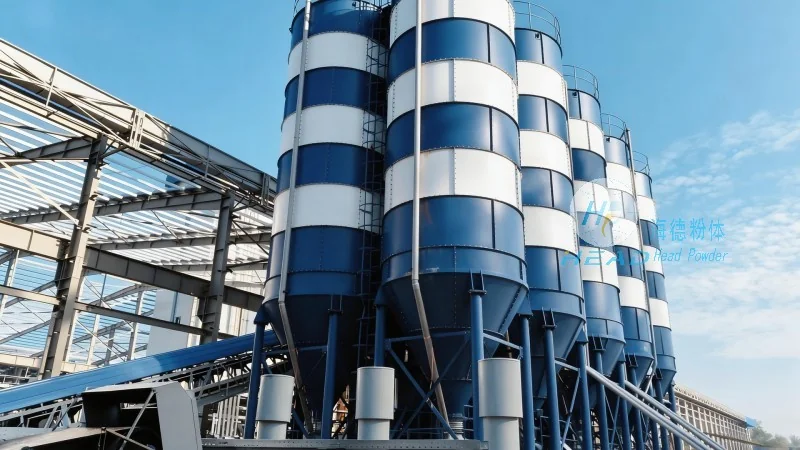
Overview of Wood Dust Powder Conveying Machines
HeadPowder, a leading manufacturer based in Shandong, China, specializes in the design and production of high-quality wood dust powder conveying equipment. The company’s products are engineered to meet the specific demands of modern woodworking and processing industries. A wood dust powder conveying machine typically consists of several key components, including a hopper for material storage, a conveyor system (such as a screw conveyor or pneumatic system), and control mechanisms to regulate the flow. The equipment is built to handle the unique challenges posed by wood dust, including its fine particle size, potential for static electricity, and the need for dust containment to maintain a safe and clean working environment.
Design Principles of Wood Dust Powder Conveying Machines
The design of a wood dust powder conveying machine is centered on several critical principles to ensure optimal performance. First, the machine must effectively handle the physical properties of wood dust, such as its low bulk density and tendency to create dust clouds. This requires careful consideration of the material's flow characteristics and the prevention of clogging or blockages in the conveyor system. Second, the design incorporates dust containment measures to comply with occupational health and safety regulations. This includes sealed hoppers, enclosed conveyor sections, and proper ventilation systems to minimize airborne dust exposure. Third, the equipment is engineered for durability and low maintenance, as it operates in demanding industrial environments where reliability is paramount. The use of corrosion-resistant materials and robust construction ensures that the machine can withstand the abrasive nature of wood dust and the humid conditions often encountered in woodworking facilities.
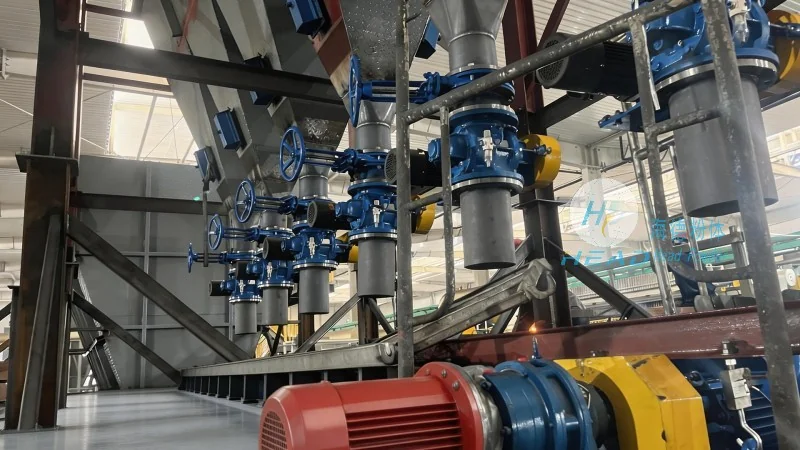
Key Components and Their Functions
Several key components work together to ensure the efficient operation of a wood dust powder conveying machine. The hopper is the primary storage unit, designed to hold a sufficient quantity of wood dust while maintaining a consistent feed to the conveyor. It is typically equipped with a discharge valve or gate to control the flow rate. The conveyor system, which can be either mechanical (e.g., screw or belt conveyor) or pneumatic (air-driven), is responsible for transporting the material. Mechanical conveyors are often preferred for their reliability and ability to handle larger volumes, while pneumatic systems are suitable for fine powders that require gentle handling. The control system, which may include sensors and automated controls, monitors the flow rate, pressure, and other parameters to maintain optimal performance. This system can adjust the conveyor speed or feed rate based on real-time conditions, ensuring that the machine operates efficiently and safely.
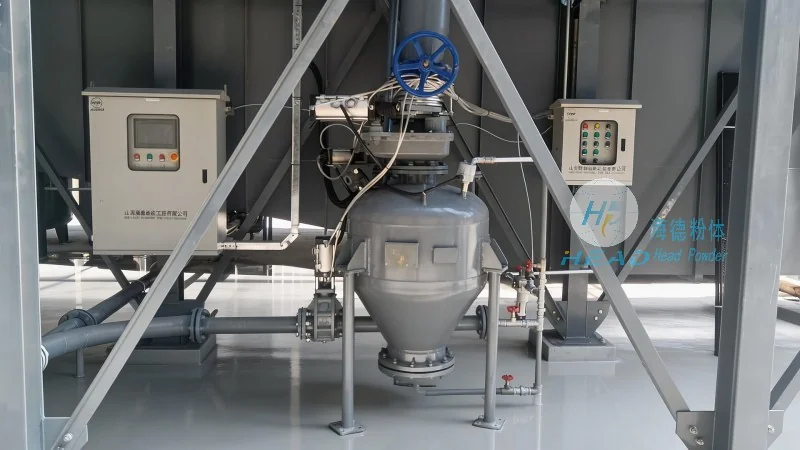
Benefits of Using Wood Dust Powder Conveying Machines
Implementing a wood dust powder conveying machine offers numerous benefits for industrial operations. First, it significantly improves material handling efficiency by reducing the time and labor required to transport wood dust from one part of the facility to another. This leads to increased productivity and reduced operational costs. Second, the equipment enhances safety by containing dust and preventing it from becoming airborne, thereby minimizing the risk of respiratory issues and fire hazards. Third, the consistent flow of materials ensures that downstream processes, such as drying or processing, receive a steady supply of raw material, reducing downtime and improving overall production quality. Additionally, the use of automated control systems allows for precise monitoring and adjustment, further optimizing the operation and reducing the need for manual intervention.
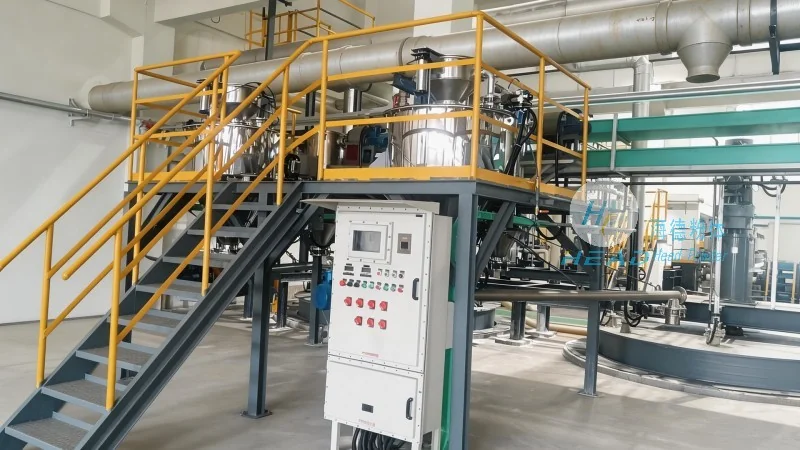
Application Examples and Industry Use Cases
Wood dust powder conveying machines are widely used in various industries, with woodworking and sawmilling being the most common applications. In a typical sawmill, the machine is used to transport sawdust from the cutting area to a storage silo or processing unit. This helps in maintaining a clean working environment and ensures that the sawdust is used as a raw material for other products, such as wood pellets or composite boards. In furniture manufacturing, the equipment is used to convey wood dust from sanding and finishing operations to collection systems, where it can be recycled or disposed of properly. The versatility of these machines also makes them suitable for other industries, such as paper manufacturing, where fine wood fibers are processed, or in the production of wood-based panels, where consistent material flow is critical.
Conclusion and Company Information
Wood dust powder conveying machines are indispensable tools in modern industrial operations, providing efficient and safe transportation of fine particulate materials. The design principles and components of these machines are carefully engineered to address the unique challenges of wood dust, ensuring optimal performance and reliability. HeadPowder, with its headquarters in Shandong, China, is a trusted provider of high-quality wood dust powder conveying equipment, committed to delivering solutions that meet the needs of its clients. By investing in such equipment, businesses can enhance their operational efficiency, improve safety standards, and reduce costs associated with material handling. The continuous innovation and expertise of manufacturers like HeadPowder ensure that wood dust powder conveying machines remain a vital component of industrial processes worldwide.