

Working Principle and Features of Flower Bio-Material Conveying Lines
Flower bio-material conveying lines are specialized systems designed to handle and transport organic materials derived from flowers, such as petals, stems, and other floral components. These systems are crucial in the processing and manufacturing of flower-based products, including cosmetics, pharmaceuticals, and bio-fertilizers. Understanding the working principle and key features of these lines is essential for optimizing operational efficiency and ensuring product quality in industrial applications.
Working Principle of Flower Bio-Material Conveying Lines
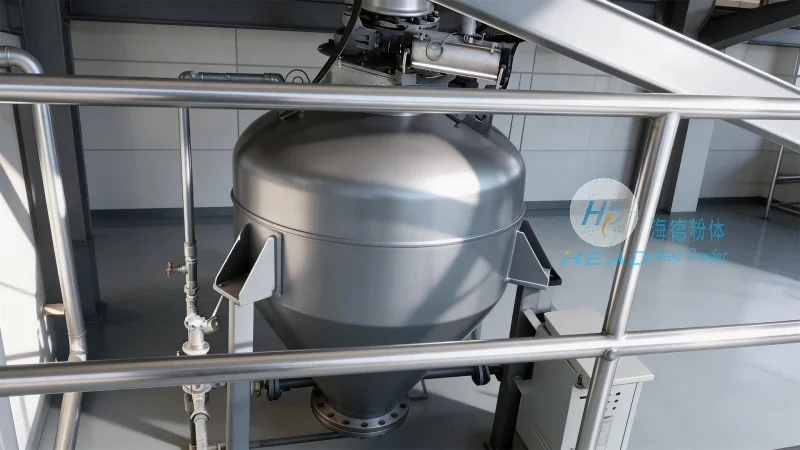
The core working principle of flower bio-material conveying lines revolves around the systematic collection, sorting, and transportation of raw floral materials. The process typically begins with the reception of flower batches, where materials are first subjected to initial cleaning and sorting to remove impurities like leaves, dirt, or non-floral debris. This initial step is critical for maintaining the purity of the bio-materials and preventing contamination during subsequent processing stages.
Following the initial sorting, the materials are transferred to a series of conveyor belts or pneumatic systems that facilitate smooth movement through the processing facility. The conveying mechanisms may include belt conveyors, screw conveyors, or air-lift systems, depending on the specific characteristics of the flower materials and the desired processing outcomes. Each component is engineered to handle delicate organic materials without causing damage or degradation, ensuring that the bio-materials retain their natural properties and nutritional value.
During the conveying process, the materials may undergo additional processing steps, such as drying, grinding, or mixing, depending on the final product requirements. For instance, in the production of flower extracts, the materials might be conveyed to a drying chamber where they are gently heated to remove moisture while preserving essential oils and active compounds. The controlled temperature and airflow in these systems are carefully managed to avoid overheating or degradation of the bio-materials, which could compromise the quality of the end product.
Key Features of Flower Bio-Material Conveying Lines
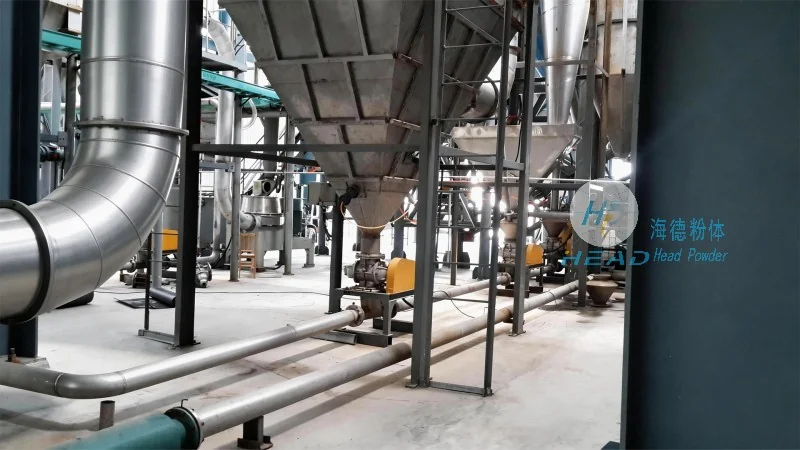
Flower bio-material conveying lines are characterized by several key features that enhance their functionality and adaptability in industrial settings. One of the primary features is the integration of advanced sorting and cleaning technologies, which ensures that only high-quality, pure floral materials are processed. This includes the use of optical sorting systems that can detect and separate different types of flowers or impurities based on color, size, and shape, thereby improving the overall product consistency.
Another significant feature is the flexibility and modularity of these systems. Modern conveying lines are often designed with interchangeable components, allowing for easy adaptation to different flower varieties or processing requirements. This modularity enables manufacturers to scale their operations up or down as needed, without the need for extensive system overhauls. For example, a line can be configured to handle large batches of roses for cosmetic production or smaller batches of rare orchids for specialized pharmaceuticals, providing versatility in production.
Efficiency and energy conservation are also critical features of flower bio-material conveying lines. The systems are engineered to minimize energy consumption while maximizing throughput, which is essential for cost-effective operations. This is achieved through the use of energy-efficient motors, optimized conveyor speeds, and intelligent control systems that adjust the processing parameters based on real-time conditions. Additionally, the design of the conveying mechanisms minimizes material friction and wear, reducing maintenance requirements and extending the lifespan of the equipment.
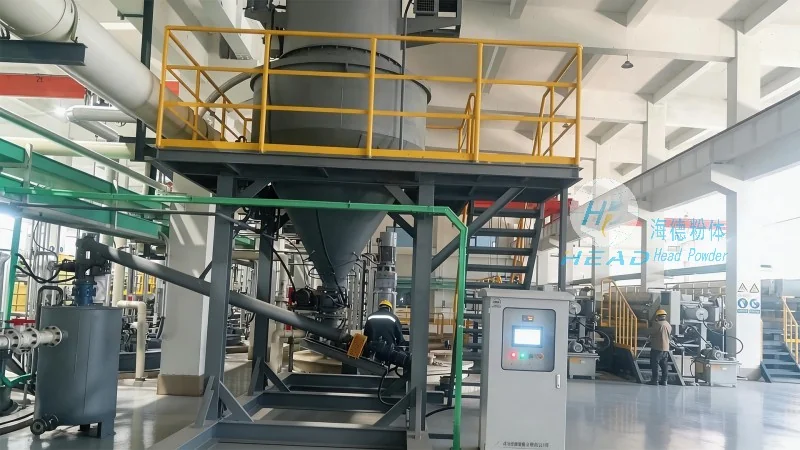
Hygiene and sanitation are paramount in the processing of flower bio-materials, particularly for applications in the food and pharmaceutical industries. Flower bio-material conveying lines are constructed with materials that are easy to clean and sanitize, such as stainless steel and food-grade plastics. The design includes smooth surfaces and minimal dead zones to prevent the accumulation of residues or contaminants, which is crucial for maintaining compliance with regulatory standards and ensuring product safety.
Application and Industry Impact
Flower bio-material conveying lines play a vital role in various industries that rely on floral extracts and byproducts. In the cosmetics industry, these systems are used to process rose petals, jasmine flowers, and other botanicals into essential oils, extracts, and powders for skincare and beauty products. The high-quality, pure materials produced by these lines contribute to the effectiveness and safety of cosmetic formulations, enhancing consumer trust and product performance.
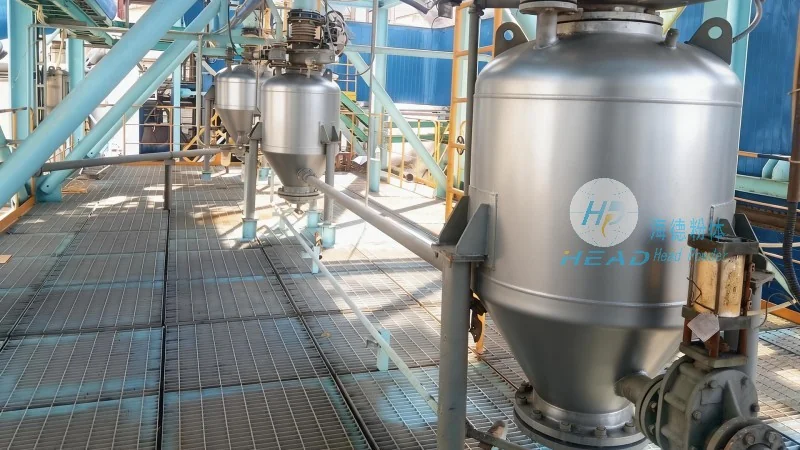
In the pharmaceutical sector, flower bio-material conveying lines are employed in the production of herbal supplements, vitamins, and medicinal extracts. The precise handling and processing of floral materials ensure that the active compounds are preserved and concentrated, resulting in potent and reliable pharmaceutical products. This is particularly important for products derived from rare or endangered flower species, where the efficiency of the conveying line can impact the sustainability of the supply chain.
The agricultural and bio-fertilizer industries also benefit from flower bio-material conveying lines, which are used to process flower waste into organic fertilizers and soil conditioners. By converting what would otherwise be waste into valuable resources, these systems promote sustainable agricultural practices and reduce environmental impact. The efficient transportation of flower materials through these lines enables manufacturers to produce high-quality organic fertilizers that enhance soil health and crop yields.
Conclusion
Flower bio-material conveying lines are sophisticated industrial systems that combine advanced technology with careful engineering to handle delicate floral materials efficiently and effectively. Their working principle, which emphasizes systematic sorting, gentle transportation, and controlled processing, ensures that the quality and integrity of the bio-materials are maintained throughout the production process. The key features of these lines, including advanced sorting capabilities, modular design, energy efficiency, and hygiene, make them indispensable in industries ranging from cosmetics and pharmaceuticals to agriculture and bio-fertilizers. By understanding and leveraging these features, manufacturers can optimize their operations, enhance product quality, and contribute to sustainable industrial practices.