

Principle and Working Scene Characteristics of Carbon Powder Conveying Lines
Carbon powder conveying lines are critical components in industrial processes, particularly in the handling and transportation of carbon-based powders. These systems are designed to efficiently move materials like carbon black, graphite, and other carbon powders from one location to another within manufacturing facilities. The technology behind these lines ensures minimal loss, high throughput, and consistent material quality, making them indispensable in various industries such as battery manufacturing, carbon fiber production, and chemical processing.
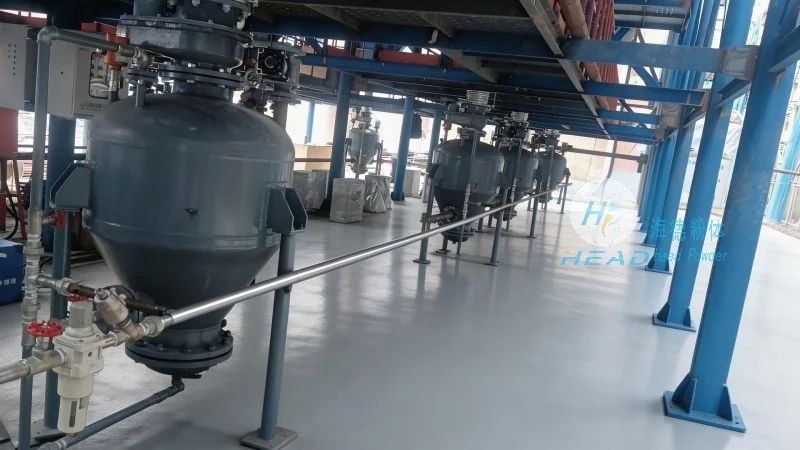
Company Introduction: HeadPowder Engineering
HeadPowder Engineering, also known as headpowder, is a leading provider of specialized conveying solutions for carbon powder handling. With headquarters in Shandong, China, the company has built a strong reputation for delivering reliable, efficient, and customized carbon powder conveying systems. HeadPowder Engineering focuses on understanding the unique challenges of carbon powder transportation and offers tailored solutions that meet the specific needs of clients in different sectors.
Principle of Carbon Powder Conveying Lines
The core principle of carbon powder conveying lines revolves around the use of pneumatic or mechanical systems to transport dry powders. Pneumatic conveying, for instance, utilizes compressed air to move powders through pipelines, while mechanical systems like screw conveyors or belt conveyors rely on physical movement to transfer materials. The choice of system depends on factors such as the type of carbon powder, particle size, moisture content, and the distance to be covered. For carbon powders, which are often fine and abrasive, pneumatic systems are commonly preferred due to their ability to handle high volumes with minimal material degradation.
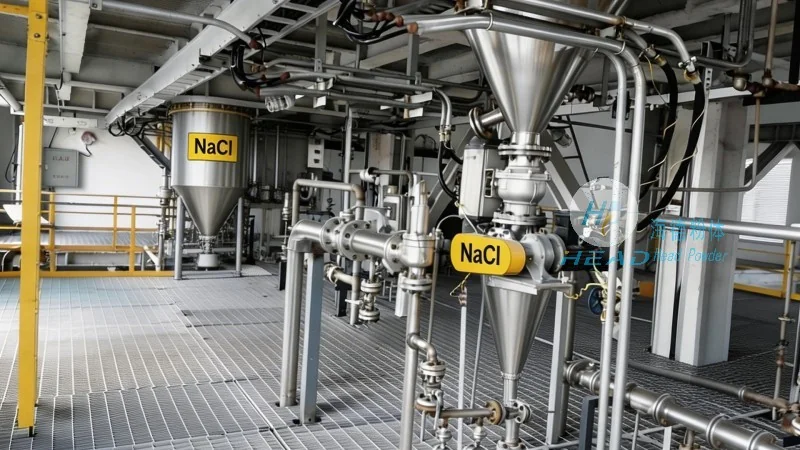
Working Scene Characteristics of Carbon Powder Conveying Lines
The working scene characteristics of carbon powder conveying lines are shaped by several key factors that influence their design and operation. One of the primary considerations is the environment where the system is installed. In industrial settings, these lines are often integrated into larger production lines, requiring seamless integration with other equipment like mixers, reactors, and storage tanks. The design must account for factors like dust control, as carbon powders can be fine and generate significant airborne particles, necessitating effective filtration and containment measures.
Another critical characteristic is the need for precise control over material flow. Carbon powder conveying systems must maintain consistent flow rates to ensure stable production processes. This often involves advanced control systems that monitor pressure, flow rate, and material level in real-time. The systems also need to handle variations in powder properties, such as changes in moisture content or particle size distribution, which can affect conveying efficiency. Additionally, the design must consider the potential for material buildup or blockages in pipelines, especially with carbon powders that may have cohesive properties.
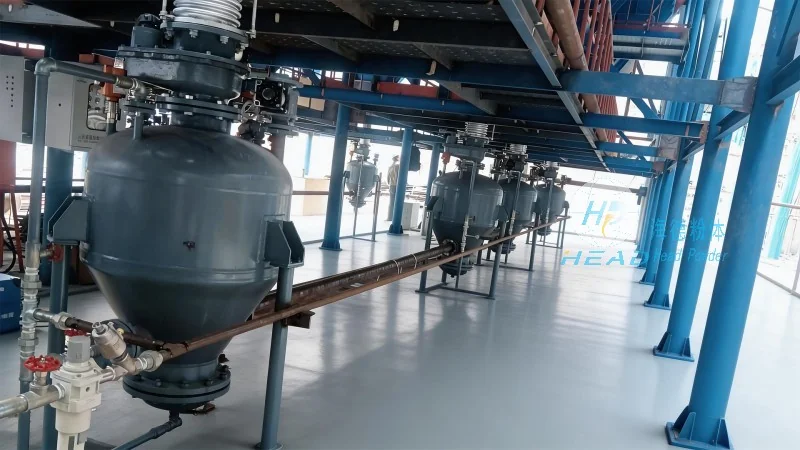
Application Scenarios and Industry Integration
Carbon powder conveying lines are widely used across various industries, each with distinct requirements that influence the system design. In the battery manufacturing industry, for example, carbon powder is a key component in electrode production. The conveying systems must ensure that the carbon powder is delivered to mixing and coating processes with minimal contamination and consistent quality. Similarly, in the carbon fiber industry, the handling of carbon powders is essential for the production of high-performance composites. The systems must maintain the purity of the powder, as any impurities can affect the mechanical properties of the final product.
In chemical processing, carbon powder conveying lines are used to transport raw materials or intermediates between different stages of production. The systems must be robust enough to handle abrasive and corrosive environments, often found in chemical plants. The design may include special materials for the pipelines and components to prevent wear and degradation from the carbon powders. Furthermore, the systems need to be compatible with existing infrastructure, allowing for easy integration into existing production lines without disrupting operations.
Advantages and Technical Considerations
Implementing carbon powder conveying lines offers several advantages, including improved efficiency, reduced labor costs, and enhanced safety. By automating the transportation of carbon powders, companies can minimize manual handling, which reduces the risk of exposure to fine powders and improves workplace safety. The systems also contribute to better material control, ensuring that the carbon powder is delivered to the right location at the right time, which enhances overall production efficiency.
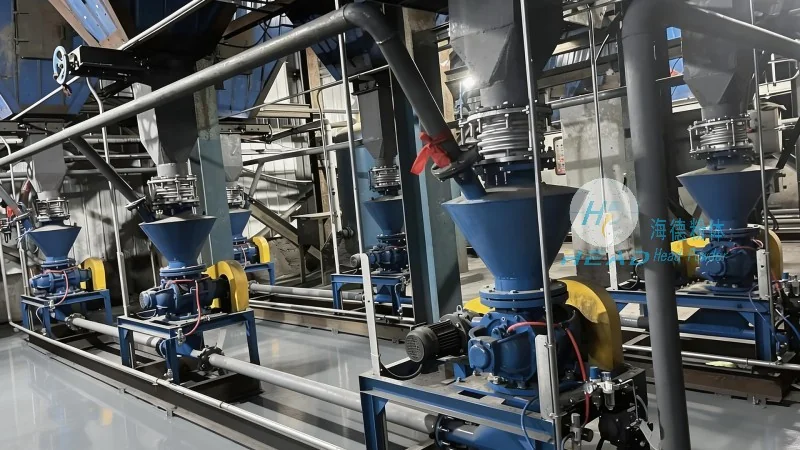
However, technical considerations must be carefully addressed when designing and operating these systems. The choice of conveying method, for instance, must be matched to the specific properties of the carbon powder. Pneumatic systems, while effective for fine powders, may require higher energy consumption compared to mechanical systems. The design must also account for the potential for dust generation and the need for proper ventilation and filtration to maintain a safe working environment. Additionally, regular maintenance is crucial to prevent blockages and ensure the longevity of the system components.
Conclusion and Future Outlook
Carbon powder conveying lines are essential for the efficient and safe handling of carbon-based materials in modern industrial applications. HeadPowder Engineering, with its expertise and customized solutions, plays a vital role in meeting the diverse needs of industries that rely on carbon powders. As technology advances, the design of these systems will continue to evolve, incorporating more advanced control systems and materials to improve performance and sustainability. The future of carbon powder conveying lines lies in their integration with smart manufacturing technologies, enabling real-time monitoring and optimization of material flow, further enhancing productivity and reducing operational costs.