

Principle and Working Scene Characteristics of Coal and Coke Powder Conveying Lines
Coal and coke powder conveying lines are critical components in industrial processes, particularly within the steel and coking industries. These systems are designed to transport fine powders such as coal, coke, and other similar materials efficiently and safely. Understanding the underlying principles and the diverse working scenarios where these lines are applied is essential for optimizing industrial operations and ensuring operational reliability.
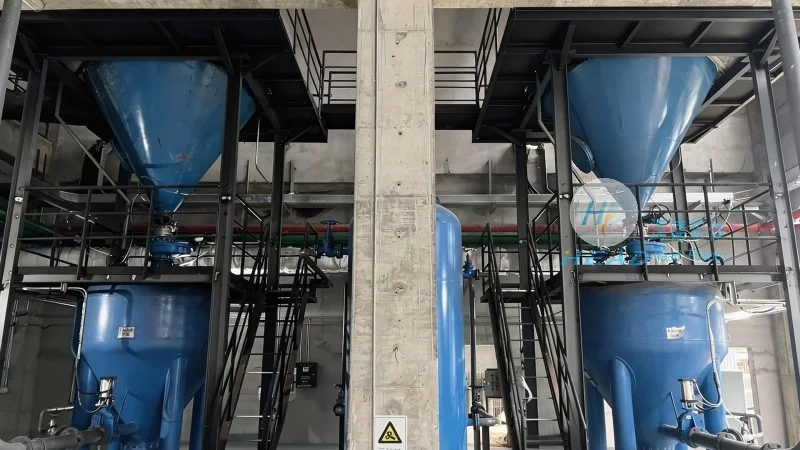
Principle of Coal and Coke Powder Conveying Lines
The core principle of coal and coke powder conveying lines revolves around the efficient movement of fine particulate materials from one location to another. There are primarily two main categories of conveying systems: pneumatic (air-assisted) and mechanical (belt or screw) systems. Pneumatic conveying systems utilize air pressure to transport powders through pipelines, while mechanical systems rely on physical mechanisms like belts or screws to move the material. For coal and coke powders, which are often abrasive and have specific flow characteristics, the choice of system depends on factors such as material properties, distance, and required throughput.
In pneumatic conveying, the material is typically mixed with air in a hopper or feeder, and then transported through a pipeline under pressure. This method is particularly effective for long-distance or high-volume transport, as it can handle large quantities of material with minimal maintenance. Mechanical conveying, on the other hand, is often used for shorter distances or when the material requires less aggressive handling. It involves the use of conveyor belts, screw conveyors, or bucket elevators to move the powder. Both systems are engineered to handle the unique challenges posed by coal and coke powders, including their tendency to agglomerate or create dust, which can affect system performance and safety.
Working Scene Characteristics of Coal and Coke Powder Conveying Lines
The working scene characteristics of coal and coke powder conveying lines vary significantly based on the specific industrial application. In steel plants, for example, these lines are used to transport coal to blast furnaces for fuel and reducing agents. The high temperatures and abrasive nature of the material in blast furnaces necessitate robust conveying systems that can withstand harsh conditions. Similarly, in coking plants, the lines are used to transport coke from the coking ovens to storage or further processing units. The coking process involves high temperatures and the production of volatile gases, which means the conveying systems must be designed to handle these conditions without compromising safety or efficiency.
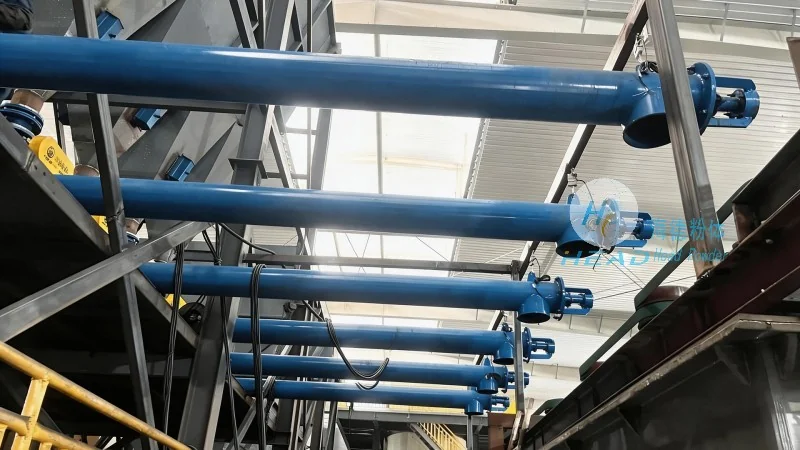
Another key working scene is in power generation facilities, where coal is used as a fuel source. The conveying lines in these plants are responsible for transporting coal from storage silos to the boilers. The high throughput requirements in power plants mean that the systems must be capable of handling large volumes of material continuously. Additionally, the need for dust control is critical in power generation, as coal dust can be a health hazard and can affect the performance of downstream equipment. Therefore, the conveying systems are often equipped with dust suppression mechanisms, such as cyclone separators or bag filters, to ensure safe and efficient operation.
In industrial applications beyond steel and power, coal and coke powder conveying lines are also used in chemical and cement production. For instance, in chemical plants, these lines may be used to transport raw materials like coal or coke to reactors for processing. The chemical processes involved often require precise control over the material flow, which is achieved through the use of automated control systems integrated into the conveying lines. Similarly, in cement production, the lines are used to transport coal to the kilns, where it is burned to provide the necessary heat for cement production. The high temperatures in cement kilns mean that the conveying systems must be designed to withstand thermal stress and maintain their structural integrity over long periods.
Key Features and Advantages of Coal and Coke Powder Conveying Lines
Coal and coke powder conveying lines offer several key features and advantages that make them indispensable in industrial settings. One of the primary advantages is their ability to handle abrasive materials without significant wear and tear. The materials used in the construction of these lines, such as high-strength steel or specialized alloys, are designed to resist the abrasive effects of coal and coke powders, ensuring long service life and low maintenance costs. Another advantage is the high efficiency in material transport, with pneumatic systems capable of moving large volumes of material over long distances with minimal energy consumption compared to traditional methods like truck or rail transport.
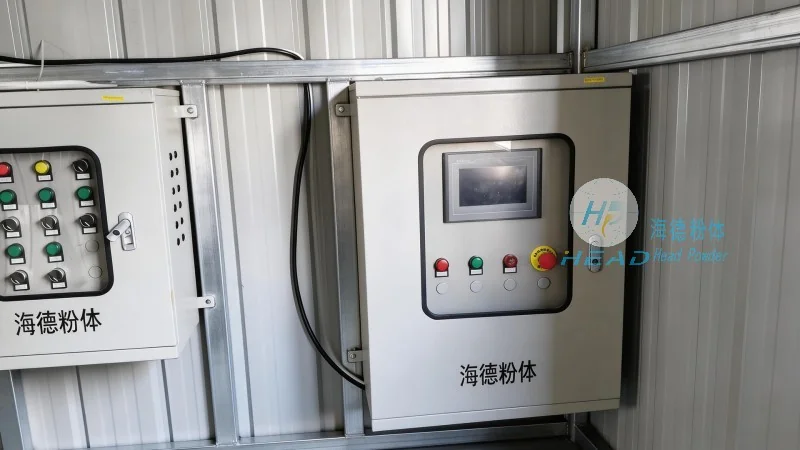
The systems also offer flexibility in terms of layout and integration with other industrial equipment. They can be customized to fit specific plant layouts, and can be integrated with feeders, hoppers, and storage tanks to form a complete material handling system. This integration allows for seamless flow of materials from storage to processing, reducing bottlenecks and improving overall plant efficiency. Additionally, modern conveying lines are equipped with advanced control systems that allow for real-time monitoring and adjustment of the system parameters, ensuring optimal performance and safety.
Conclusion and Company Overview
Coal and coke powder conveying lines are essential for the efficient and safe operation of industrial processes, particularly in the steel, coking, and power generation industries. The principles and working scene characteristics of these systems are tailored to the unique challenges posed by coal and coke powders, ensuring reliable and high-performance material transport. As a leading manufacturer in this field, Shandong HeadPowder Engineering Co., Ltd. specializes in designing and manufacturing high-quality conveying systems that meet the specific needs of industrial clients. With a focus on durability, efficiency, and safety, the company provides comprehensive solutions for coal and coke powder handling, helping industries optimize their operations and achieve their production goals.