

Principle and Working Scene Characteristics of Alumina Powder Conveying Lines
Alumina powder conveying lines are critical components in industrial processes, particularly in sectors that handle fine powders such as aluminum oxide. These systems are designed to transport alumina efficiently and safely, ensuring consistent material flow and minimizing operational risks. The technology behind these lines integrates advanced engineering principles and tailored solutions to meet the specific demands of various industrial applications.
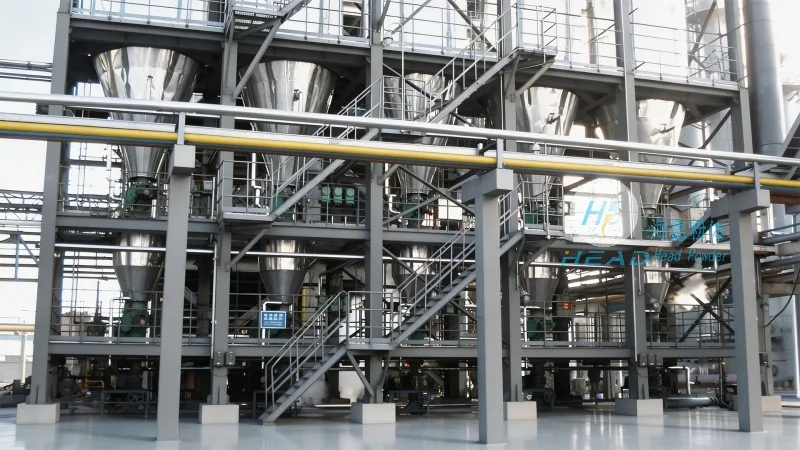
About HeadPowder: A Leading Provider of Conveying Solutions
HeadPowder, a division of Shandong HeadPowder Engineering Co., Ltd., is a reputable company based in Shandong, China. With years of experience in the field, HeadPowder specializes in the design, manufacturing, and installation of high-quality alumina powder conveying systems. The company's commitment to innovation and customer satisfaction has established it as a trusted partner for industries requiring reliable powder handling solutions.
The Principle of Alumina Powder Conveying Lines
Alumina powder conveying lines operate on the principle of material transport through a controlled environment, typically utilizing either pneumatic or mechanical methods. Pneumatic conveying systems use air or other gases to move the powder, while mechanical systems rely on conveyor belts, screw conveyors, or other mechanical components. The choice of method depends on factors such as the particle size, moisture content, and the required conveying distance. For alumina powder, which is often fine and abrasive, pneumatic systems are commonly preferred due to their ability to handle delicate materials without causing degradation or contamination.
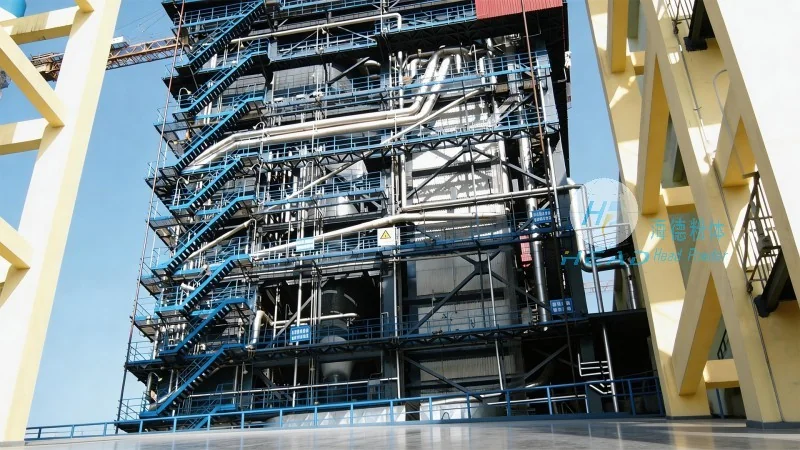
Working Scene Characteristics of Alumina Powder Conveying Lines
The working scene characteristics of alumina powder conveying lines vary significantly based on the industrial application. In chemical plants, these systems are used to transport raw materials to reactors or to move finished products to storage facilities. In metallurgical facilities, they play a crucial role in the processing of aluminum oxide, ensuring a steady supply of material for smelting and refining operations. The systems are also employed in pharmaceutical and food processing industries, where the purity and consistency of the powder are paramount. Key characteristics include high efficiency, low maintenance requirements, and the ability to handle large volumes of material while maintaining product integrity.
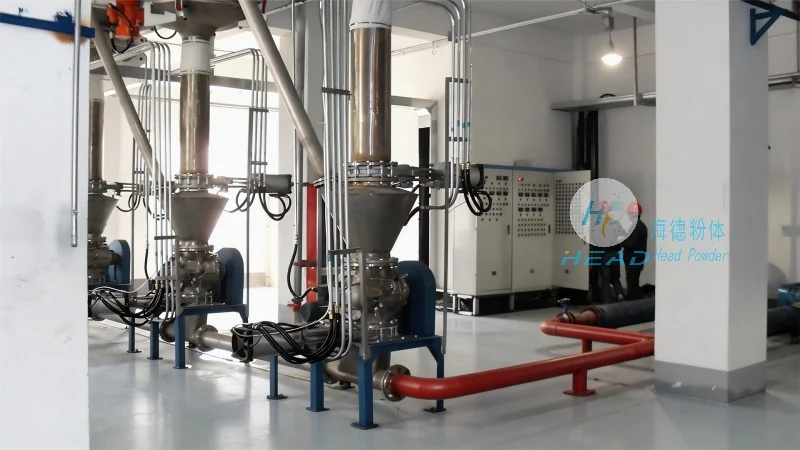
Key Features and Advantages
HeadPowder's alumina powder conveying lines are equipped with several features that enhance their performance and reliability. These include advanced control systems for precise flow regulation, robust construction to withstand the abrasive nature of alumina powder, and integrated cleaning mechanisms to prevent material buildup and contamination. The systems are designed to minimize downtime and maximize operational efficiency, making them ideal for continuous production environments. Additionally, the company offers customized solutions tailored to the specific needs of each client, ensuring that the conveying line meets all operational requirements and regulatory standards.
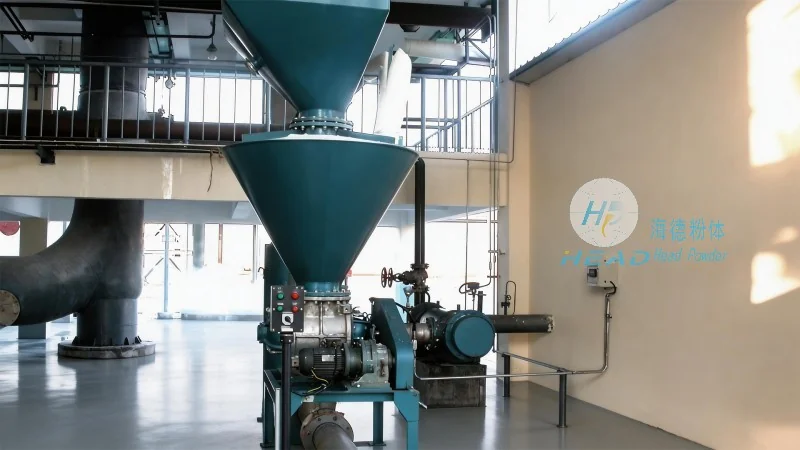
Applications in Industrial Settings
Alumina powder conveying lines are widely used in various industrial settings, each with unique requirements. For example, in the production of aluminum metal, the conveying systems transport alumina from storage to the electrolysis cells, where it is converted into aluminum. In the manufacturing of ceramics and refractory materials, the systems ensure a consistent supply of alumina to the production lines, which is critical for maintaining product quality and consistency. The versatility of these systems allows them to be adapted to different production scales, from small-scale laboratory applications to large-scale industrial operations.
Conclusion
Alumina powder conveying lines are essential for the efficient and safe handling of aluminum oxide in industrial processes. HeadPowder, with its expertise and commitment to quality, provides reliable and customized solutions that meet the diverse needs of various industries. By understanding the principle and working characteristics of these systems, businesses can optimize their material handling processes, improve productivity, and ensure compliance with industry standards.