

Principles and Working Scene Characteristics of Cast Gray Powder Conveying Lines
Cast gray powder conveying lines are critical equipment in the foundry sector, engineered to efficiently transport gray cast iron powders from storage to processing points. The fundamental principle underpinning these systems involves a combination of mechanical components and control mechanisms that ensure reliable, low-dust operation. By understanding the underlying principles and typical working scenarios, users can better appreciate the functionality and benefits of such systems.
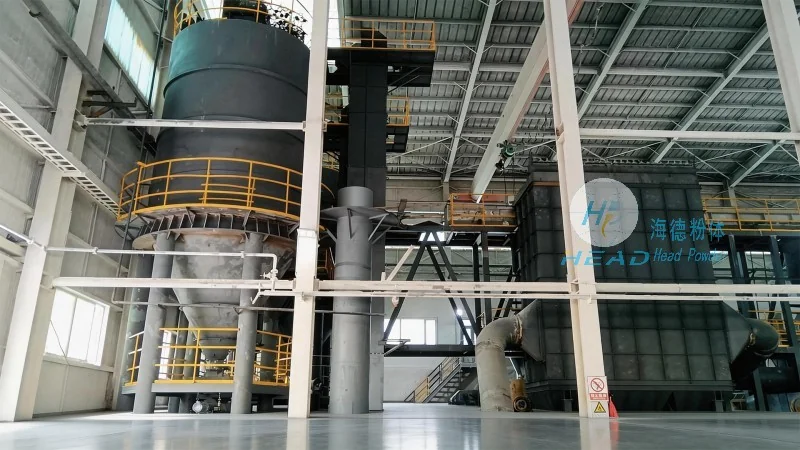
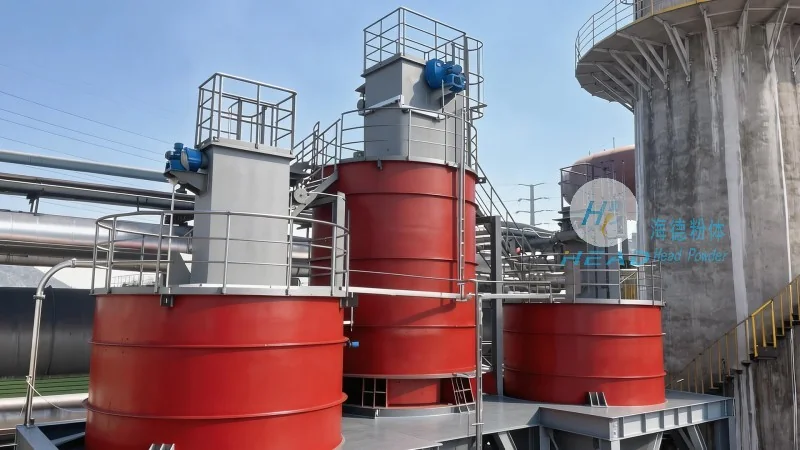
About Shandong HeadPowder Engineering Co., Ltd.
HeadPowder, a leading manufacturer based in Shandong, China, specializes in the design, production, and supply of advanced material handling solutions. With a strong focus on quality and innovation, the company has established itself as a trusted partner for businesses seeking efficient and reliable conveying systems. The company's headquarters and main production facilities are located in Shandong, providing a solid foundation for its operations and customer support.
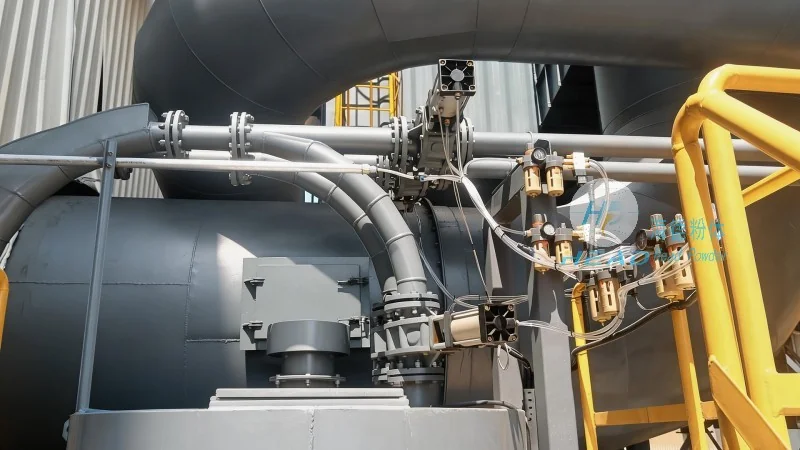
The Working Principle of Cast Gray Powder Conveying Lines
The operation of a cast gray powder conveying line typically involves several key components, including hoppers, feeders, conveying tubes, and control units. The process begins with the powder being stored in a hopper, where it is then fed into a feeder. The feeder regulates the flow rate of the powder, ensuring a consistent and controlled supply to the conveying system. From the feeder, the powder is transported through a series of tubes, often using pneumatic or mechanical methods. Pneumatic conveying systems utilize compressed air to move the powder, while mechanical systems may employ screw conveyors or belt conveyors. The choice of method depends on factors such as the powder's properties, the required conveying distance, and the desired level of dust control. In addition to the conveying components, control units play a crucial role in managing the system's operation. These units monitor parameters like pressure, flow rate, and temperature, and adjust the system's performance as needed to maintain optimal conditions. The integration of these components results in a seamless and efficient process that minimizes downtime and maximizes productivity.
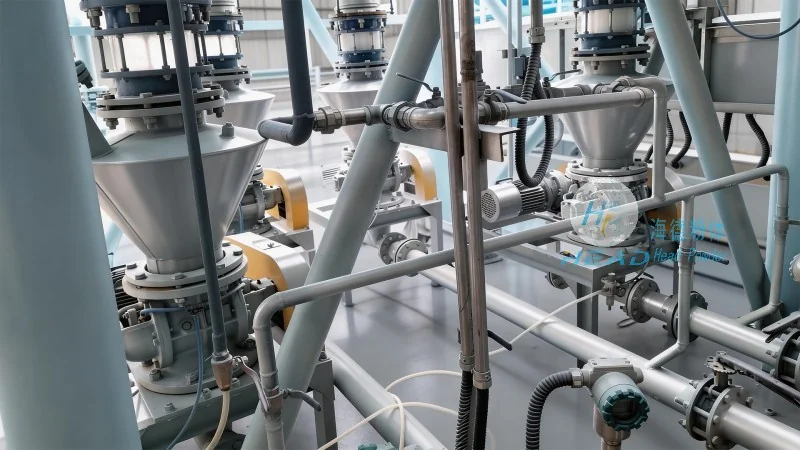
Characteristics of Working Scenarios for Cast Gray Powder Conveying Lines
The working scenarios for cast gray powder conveying lines vary depending on the specific application and industry. In foundries, these systems are commonly used in the production of gray cast iron components, where the powder is used as a raw material. The lines are typically integrated into larger production lines, connecting storage silos to molding or mixing stations. In such scenarios, the primary goal is to ensure a continuous and reliable supply of powder to the production process. The systems are designed to handle the high volumes of powder required in industrial settings, with features like high-capacity hoppers and robust conveying mechanisms. Another common working scenario is in the recycling industry, where cast gray powder is recovered from waste materials and reused. In these cases, the conveying lines are part of a recycling system that includes crushing, screening, and reprocessing equipment. The lines must be capable of handling contaminated or mixed powders, with features like dust collection and filtration to maintain air quality. Additionally, the systems may be used in research and development laboratories, where small-scale testing of powder properties is conducted. In these scenarios, the lines are designed for precision and flexibility, allowing for adjustable flow rates and easy maintenance. Overall, the working scenarios for cast gray powder conveying lines are diverse, reflecting the versatility and adaptability of the technology. Each scenario requires careful consideration of the powder's characteristics and the operational requirements to ensure optimal performance.