

Principles and Application Scenarios of Sweet Potato Powder Conveying Lines
For enterprises engaged in the processing and transportation of sweet potato powder, an efficient and reliable conveying system is crucial. The sweet potato powder conveying line, as a key component in the production workflow, plays a vital role in ensuring the smooth flow of materials from the production site to the storage or packaging stage. This article will delve into the fundamental principles of such systems and explore the typical application scenarios where they are most effectively utilized.
Core Principles of Sweet Potato Powder Conveying Lines
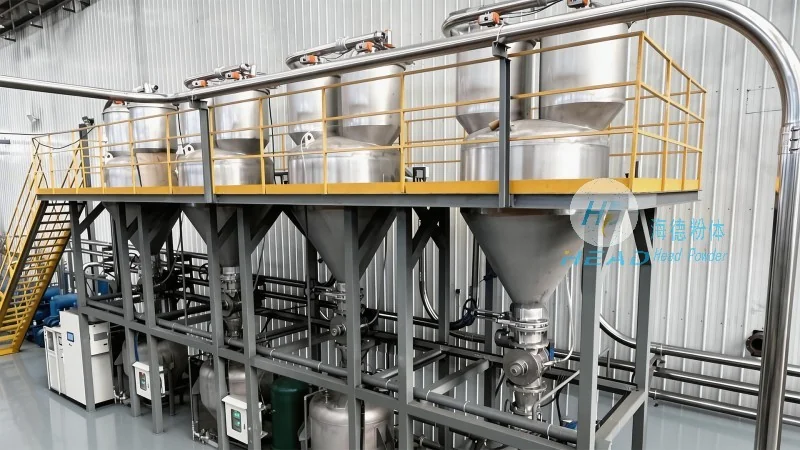
The operation of a sweet potato powder conveying line is based on several core principles that ensure optimal performance and material handling. First, the system utilizes mechanical energy to move powder particles through a network of pipes or ducts. This is typically achieved through the use of positive displacement or pneumatic conveying methods, which are well-suited for handling fine powders like sweet potato powder. The design of the conveying line must consider factors such as particle size, moisture content, and bulk density to prevent issues like caking or blockages. Additionally, the system incorporates control mechanisms to regulate flow rates, pressure, and direction, ensuring consistent and safe operation. The integration of sensors and monitoring systems further enhances the line's efficiency by providing real-time data on material levels and system performance.
Key Components and Their Functions
A typical sweet potato powder conveying line consists of several essential components, each with a specific role in the overall process. The primary components include the material feed hopper, which holds the sweet potato powder and regulates the initial flow; the conveyor itself, which may be a screw conveyor, pneumatic duct, or a combination of both; and the discharge unit, which delivers the powder to the next stage of processing. The feed hopper is equipped with a valve or gate to control the amount of material entering the conveyor, preventing overloading. The conveyor mechanism, whether mechanical or pneumatic, moves the powder along the designated path, maintaining a consistent flow rate. The discharge unit, often a rotary valve or a controlled outlet, ensures that the powder is released in a controlled manner, avoiding spills or uneven distribution. Supporting components like dust collection systems and filtration units are also critical, as they help maintain air quality and prevent powder contamination in the workplace.
Application Scenarios and Operational Advantages
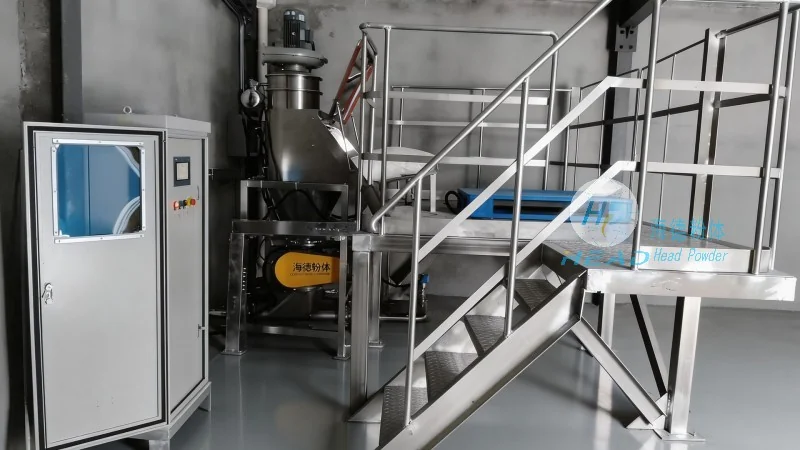
Sweet potato powder conveying lines are widely used in various industrial settings, particularly in food processing, pharmaceuticals, and chemical manufacturing. One common application scenario is in large-scale sweet potato processing plants, where the line efficiently transports freshly processed sweet potato powder from the grinding and drying stages to storage silos or packaging lines. In this context, the conveying line must handle high volumes of material while maintaining low dust levels and preventing product degradation. Another scenario involves the use of the line in pharmaceutical factories, where the strict quality control requirements necessitate a clean and hygienic conveying system. The use of stainless steel components and sealed ducts ensures that the powder remains free from contaminants, meeting regulatory standards. Additionally, in chemical plants, the line may be used to transport sweet potato-derived powders for further processing or blending with other ingredients. The operational advantages of such systems include increased productivity, reduced labor costs, and improved safety by minimizing manual handling of powders. The automated nature of the conveying line also reduces the risk of human error and ensures consistent product quality across batches.
Customization and Integration with Production Systems
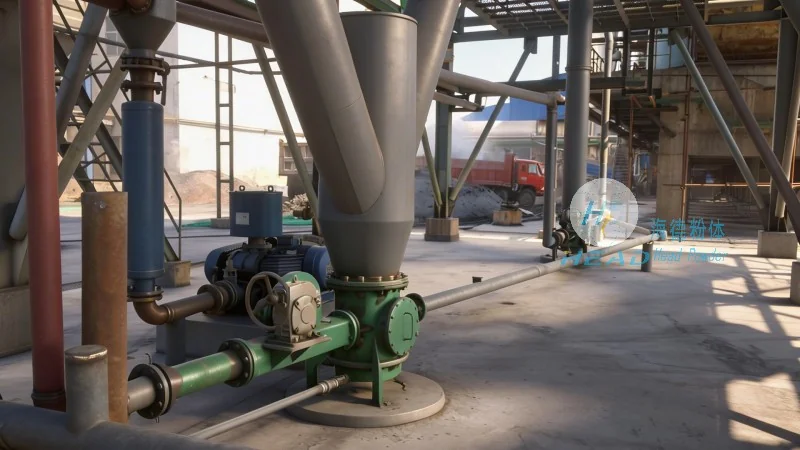
Due to the diverse nature of industrial applications, sweet potato powder conveying lines are often customized to meet specific client requirements. The design of the line can be adjusted based on factors such as the volume of material to be handled, the distance between processing stages, and the available space in the facility. For example, a shorter line with a higher capacity conveyor may be suitable for a small-scale processing plant, while a longer, more complex system with multiple branches may be required for a large-scale operation. The line can also be integrated with other production equipment, such as mixers, blenders, or packaging machines, to form a comprehensive production line. This integration allows for seamless material flow from one stage to the next, minimizing downtime and improving overall efficiency. The customization process involves collaboration between the manufacturer and the client to ensure that the final system meets all operational and safety standards. The manufacturer, such as Shandong HeadPowder Engineering Co., Ltd., provides technical expertise and engineering support to design and implement the most suitable conveying solution for each client's unique needs.
Maintenance and Operational Considerations
Proper maintenance is essential to ensure the long-term performance and reliability of a sweet potato powder conveying line. Regular inspections and cleaning of the conveyor components, such as the screw or ducts, help prevent the buildup of powder and reduce the risk of blockages. The use of lubricants and wear-resistant materials in the conveyor mechanism extends the lifespan of the equipment and maintains optimal performance. Additionally, routine checks of the control systems and sensors ensure that the line operates within the specified parameters. Operational considerations include monitoring the system's energy consumption and adjusting the flow rate to optimize efficiency. The importance of training operators on the proper use and maintenance of the conveying line cannot be overstated, as it helps prevent accidents and ensures the system's longevity. By following a regular maintenance schedule and adhering to operational guidelines, the conveying line can continue to operate efficiently and reliably for years to come.