

Working Principle and Features of Alloy Powder Material Conveying Lines
Alloy powder material conveying lines are essential equipment in various industrial applications, particularly in manufacturing processes that involve the handling and transportation of alloy powders. These systems are designed to efficiently transport alloy powders from one location to another, ensuring precision and reliability in material handling. The following sections will explore the working principle and key features of such conveying lines, providing insights into their functionality and benefits.
Working Principle of Alloy Powder Conveying Lines
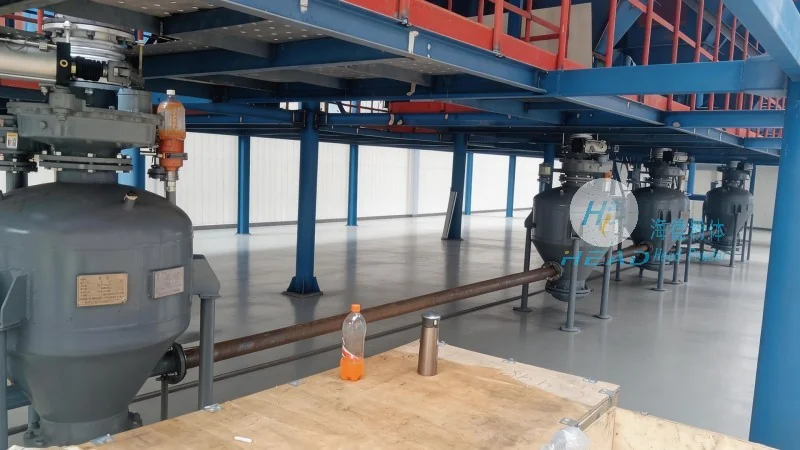
The working principle of alloy powder material conveying lines typically involves a combination of mechanical components and control systems. The primary mechanism often relies on the use of pneumatic or mechanical conveyors, which are engineered to handle the unique properties of alloy powders, such as their fine particle size and potential for static charge. The process generally starts with the loading of alloy powder into a hopper or storage container. From there, the powder is fed into the conveyor system, which may utilize air pressure, vacuum, or mechanical force to move the material through the pipeline. The conveying line may include components like rotary valves, airlocks, and dust collectors to ensure smooth and controlled movement of the powder. Control systems, often integrated with sensors and automation, monitor the flow rate, pressure, and other parameters to maintain optimal operation. This systematic approach ensures that alloy powders are transported safely and efficiently, minimizing material loss and contamination.
Key Features of Alloy Powder Conveying Lines
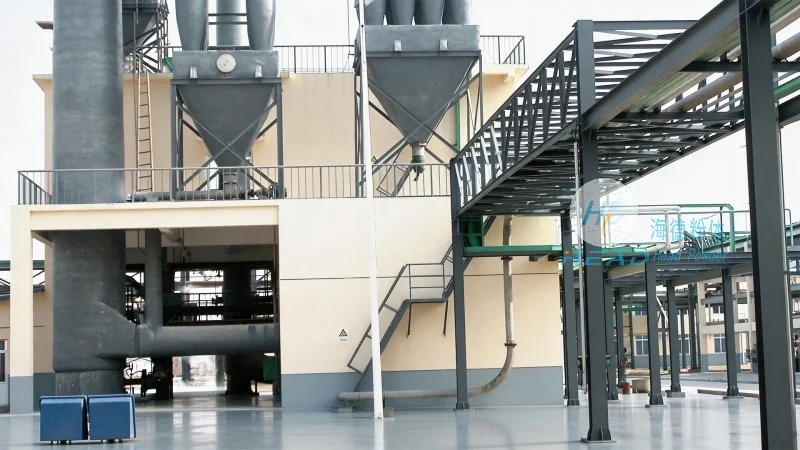
Alloy powder material conveying lines are characterized by several key features that enhance their performance and adaptability. One of the primary features is the ability to handle fine and abrasive alloy powders without causing wear or damage to the equipment. Advanced materials and coatings are used in the construction of conveyor components, such as pipelines, hoppers, and valves, to withstand the corrosive and abrasive nature of alloy powders. Another significant feature is the integration of dust control systems, which are crucial for maintaining a clean and safe working environment. These systems may include filters, cyclones, and dust collectors that capture and remove airborne particles, preventing dust accumulation and ensuring compliance with industrial safety standards. Additionally, alloy powder conveying lines often incorporate automation and control technologies, allowing for precise regulation of flow rates, pressure, and other operational parameters. This automation enhances efficiency and reduces the need for manual intervention, leading to consistent and reliable material handling. The design of these systems also emphasizes flexibility, enabling them to adapt to different production requirements and powder types. Customization options, such as variable speed drives and adjustable conveyor lengths, allow users to tailor the system to their specific needs, ensuring optimal performance in diverse industrial settings.
Applications and Benefits in Industrial Settings
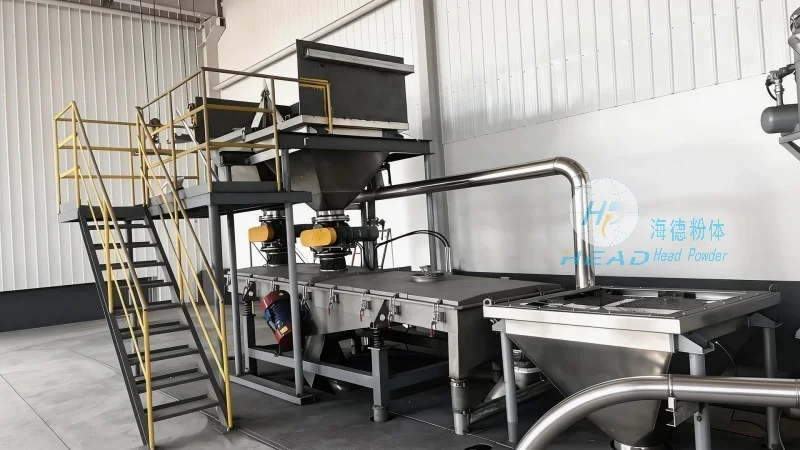
Alloy powder material conveying lines find extensive applications in various industries, including metalworking, aerospace, and automotive manufacturing. In these sectors, the efficient handling of alloy powders is critical for maintaining production quality and minimizing downtime. The benefits of using such conveying lines include improved material handling efficiency, reduced labor costs, and enhanced safety in the workplace. By automating the transportation of alloy powders, these systems help streamline production processes, allowing manufacturers to achieve higher throughput and better product consistency. Furthermore, the ability to handle fine and sensitive powders without degradation ensures that the quality of the final products is maintained. The integration of dust control and safety features also contributes to a healthier work environment, reducing the risk of respiratory issues and other health hazards associated with powder handling. Overall, alloy powder conveying lines play a vital role in modern industrial operations, providing reliable and efficient solutions for material transportation.