

Principles and Working Scene Characteristics of Steel and Lime Powder Conveying Equipment
Steel and lime powder conveying equipment plays a crucial role in industrial processes, particularly in environments where the handling of fine powders is essential. This equipment is designed to efficiently transport materials like steel powder and lime powder, which are commonly used in various manufacturing and processing applications. The technology behind such systems ensures reliable and consistent material movement, minimizing downtime and enhancing overall operational efficiency.
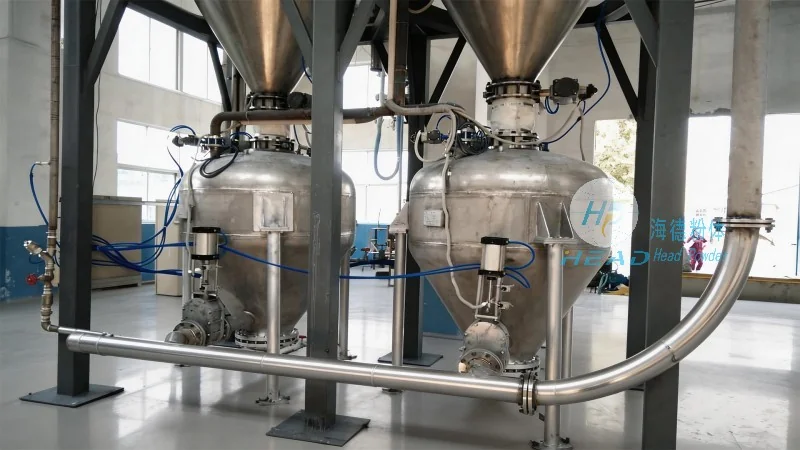
Company Overview: HeadPowder
HeadPowder, formally known as Shandong HeadPowder Engineering Co., Ltd., is a leading manufacturer specializing in powder handling solutions. With a base in Shandong, China, the company has established itself as a trusted provider of advanced conveying equipment tailored to the needs of diverse industrial sectors. HeadPowder's commitment to innovation and quality has positioned it as a key player in the powder processing industry, delivering equipment that meets stringent performance and safety standards.
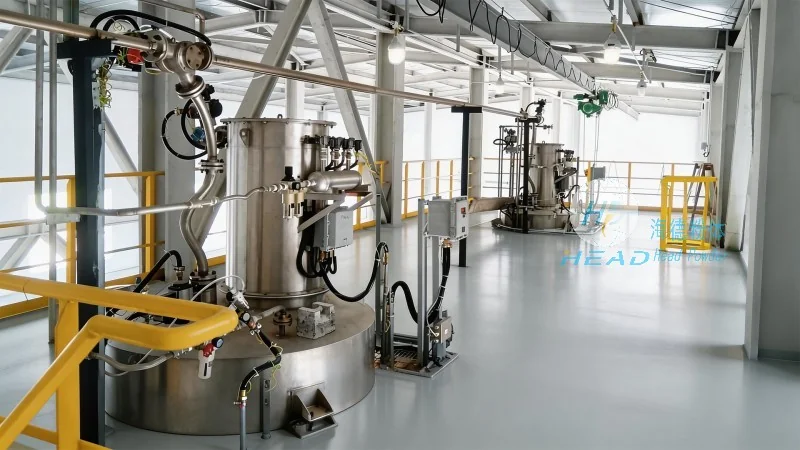
The Working Principle of Powder Conveying Systems
The core of steel and lime powder conveying equipment lies in its ability to transport fine materials through a combination of mechanical and pneumatic systems. These systems typically utilize screw conveyors, pneumatic conveyors, or a hybrid approach to move powders from storage to processing units. The design incorporates features such as adjustable speed controls, material separation mechanisms, and dust suppression systems to ensure safe and efficient operation. For steel powder, the equipment must handle abrasive and heavy materials, while lime powder requires considerations for moisture content and reactivity. The system's design addresses these challenges by using durable materials like stainless steel and specialized coatings to prevent wear and corrosion.
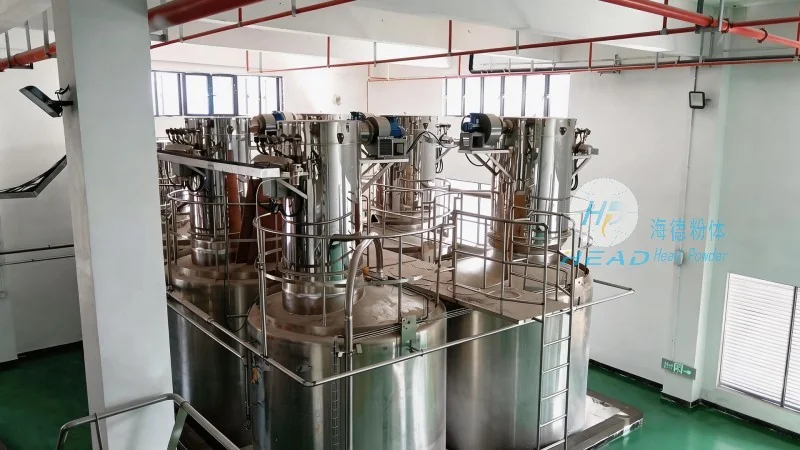
Key Working Scene Characteristics
The working scene characteristics of steel and lime powder conveying equipment vary based on the industrial application. In steel manufacturing facilities, the equipment is often integrated into raw material handling processes, where steel powder is transported to furnaces or mixing stations. The system must handle high volumes of material with minimal loss, ensuring precise control over the feed rate. In contrast, lime powder conveying is common in chemical and environmental applications, where the equipment is used to transport lime for neutralization processes or as a raw material in cement production. The working environment may involve exposure to moisture, temperature fluctuations, and chemical reactions, making the equipment's durability and reliability critical. Additionally, the equipment is designed to operate in both indoor and outdoor settings, adapting to different facility layouts and space constraints. The flexibility in system configuration allows for customization to suit specific production requirements, whether for continuous or batch processing.
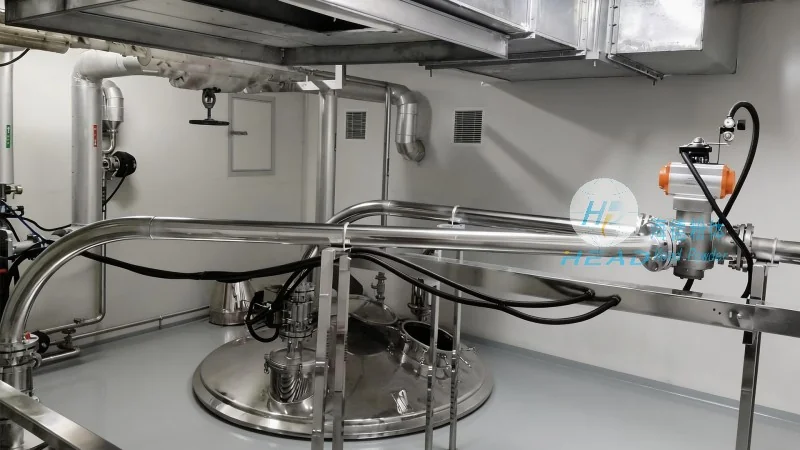
Application in Diverse Industrial Environments
Steel and lime powder conveying equipment is widely used across multiple industrial sectors, including metallurgy, chemical processing, and environmental management. In metallurgical plants, the equipment supports the production of steel by efficiently transporting steel powder to casting or rolling operations. The system's ability to handle abrasive materials reduces equipment wear and extends maintenance intervals, contributing to cost savings. In chemical plants, the equipment is integral to processes involving lime, such as water treatment or flue gas desulfurization. The consistent delivery of lime powder ensures optimal performance in these processes, enhancing the efficiency of environmental control measures. Furthermore, the equipment is utilized in food processing and pharmaceutical industries where fine powders are handled with strict hygiene and safety standards. The design of the conveying systems incorporates sanitary features, such as smooth surfaces and easy-to-clean components, to meet regulatory requirements. This adaptability makes the equipment suitable for a broad range of applications, from large-scale industrial operations to smaller processing facilities.