

Principles and Working Scene Characteristics of PVB Powder Conveying Equipment
HeadPowder, a leading manufacturer based in Shandong, China, specializes in the design and production of advanced PVB powder conveying equipment. This equipment is engineered to handle the unique challenges associated with transporting polyvinyl butyral (PVB) powders efficiently and reliably. The following sections will delve into the fundamental principles behind this technology and explore the diverse working environments where such equipment is commonly employed.
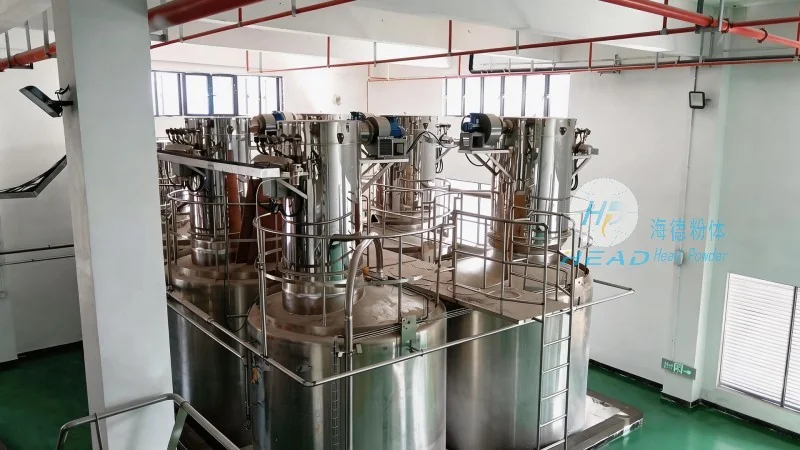
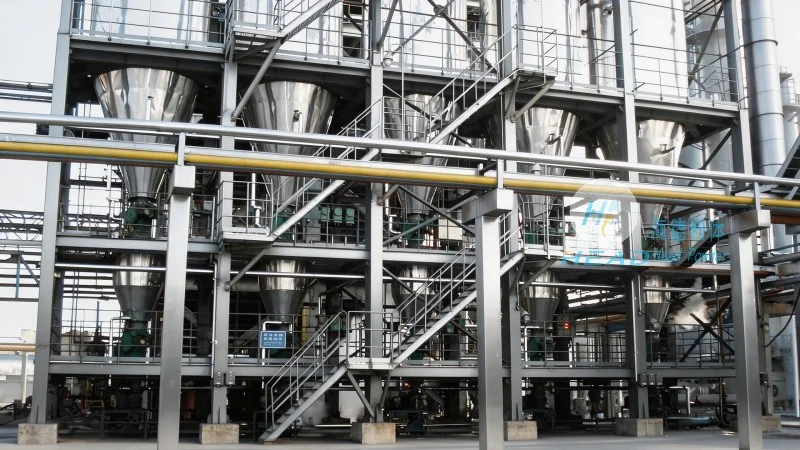
Core Principles of PVB Powder Conveying Systems
The operation of PVB powder conveying equipment is grounded in several key principles that ensure optimal performance. The primary mechanism involves the use of a closed-loop system, typically incorporating a hopper, a conveyor (such as a screw or pneumatic conveyor), and a control unit. The hopper serves as the storage container, holding the PVB powder in a controlled manner to prevent spillage or contamination. The conveyor component is responsible for transporting the powder from the hopper to the processing or packaging area. A critical aspect of these systems is the maintenance of a consistent flow rate, which is achieved through precise control of the conveyor speed and the pressure within the system. This control is often managed by a programmable logic controller (PLC) or a similar automation system, ensuring that the powder is conveyed at the optimal rate for the specific application. Additionally, the equipment is designed with materials that are compatible with PVB, such as stainless steel or specialized plastics, to prevent chemical reactions or contamination that could degrade the quality of the powder. The closed-loop design also minimizes dust emissions, adhering to environmental regulations and ensuring a safe working environment.
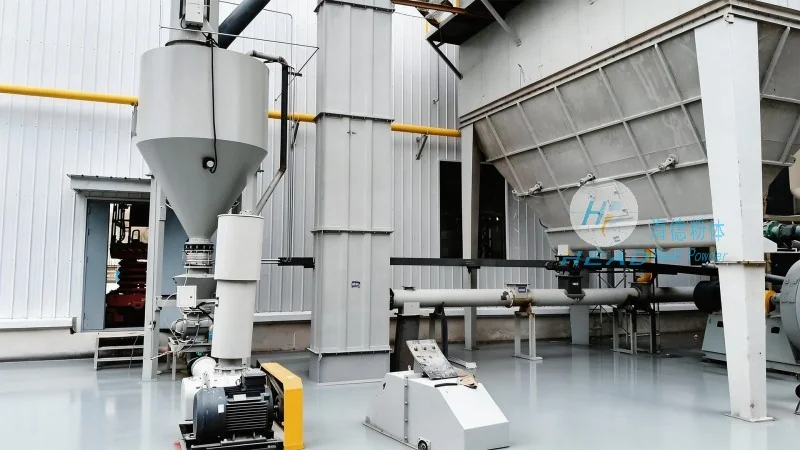
Working Scene Characteristics of PVB Powder Conveying Equipment
PVB powder conveying equipment is widely utilized across various industrial sectors, each presenting distinct characteristics that influence the design and operation of the system. In the automotive industry, for example, PVB is a critical component in the production of safety glass, particularly in laminated glass for windshields and side windows. The equipment must be capable of handling high volumes of PVB powder with precision, as any inconsistency in the powder flow can affect the quality of the final glass product. The working environment in this sector often involves high production rates and strict quality control measures, requiring the conveying system to be robust and reliable. Another key application is in the construction industry, where PVB is used in adhesives and sealants. Here, the equipment must be able to handle smaller batches of powder and maintain a consistent moisture level, as moisture can affect the adhesive properties of the PVB. The working scene in construction often involves more variable conditions, such as changes in ambient temperature and humidity, which the equipment must be able to adapt to without compromising performance. In the pharmaceutical industry, PVB is used in certain drug formulations, and the conveying equipment must meet stringent hygiene and contamination control standards. This requires the use of sterile materials and rigorous cleaning protocols, ensuring that the powder remains free from contaminants throughout the conveying process. The working environment in pharmaceuticals is characterized by high standards of cleanliness and safety, which the equipment must align with to maintain product integrity. Additionally, in the glass manufacturing industry, PVB is used in the production of decorative glass and other specialized products. The conveying equipment in this sector must be able to handle different particle sizes and densities of PVB powder, as these variations can impact the final product's appearance and performance. The working scene here often involves a combination of high-speed production and quality inspection, requiring the equipment to be both efficient and accurate. Finally, in the chemical industry, PVB is used as a raw material in various chemical processes. The conveying equipment must be able to handle the specific chemical properties of PVB, such as its solubility and reactivity, while maintaining a safe and controlled environment. The working environment in the chemical industry may involve exposure to other chemicals or hazardous materials, necessitating the use of protective measures and robust equipment design.
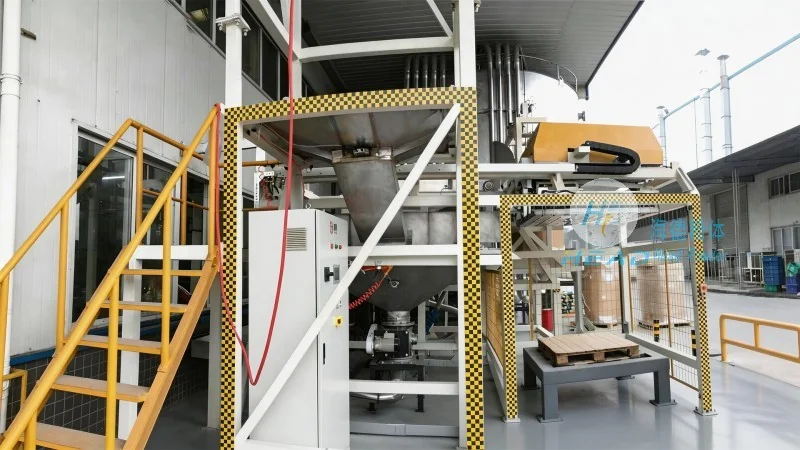
Company Profile and Location
HeadPowder Engineering Co., Ltd. is a professional manufacturer specializing in the production of PVB powder conveying equipment. The company is headquartered in Shandong, China, a region known for its advanced manufacturing capabilities and strong industrial infrastructure. HeadPowder has established itself as a trusted supplier in the industry, offering high-quality equipment that meets the diverse needs of its clients. The company's commitment to quality and innovation has enabled it to serve a wide range of industries, including automotive, construction, pharmaceuticals, and glass manufacturing. HeadPowder's equipment is designed to be durable, efficient, and reliable, ensuring that clients can achieve optimal performance in their production processes. The company's location in Shandong provides easy access to transportation networks, facilitating the delivery of equipment to clients across China and internationally. HeadPowder's team of experts is dedicated to providing excellent customer service and technical support, ensuring that clients receive the best possible solutions for their PVB powder conveying needs.