

Principle and Working Scene Characteristics of Dry Soybean Powder Conveying Line
For businesses involved in soybean processing, efficient and reliable material handling is crucial. The dry soybean powder conveying line, a specialized system designed for transporting soybean powder, plays a vital role in ensuring smooth production flow. This article explores the fundamental principles of such systems and highlights key characteristics of their working environments, providing insights into how these technologies enhance operational efficiency in soybean processing facilities.
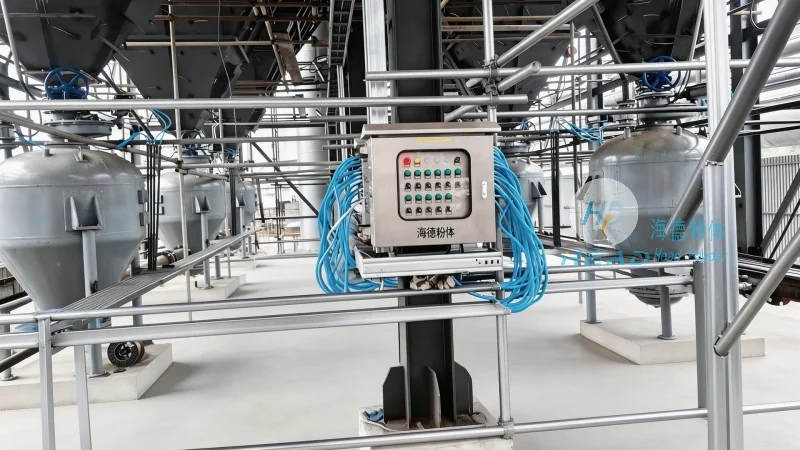
Company Profile: Shandong HeadPowder Engineering Co., Ltd.
HeadPowder, as the name suggests, specializes in engineering solutions for powder handling and conveying systems. With a strong presence in the industry, Shandong HeadPowder Engineering Co., Ltd. has established itself as a trusted provider of advanced material handling technologies. Based in Shandong, China, the company leverages its expertise to deliver customized conveying solutions tailored to the unique needs of clients in the food processing sector, particularly those dealing with soybean products.
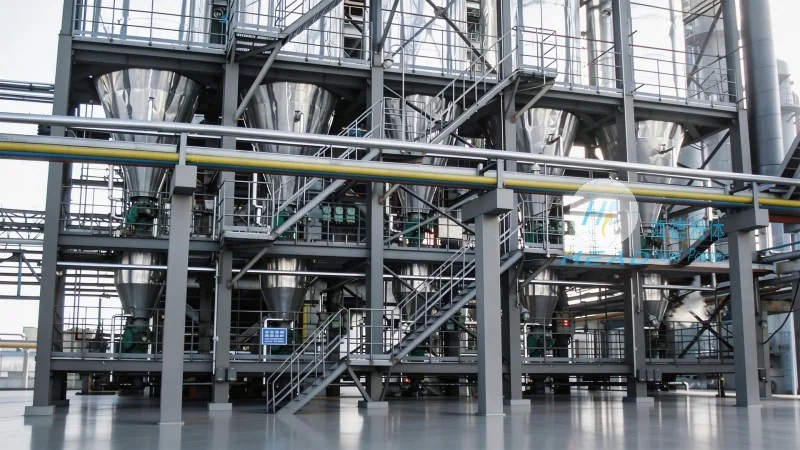
Principle of Dry Soybean Powder Conveying Lines
The core principle of a dry soybean powder conveying line revolves around the efficient movement of soybean powder from one processing stage to another. These systems typically utilize a combination of mechanical components, such as screw conveyors, pneumatic conveyors, or bucket elevators, to transport the powder. The choice of conveying method depends on factors like the material's properties, production volume, and the layout of the processing facility. For dry soybean powder, which is often fine and lightweight, pneumatic conveying systems are commonly employed due to their ability to handle fine powders with minimal product degradation. The system operates by creating a pressure differential that draws the powder into a pipeline, where it is transported to the next processing stage. This principle ensures that the powder is moved without the need for direct contact with mechanical parts, reducing the risk of contamination and maintaining product quality.
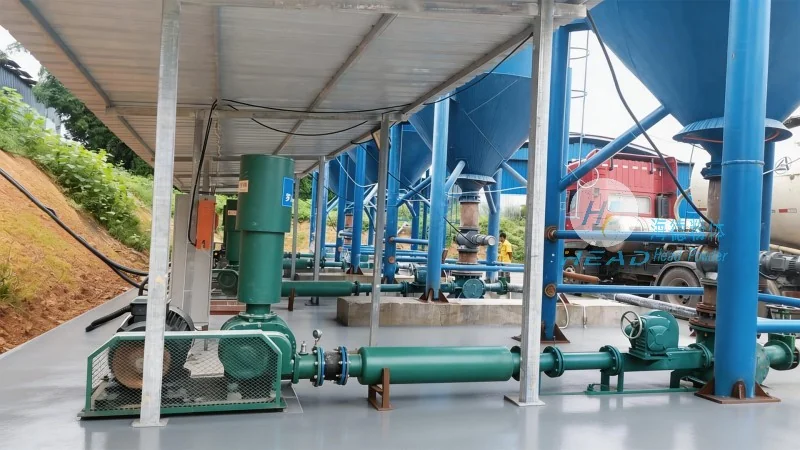
Working Scene Characteristics
The working scene characteristics of dry soybean powder conveying lines vary based on the specific application and the scale of the processing operation. In large-scale soybean processing plants, these systems are often integrated into a comprehensive production line that includes cleaning, dehulling, grinding, and packaging stages. The conveying line may need to handle high volumes of powder, requiring robust and high-capacity equipment to maintain production throughput. In such industrial settings, the system is designed to operate continuously, with minimal downtime for maintenance, ensuring that the production process remains uninterrupted. Additionally, the working environment may involve high temperatures or humidity, which necessitates the use of materials and components that are resistant to corrosion and wear. The design of the conveying line must also consider factors like dust control and safety, as fine powders can pose explosion risks if not properly managed. In smaller processing facilities or for specialized applications, such as small-scale soybean flour production, the conveying line may be more compact and less complex, focusing on precision and flexibility rather than high throughput. These variations in working scene characteristics highlight the adaptability of dry soybean powder conveying lines to different operational needs.
Key Features and Advantages
Several key features distinguish dry soybean powder conveying lines from other material handling systems. One of the primary advantages is their ability to handle fine powders without causing agglomeration or degradation, which is critical for maintaining the quality of soybean products. The systems are also designed for low maintenance, with components that are easy to replace and inspect, reducing operational costs over time. Another important feature is the flexibility in system configuration, allowing for integration with existing processing equipment or expansion as production needs grow. The use of pneumatic conveying, in particular, offers advantages such as gentle handling of the powder, which preserves the nutritional and sensory properties of the soybean product. Furthermore, the systems are often equipped with monitoring and control systems that allow operators to track the flow of material and adjust parameters in real-time, enhancing process control and efficiency.
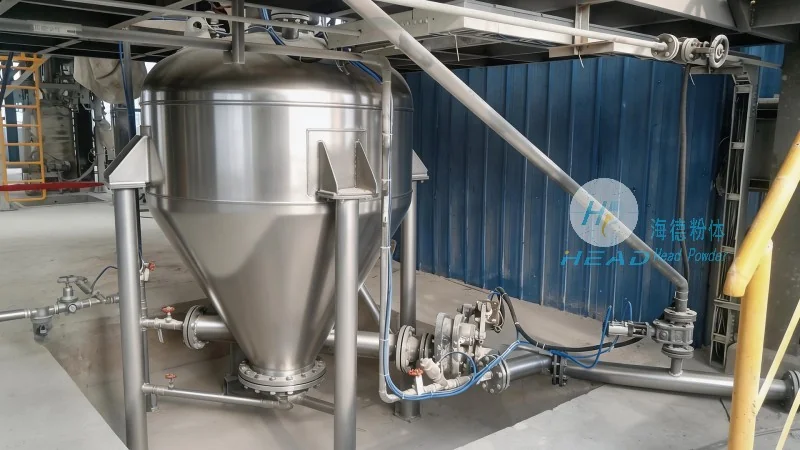
Conclusion
Understanding the principle and working scene characteristics of dry soybean powder conveying lines is essential for optimizing soybean processing operations. By leveraging advanced engineering solutions from companies like Shandong HeadPowder Engineering Co., Ltd., businesses can enhance their material handling capabilities, improve product quality, and increase overall operational efficiency. The adaptability and reliability of these systems make them a valuable asset in the modern soybean processing industry, supporting the production of high-quality soybean products for various applications.