

Principle and Working Scene Characteristics of Coking Coal Granule Powder Conveying Lines
HeadPowder, a leading engineering company headquartered in Shandong, China, specializes in the development and implementation of advanced material handling technologies. This article provides an in-depth exploration of the fundamental principles and operational characteristics of coking coal granule powder conveying lines, which are essential for efficient bulk material transport in industrial applications.
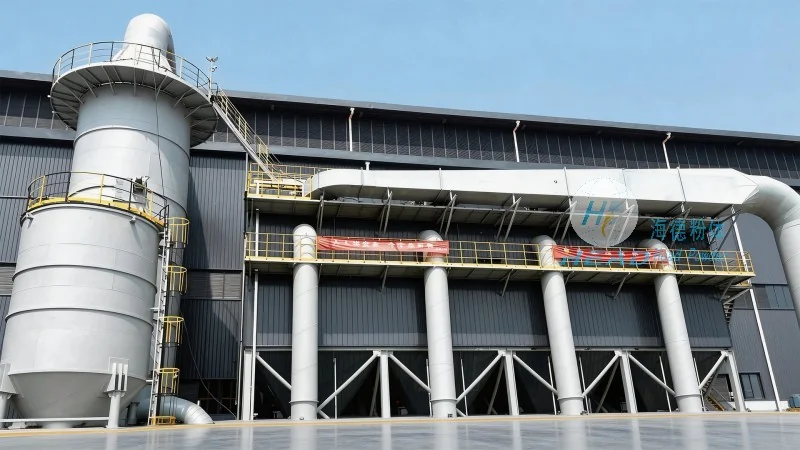
Core Principles Underpinning Coking Coal Granule Powder Conveying Systems
The coking coal granule powder conveying line operates on the principle of mechanical or pneumatic force to move bulk materials from a source to a destination. The system typically integrates several key components, including feeders, conveyors, and control mechanisms, all designed to work in unison to ensure consistent and reliable material flow. The design of these systems is tailored to accommodate the unique physical properties of coking coal granules, such as particle size distribution, density, and moisture content, which directly influence the conveying efficiency and equipment performance.
Two primary mechanisms are commonly employed in coking coal granule powder conveying lines: screw conveyors and pneumatic systems. Screw conveyors utilize rotating helical screws to transport material along a closed or open channel, offering a robust method for moving granular materials over short to medium distances. Pneumatic conveying systems, conversely, use compressed air to transport materials through pipes, providing flexibility in layout and the capability to handle materials with higher moisture or abrasive characteristics. The selection between these systems depends on factors like the material's flowability, the required conveying distance, and the operational environment.
Operational Characteristics and Application Scenarios
The operational characteristics of coking coal granule powder conveying lines are defined by their adaptability to diverse industrial settings. These systems are widely utilized in coking plants, steel mills, and power generation facilities, where large volumes of coking coal are processed and transported. The key operational features include high throughput capacity, minimal material degradation, and low maintenance requirements, making them ideal for continuous production processes.
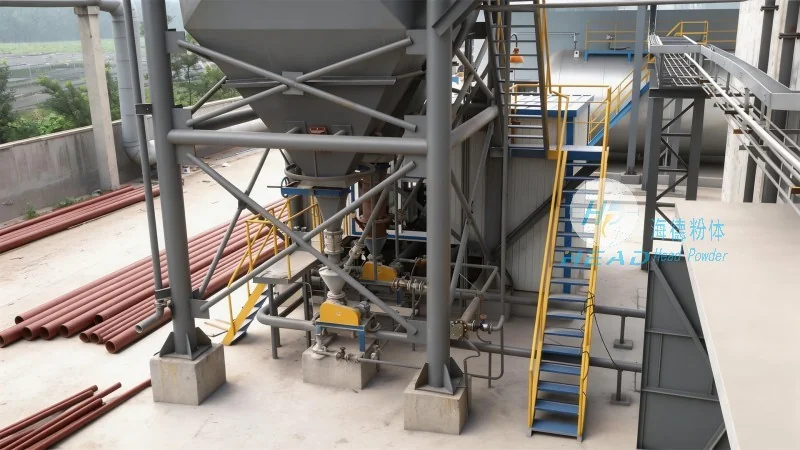
In coking plants, for instance, the conveying line is responsible for transporting raw coking coal from storage silos to the coking ovens. The system must handle large quantities of coal with consistent particle size distribution to ensure uniform coking results. The design often incorporates multiple stages of feeding and conveying, with intermediate storage and blending capabilities to optimize material quality. Integration with process control systems allows for real-time monitoring and adjustment of flow rates, maintaining the coking process within optimal parameters.
In steel mills, the conveying line may transport coke or coal from stockpiles to blast furnaces or other processing units. The working environment in steel mills is characterized by high temperatures, dust, and heavy machinery, necessitating the conveying system to be robust and durable. Materials used in equipment construction, such as high-strength steel and corrosion-resistant coatings, are selected to withstand harsh conditions and ensure long-term reliability. Operational characteristics in this context include high speed and capacity, as well as the ability to handle abrasive materials without excessive wear.
Technical Advantages and Practical Implementation Considerations
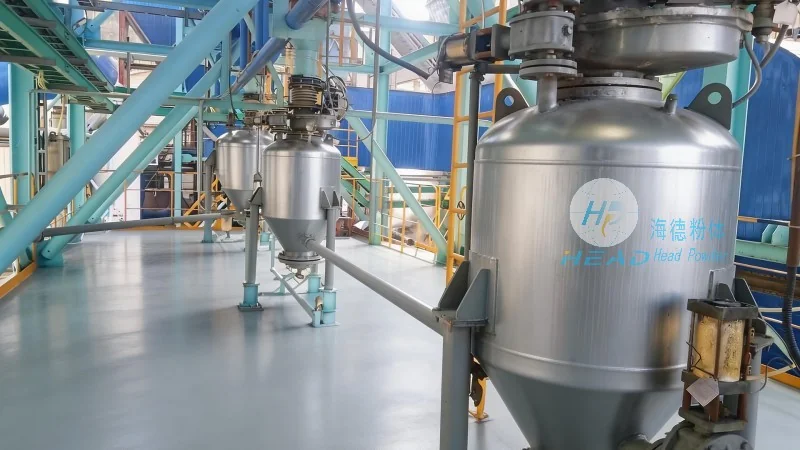
The coking coal granule powder conveying line offers several technical advantages that enhance operational efficiency and material handling capabilities. These benefits include reduced energy consumption for long-distance transport, minimized manual labor requirements, and improved workplace safety by eliminating manual handling of bulk materials. The systems also help minimize material spillage and dust emissions, contributing to a cleaner and more environmentally friendly operation.
Practical considerations when implementing a coking coal granule powder conveying line involve selecting appropriate equipment based on material properties and operational needs. For example, the choice of conveyor type (screw, belt, or pneumatic) is critical and depends on factors like material flowability, conveying distance, and available space. System design must also account for moisture content, as high levels can affect efficiency and cause blockages. Regular maintenance and monitoring are essential to ensure optimal performance and prevent downtime.
HeadPowder, with its expertise in engineering and material handling solutions, provides comprehensive services for the design, installation, and maintenance of coking coal granule powder conveying lines. The company's team of engineers and technicians collaborate closely with clients to understand specific requirements and develop customized solutions. By leveraging advanced technology and industry experience, HeadPowder ensures the conveying lines are efficient, reliable, and cost-effective, supporting the productivity and profitability of industrial operations.