

Principle and Working Scene Characteristics of Zinc Calcine Powder Conveying Lines
Zinc calcine powder conveying lines are critical components in the processing and handling of zinc calcine, a key intermediate product in the zinc metallurgical industry. These systems are designed to efficiently transport zinc calcine from one processing stage to another, ensuring smooth material flow and operational efficiency. The design and implementation of such conveying lines are tailored to meet the specific requirements of zinc production facilities, addressing challenges like material handling, dust control, and system reliability.
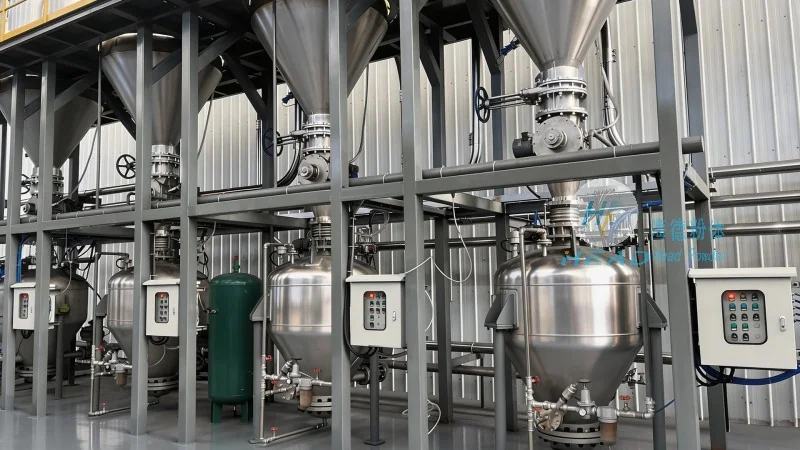
The Working Principle of Zinc Calcine Powder Conveying Lines
The core principle of zinc calcine powder conveying lines involves the use of mechanical or pneumatic systems to move zinc calcine powder through a network of pipes or ducts. Mechanical conveying systems typically utilize screw conveyors, belt conveyors, or bucket elevators, which rely on mechanical power to transport the material. Pneumatic conveying systems, on the other hand, use compressed air to create a flow of air and material, often employing positive or negative pressure to move the powder. The choice between these systems depends on factors such as material properties, distance to be covered, and environmental considerations. For zinc calcine, which is often fine and dusty, mechanical systems may be preferred to minimize dust generation and ensure consistent material flow.
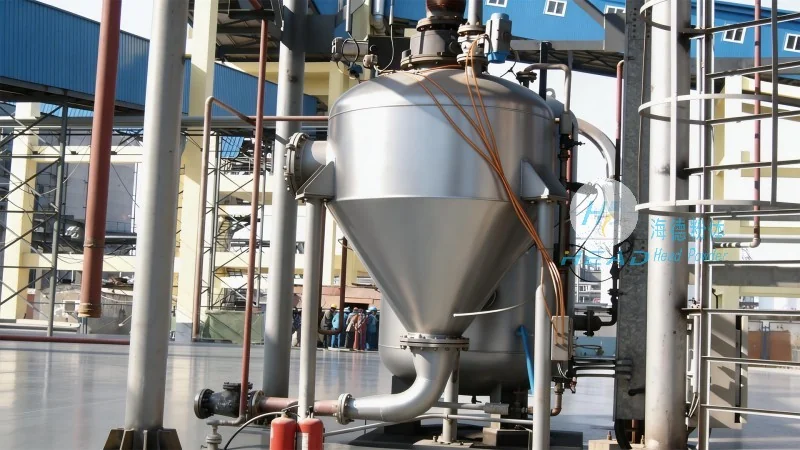
Key Working Scene Characteristics of Zinc Calcine Powder Conveying Lines
The working scene characteristics of zinc calcine powder conveying lines are shaped by several factors that influence their design and operation. One of the primary characteristics is the need for dust control, as zinc calcine is a fine powder that can easily generate dust during handling. Conveying systems are equipped with dust collection and filtration systems to ensure compliance with environmental regulations and maintain a safe working environment. Another characteristic is the requirement for high efficiency and reliability, as zinc production facilities operate continuously and any downtime in the conveying system can lead to significant production losses. The systems are designed to handle the specific physical properties of zinc calcine, such as its particle size distribution, moisture content, and bulk density, to ensure optimal performance. Additionally, the working scene may involve integration with other processing equipment, such as crushers, screens, and storage silos, requiring the conveying line to be compatible with these systems and capable of handling varying material flow rates.
Company Profile: Shandong HeadPowder Engineering Co., Ltd.
HeadPowder, a leading engineering company specializing in powder handling and conveying solutions, provides comprehensive services for zinc calcine powder conveying lines. With years of experience in the metallurgical industry, HeadPowder has developed advanced technologies and expertise to design and implement efficient conveying systems tailored to the needs of zinc production facilities. The company's team of engineers and technicians works closely with clients to understand their specific requirements and provide customized solutions that enhance operational efficiency and reduce costs. HeadPowder's commitment to quality and innovation has made it a trusted partner in the zinc industry, delivering reliable and durable conveying systems that meet the highest standards of performance and safety.
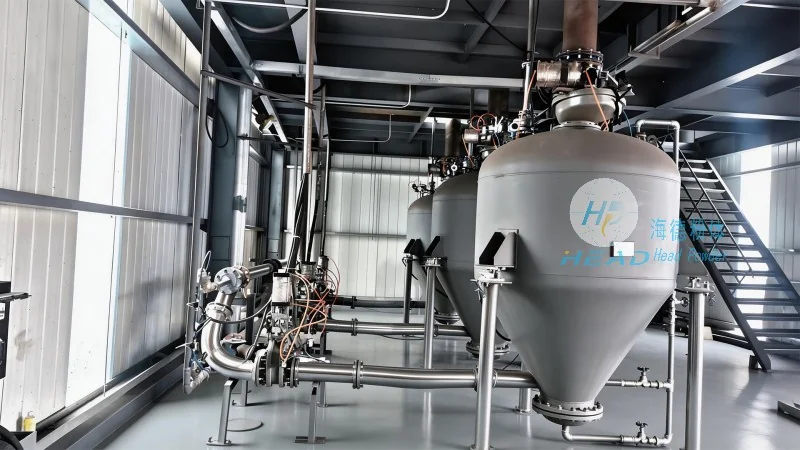
Address and Location
HeadPowder is located in Shandong, China, providing a strategic base for serving clients in the region and beyond. The company's facilities are equipped with state-of-the-art equipment and testing capabilities, enabling the development and testing of advanced conveying systems. The location in Shandong allows for easy access to major zinc production centers and facilitates efficient logistics and support for clients.