

Working Principle and Features of a Forage Silage Material Conveying Line
Forage silage material conveying lines are essential systems in agricultural and livestock operations, designed to efficiently transport silage materials from storage or processing areas to feeding points. These lines are engineered to handle the unique properties of silage, such as moisture content, density, and the need for gentle handling to preserve nutritional value. The following sections will explore the working principle and key features of such conveying systems, providing insights into their functionality and benefits. Developed by Shandong HeadPowder Engineering Co., Ltd., a leading manufacturer based in China, these systems are designed to meet the demands of modern farming and livestock management.
Working Principle of Forage Silage Material Conveying Lines
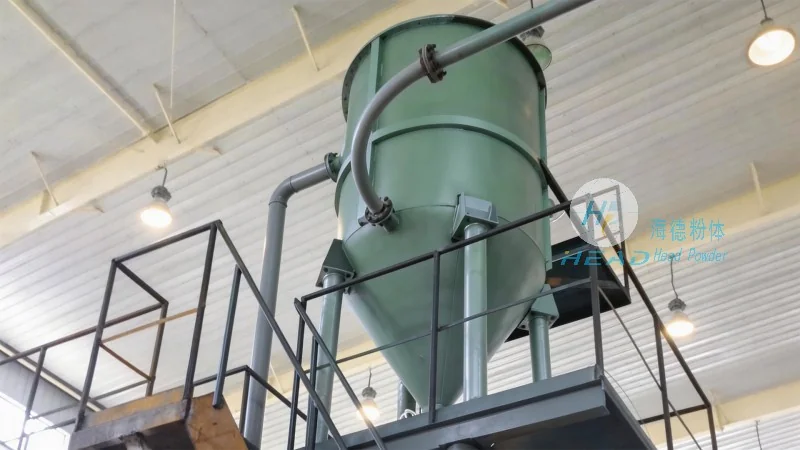
The core working principle of a forage silage material conveying line involves a series of interconnected components that work in tandem to move silage from its source to the destination. The process typically begins with the loading of silage into a hopper or storage container. From there, the material is fed into a conveyor system, which may include elements like augers, belts, or screw conveyors, depending on the design. The conveyor mechanism then transports the silage through a pipeline or channel to the desired location, such as a feed bunk or storage silo. This continuous flow ensures that silage is moved efficiently without excessive handling, minimizing the risk of spoilage or nutrient loss.
Key components of the conveying line include the feed hopper, which holds the silage and regulates the flow rate; the conveyor itself, which may be a screw conveyor (for vertical or inclined transport) or a belt conveyor (for horizontal transport); and the discharge mechanism, which delivers the silage to the final point of use. Some systems also incorporate additional features like mixing or conditioning units to enhance the quality of the silage before transport. The entire system operates under controlled conditions, often with variable speed drives to adjust the flow rate based on demand, ensuring optimal performance and energy efficiency.
Key Features of Forage Silage Material Conveying Lines
Forage silage material conveying lines are characterized by several key features that make them suitable for modern agricultural operations. One of the most important features is their ability to handle high moisture content materials without clogging or damage. This is achieved through the use of specialized conveyor components, such as smooth or grooved augers that minimize friction and allow for easy movement of wet silage. Additionally, the systems are designed to be hygienic and easy to clean, with smooth surfaces and minimal crevices that prevent the buildup of residue or bacteria.
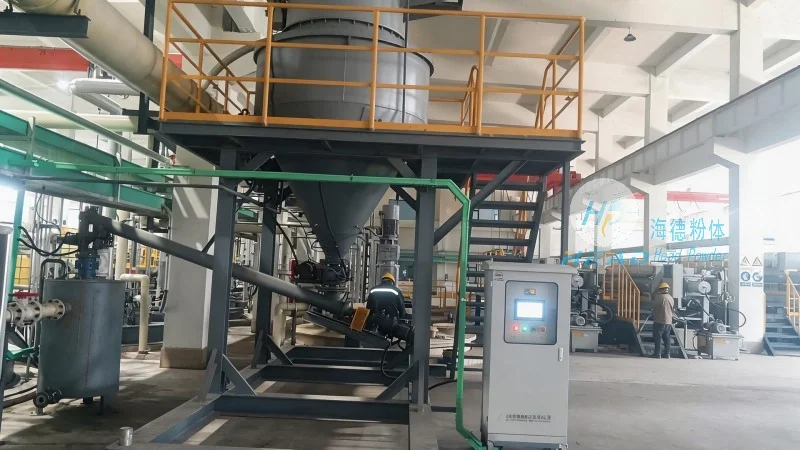
Another critical feature is the system's adaptability to different silage types and processing requirements. Many conveying lines are modular, allowing for customization based on the specific needs of the operation, such as vertical or horizontal transport, varying load capacities, or integration with other processing equipment. This flexibility ensures that the system can be tailored to the unique characteristics of the silage being handled, whether it is corn silage, grass silage, or other forage types.
Energy efficiency is also a significant feature of modern forage silage material conveying lines. Advanced systems utilize variable frequency drives (VFDs) to adjust motor speed and power consumption according to the load, reducing energy waste and operational costs. Additionally, the design of the conveyor components minimizes friction and resistance, further enhancing energy efficiency. This not only lowers the environmental impact of the operation but also improves the overall profitability of the farm or livestock facility.
Reliability and durability are other essential features that contribute to the effectiveness of these conveying lines. The components are typically made from high-quality materials, such as stainless steel or corrosion-resistant alloys, which can withstand the harsh conditions of silage handling, including moisture, temperature fluctuations, and potential contaminants. This ensures that the system operates consistently over long periods without frequent maintenance or replacement, providing a reliable solution for continuous material transport.
Benefits of Using Forage Silage Material Conveying Lines
The implementation of forage silage material conveying lines offers numerous benefits to agricultural operations. By automating the transport of silage, these systems reduce the need for manual labor, which can be time-consuming and physically demanding. This not only improves worker safety but also increases the efficiency of the overall feeding process. Additionally, the consistent and gentle handling of silage preserves its nutritional value, ensuring that livestock receive high-quality feed that supports their health and productivity.
Another benefit is the improved hygiene and sanitation of the feeding process. Automated conveying lines minimize direct human contact with silage, reducing the risk of contamination and the spread of diseases. This is particularly important in modern livestock operations where biosecurity is a top priority. Furthermore, the controlled flow of silage prevents overfeeding or underfeeding, leading to better weight gain and overall animal performance.
From an operational perspective, forage silage material conveying lines enhance the efficiency of the entire feeding system. By integrating with other processing equipment, such as silos or feed mixers, these lines create a seamless workflow that reduces downtime and improves productivity. The ability to adjust the flow rate in real-time allows for better management of feed inventory, ensuring that silage is used efficiently and reducing waste. This leads to cost savings and improved profitability for the operation.
Conclusion
Forage silage material conveying lines are sophisticated systems that play a crucial role in modern agricultural and livestock operations. By understanding their working principle and key features, users can appreciate how these systems enhance the efficiency, safety, and profitability of silage handling. The combination of advanced technology, reliable components, and user-friendly design makes these conveying lines an essential investment for any operation that relies on silage as a primary feed source. As agricultural practices continue to evolve, the importance of efficient and effective material transport will only increase, making forage silage material conveying lines a vital component of sustainable and productive farming.