

Working Principle and Features of Inorganic Salt Material Conveying Lines
Inorganic salt material conveying lines are essential equipment for industries handling bulk materials like salts, chemicals, and minerals. These systems efficiently transport raw materials from storage to processing units, ensuring smooth operations and minimal downtime. Understanding their working principles and key features is vital for optimizing industrial processes. This article explores the core mechanisms behind these conveying lines and highlights the attributes that make them indispensable in various applications.
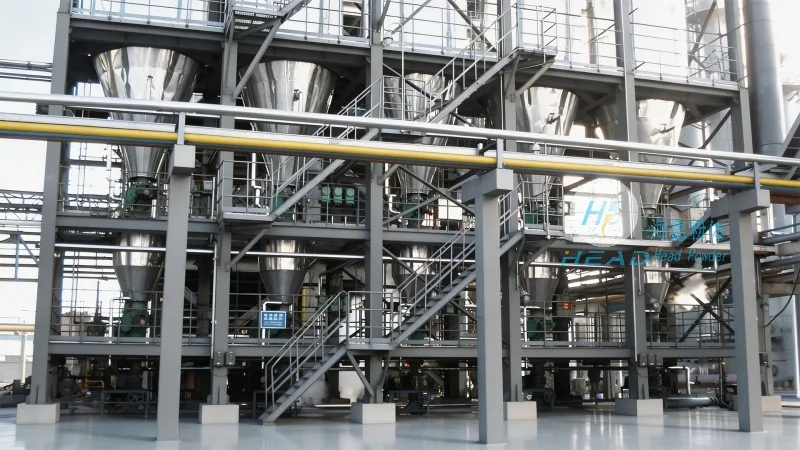
Working Principle of Inorganic Salt Material Conveying Lines
The operation of an inorganic salt material conveying line involves a coordinated sequence of components designed to move materials from one point to another. The process typically starts with material feeding, where raw inorganic salts are loaded from storage silos or hoppers into the system. Subsequently, the materials are transferred through a network of equipment, including belt conveyors, bucket elevators, and screw conveyors, depending on the specific requirements of the application. Each component plays a critical role in the overall workflow, ensuring safe and efficient material transport.
Belt conveyors are commonly used for horizontal or slight incline transport due to their capacity to handle large volumes with minimal maintenance. They consist of a continuous loop of belt supported by rollers, with material placed on the belt surface and carried to the next stage. Bucket elevators are ideal for vertical or steep incline transport, using buckets attached to a chain or belt that lifts material upward. Screw conveyors are suitable for confined spaces and horizontal transport, where a rotating screw (auger) pushes material forward through a tube. The selection of equipment depends on factors such as material characteristics, distance to be covered, and desired transport speed.
Key Features of Inorganic Salt Material Conveying Lines
Several distinct features set inorganic salt material conveying lines apart from other material handling systems. One prominent feature is high efficiency and reliability. These systems are engineered for continuous operation with minimal interruptions, ensuring production processes remain uninterrupted. The use of durable materials like stainless steel or corrosion-resistant alloys enhances longevity and reduces long-term maintenance costs.
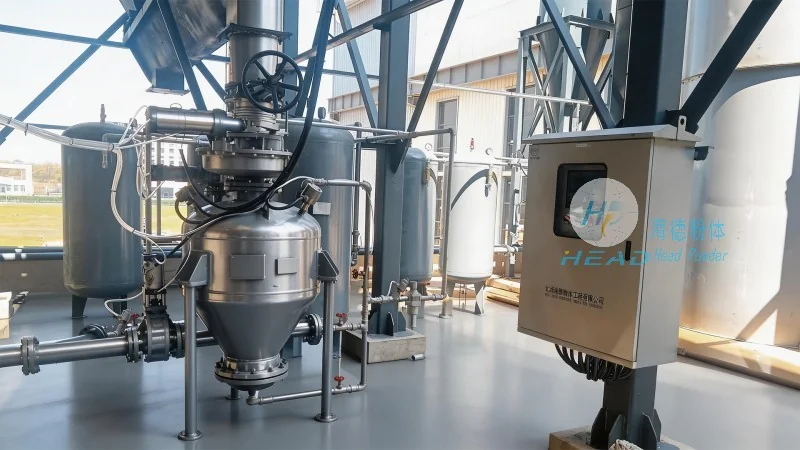
Another critical feature is adaptability. Inorganic salt conveying lines can be customized to accommodate various inorganic salts, including sodium chloride, potassium chloride, and other mineral salts. This flexibility allows seamless integration into existing production lines without major modifications. The systems also handle different particle sizes and moisture content, making them suitable for diverse applications from food processing to chemical manufacturing.
Safety is a key consideration in these conveying lines. Advanced control systems and safety mechanisms, such as emergency stop buttons and overload protection, are integrated to prevent accidents and ensure operator safety. The enclosed design of many conveyor systems minimizes dust exposure and environmental contamination, which is particularly important for handling potentially hazardous inorganic salts.
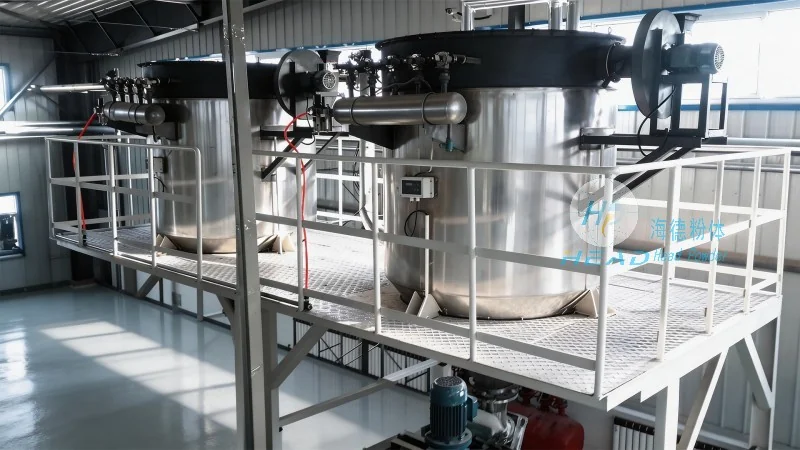
Company Introduction: Shandong HeadPowder Engineering Co., Ltd.
HeadPowder, a leading manufacturer of material handling solutions, specializes in designing and producing high-quality inorganic salt material conveying lines. With years of industry experience and a commitment to innovation, HeadPowder has established itself as a trusted partner for businesses seeking reliable and efficient material transport systems. The company’s headquarters is located in Shandong, China, where a team of skilled engineers and technicians work to develop cutting-edge equipment tailored to each client's unique needs.
HeadPowder’s inorganic salt conveying lines are built with precision and attention to detail, ensuring every component meets stringent quality and performance standards. The company employs advanced manufacturing techniques and rigorous quality control processes to deliver durable, efficient, and cost-effective products. By leveraging the latest technology and industry best practices, HeadPowder has become a preferred supplier for industries in the chemical, food, and mining sectors.
The company’s dedication to customer satisfaction is evident in its comprehensive after-sales support. From installation and commissioning to maintenance and troubleshooting, HeadPowder provides end-to-end support to maximize the lifespan and performance of its conveying lines. This commitment to excellence has earned HeadPowder a reputation for reliability and trustworthiness in the industry.