

Types, Features, and Application Ranges of Desulfurization Sodium Bicarbonate Pneumatic Conveying
Desulfurization sodium bicarbonate, also known as sodium bicarbonate for flue gas desulfurization, is a crucial chemical in industrial processes aimed at reducing sulfur dioxide emissions. The pneumatic conveying of this material is a key method for efficient material handling in various industrial applications. This article provides an overview of the types, characteristics, and application scope of desulfurization sodium bicarbonate pneumatic conveying systems, presented by Shandong HeadPowder Engineering Co., Ltd., a leading provider of industrial material handling solutions based in China.
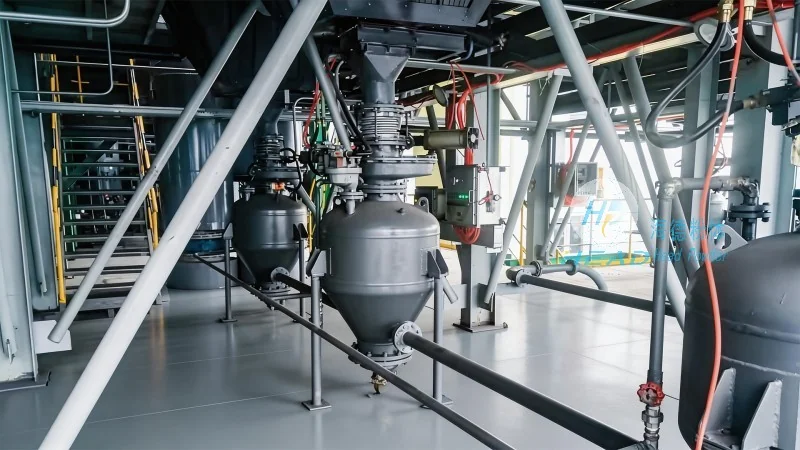
Introduction to Desulfurization Sodium Bicarbonate Pneumatic Conveying
Desulfurization sodium bicarbonate is widely used in flue gas desulfurization systems, where it reacts with sulfur dioxide to form calcium carbonate or other byproducts, thereby reducing air pollution. Pneumatic conveying is an effective method for transporting this chemical from storage to processing units, ensuring a continuous and controlled supply. The choice of pneumatic conveying system depends on factors such as material properties, required conveying distance, and operational conditions.
Types of Pneumatic Conveying Systems for Desulfurization Sodium Bicarbonate
There are primarily two types of pneumatic conveying systems used for desulfurization sodium bicarbonate: positive pressure systems and negative pressure systems. Each type has distinct characteristics and is suitable for different operational scenarios.
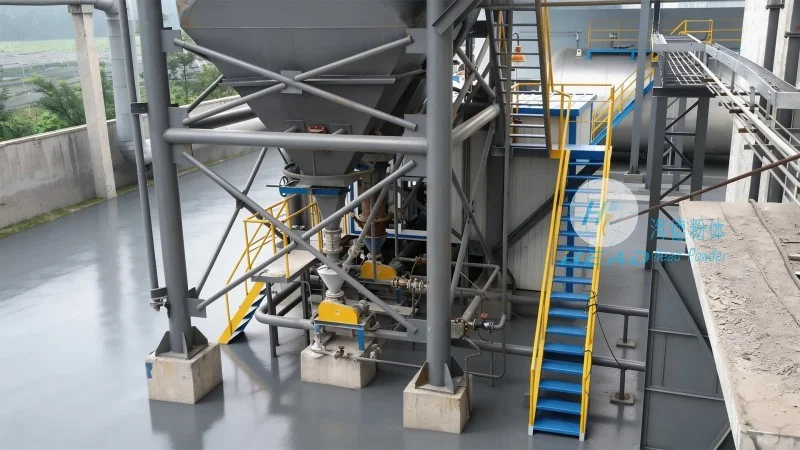
Positive Pressure Pneumatic Conveying
Positive pressure systems operate by blowing air or other gas into the conveying line, creating a pressure higher than the ambient air pressure. This method is effective for conveying materials over short to medium distances and is suitable for materials that are non-abrasive and have a relatively low moisture content. The positive pressure system ensures that the material is transported in a controlled manner, minimizing the risk of dust dispersion and ensuring a stable flow rate.
Negative Pressure Pneumatic Conveying
Negative pressure systems, also known as vacuum conveying systems, operate by creating a vacuum in the conveying line, drawing material from the source into the system. This method is ideal for conveying materials over longer distances and is particularly suitable for materials that are fine and have a high dust content. The negative pressure system allows for a more flexible and versatile operation, as it can handle materials with varying particle sizes and moisture levels.
Key Features of Desulfurization Sodium Bicarbonate Pneumatic Conveying
The effectiveness of pneumatic conveying systems for desulfurization sodium bicarbonate is determined by several key features. These include the system's ability to handle abrasive materials, maintain a consistent flow rate, and ensure minimal material degradation during transport. Advanced systems may incorporate features such as adjustable air flow rates, particle size separation mechanisms, and dust collection systems to enhance performance and safety.
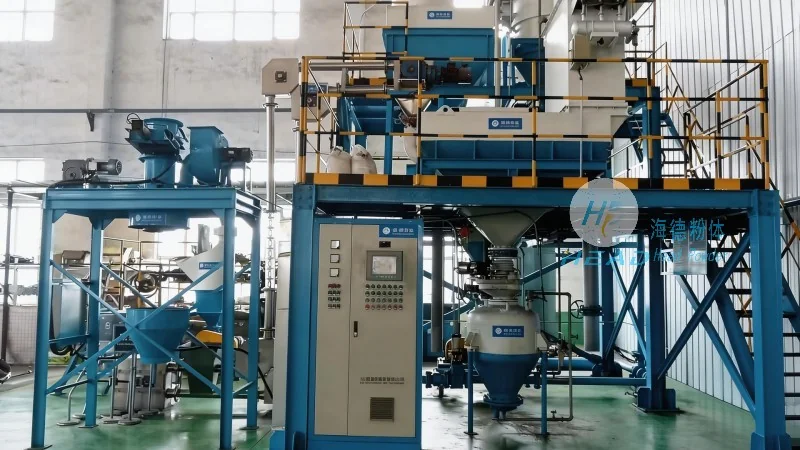
Application Ranges of Desulfurization Sodium Bicarbonate Pneumatic Conveying
Desulfurization sodium bicarbonate pneumatic conveying systems are widely used in various industrial sectors. The primary application is in power plants and industrial facilities where flue gas desulfurization is required. These systems are also used in chemical processing plants, where the material is transported to reactors or storage tanks. Additionally, they are employed in mining and mineral processing operations, where the material is used as a reagent in ore processing.
Conclusion
Desulfurization sodium bicarbonate pneumatic conveying systems offer an efficient and reliable method for transporting this critical chemical in industrial applications. The choice of system type and design depends on specific operational requirements, including material properties, conveying distance, and environmental considerations. By understanding the types, features, and application ranges of these systems, industrial facilities can optimize their material handling processes and ensure compliance with environmental regulations.