

Technical Parameters and Conveying System Process of Coke Powder
HeadPowder, a leading engineering company based in Shandong, China, specializes in the design and implementation of coke powder handling systems. This article provides an in-depth look at the technical parameters governing coke powder characteristics and the efficient conveyance processes utilized in industrial applications.
Key Technical Parameters of Coke Powder
Coke powder, a crucial raw material in metallurgical and chemical industries, exhibits distinct physical and chemical properties that impact its handling and processing. The primary technical parameters include particle size distribution, bulk density, moisture content, and chemical composition. Particle size distribution is typically measured using sieving methods and is critical for determining the flowability and reactivity of the powder. For instance, a narrower particle size range often results in better flow characteristics, reducing the risk of blockages in conveying systems. Bulk density, which varies based on particle packing and moisture levels, influences the volume of material transported per unit weight. Moisture content must be carefully controlled to prevent caking and ensure consistent performance. Chemical composition, including carbon content, ash, and sulfur levels, affects the end product quality and the efficiency of downstream processes.
Conveying System Design and Process
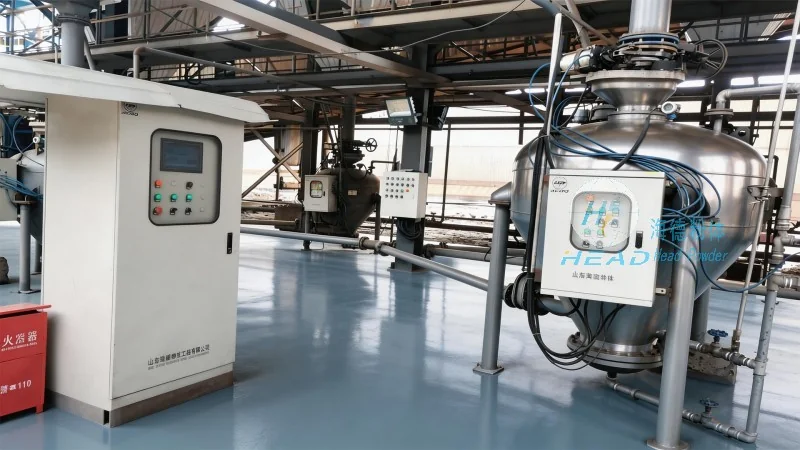
The conveyance of coke powder requires specialized equipment and systems to maintain material integrity and operational efficiency. HeadPowder employs a range of technologies tailored to different industrial needs. One common method is the use of pneumatic conveying systems, which utilize air pressure to transport the powder through pipelines. These systems are particularly effective for long-distance transport and can handle fine powders without the need for mechanical components that might cause wear or contamination. The design of the pneumatic system involves selecting appropriate air velocities, pipeline diameters, and pressure differentials to ensure reliable transport. Another approach is the use of mechanical conveyors, such as screw conveyors or belt conveyors, which are suitable for bulk material handling and can be integrated with storage silos and processing units. The selection of the conveying method depends on factors like material characteristics, distance, and environmental considerations.
Process Integration and Control
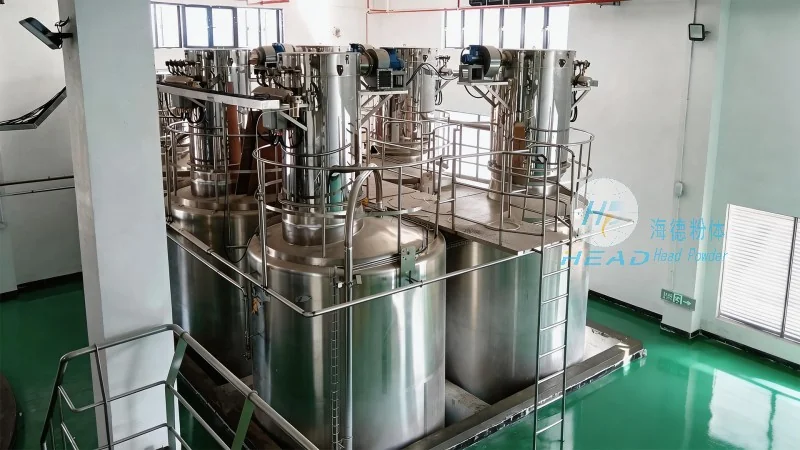
Efficient coke powder handling involves seamless integration with other industrial processes, including storage, mixing, and feeding systems. HeadPowder’s solutions incorporate advanced control systems that monitor and regulate the flow of material in real-time. These systems use sensors to measure parameters like pressure, flow rate, and moisture content, providing data-driven insights for process optimization. Automation plays a vital role in maintaining consistent material quality and reducing downtime. For example, automated feeding systems can adjust the flow rate based on production demands, ensuring that the coke powder is delivered at the optimal rate to downstream equipment. The integration of these control mechanisms enhances the overall reliability and performance of the conveying system, minimizing the risk of operational disruptions.
Application in Industrial Settings
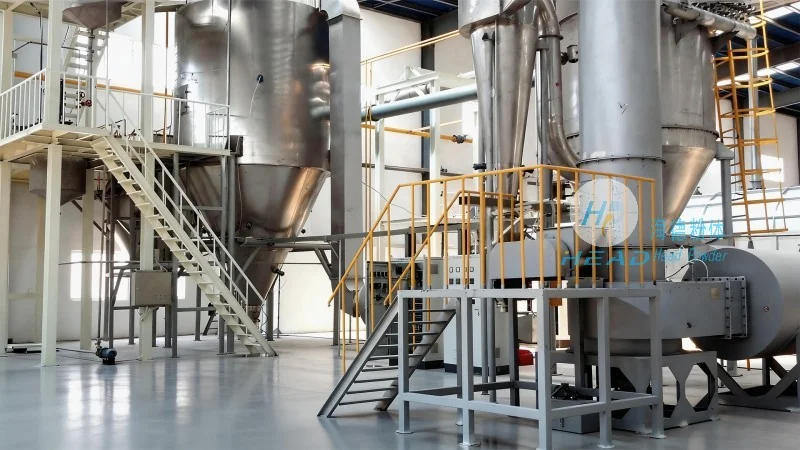
Coke powder is widely used in various industrial applications, including steel production, cement manufacturing, and chemical synthesis. In steelmaking, coke powder serves as a fuel and reducing agent in blast furnaces, where its reactivity and particle size are critical for efficient combustion. The conveying system must ensure that the powder is delivered to the furnace at a controlled rate to maintain stable operating conditions. In cement production, coke powder is used as a fuel in kilns, contributing to the heat required for clinker formation. The handling system must prevent dust emissions and ensure consistent fuel supply. In chemical industries, coke powder is utilized as a raw material in the production of carbon black and other chemicals. The conveying process must maintain the purity of the powder, avoiding contamination from external sources. HeadPowder’s expertise in designing tailored conveying systems ensures that these applications are met with high efficiency and reliability.
Conclusion
HeadPowder Engineering Co., Ltd. offers comprehensive solutions for coke powder handling, focusing on technical parameters and efficient conveying systems. By understanding the critical characteristics of coke powder and implementing advanced conveying technologies, the company enables industries to optimize their processes and enhance productivity. With a strong presence in Shandong, China, HeadPowder continues to deliver high-quality engineering solutions that meet the evolving needs of the industrial sector.