

Technical Parameters and Conveying System Process for Spice Processing
HeadPowder, a prominent name in the spice processing industry, specializes in the development and implementation of advanced spice handling solutions. Based in Shandong, China, the company has established itself as a trusted partner for businesses seeking efficient and reliable systems for spice processing and transportation. This article delves into the technical parameters and the intricate processes involved in the design and operation of conveying systems tailored for spice handling applications.
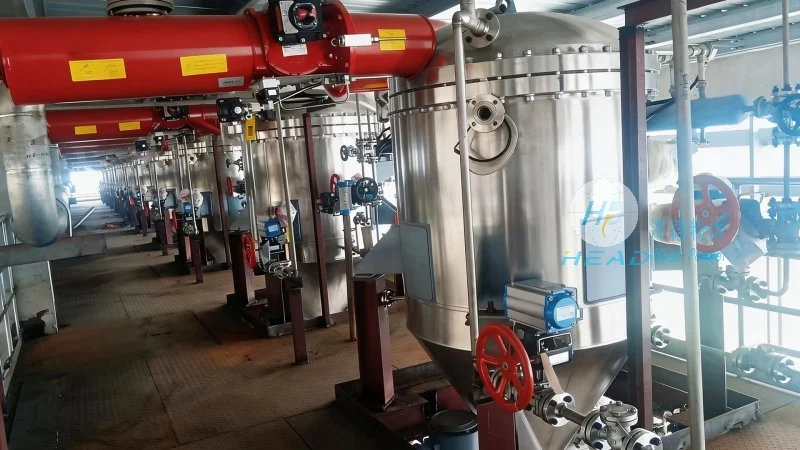
About HeadPowder: Leading in Spice Processing Solutions
HeadPowder Engineering Co., Ltd. is dedicated to providing high-quality engineering solutions for the spice industry. With a focus on innovation and precision, the company has built a reputation for delivering systems that meet the stringent requirements of modern spice processing. The company’s expertise lies in understanding the unique challenges of handling spices, such as their varying particle sizes, moisture content, and potential for dust generation, and designing systems that address these challenges effectively.
Key Technical Parameters for Spice Handling Systems
The successful operation of a spice conveying system relies on a comprehensive understanding of several critical technical parameters. These parameters ensure the system operates efficiently, safely, and in compliance with industry standards. Key parameters include:
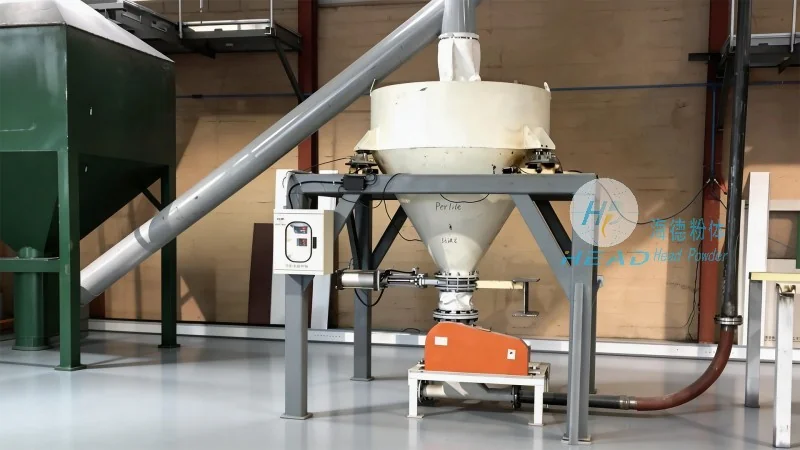
- Material Characteristics: Spices often have irregular shapes, varying densities, and different flow properties. The system design must account for these characteristics to prevent blockages and ensure smooth material flow.
- Particle Size Distribution: The range of particle sizes in the spice batch affects the choice of conveyor type and the speed of operation. Systems are often tailored to handle a specific size range to maintain consistent performance.
- Moisture Content and Hygiene: Spices are sensitive to moisture and require systems that maintain low humidity levels and meet strict hygiene standards. Materials used in the construction of the conveying system are selected to prevent contamination and ensure food safety.
- Temperature and Processing Requirements: Some spices may require temperature control during handling to preserve their flavor and quality. The conveying system may incorporate heating or cooling elements to meet these specific processing needs.
- System Capacity and Throughput: The required capacity of the conveying system, measured in terms of volume or weight per hour, is a crucial parameter. This determines the size of the conveyor components, such as the belt width, speed, and drive power.
Conveying System Technology and Process
The conveying system for spice processing typically involves a combination of technologies to handle the unique properties of spices. Common components include:
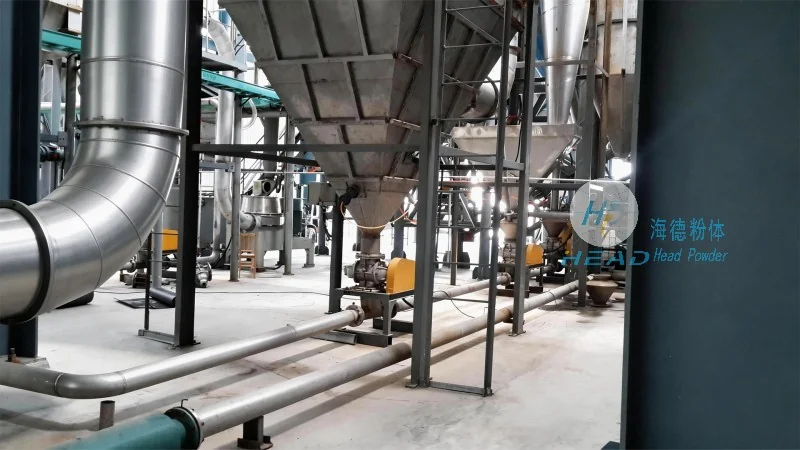
- Pneumatic Conveying: This method uses air pressure to transport spices through a network of pipes. It is ideal for handling fine powders and can be designed to operate in a closed system, minimizing dust and contamination.
- Belt Conveyors: For larger spice particles or bulk materials, belt conveyors are commonly used. These systems are robust and can handle high volumes with minimal maintenance. The design includes features like adjustable speed controls and material feed mechanisms to ensure consistent operation.
- Rotary Valves and Feeders: These components are used to control the flow of spices into the conveying system. They ensure a steady and controlled feed, preventing overloading and maintaining system efficiency.
- Filtering and Dust Control: Due to the fine nature of many spices, dust control is a critical aspect of the system. Filters and dust collection systems are integrated to maintain air quality and protect the equipment from damage.
Process Flow and Integration
The entire spice processing operation involves a series of steps, and the conveying system is a vital link in this workflow. The process typically begins with the reception and storage of raw spices, followed by cleaning and sorting. The conveying system then transports the processed spices to the next stage, such as packaging or further processing. The integration of the conveying system with other processing equipment is crucial for maintaining a smooth and continuous operation.
Quality Assurance and Compliance
HeadPowder ensures that all conveying systems meet the highest standards of quality and compliance. The company adheres to industry regulations and standards, such as those related to food safety and environmental protection. Regular maintenance and testing are performed to ensure the system operates within specified parameters and maintains optimal performance.
Conclusion
HeadPowder Engineering Co., Ltd. provides comprehensive solutions for spice processing, with a focus on the technical parameters and conveying system processes that are essential for efficient and reliable operation. By understanding the unique characteristics of spices and designing systems that address these needs, the company helps businesses in the spice industry achieve their production goals while maintaining quality and safety standards.