

Technical Parameters and Conveying System Process for High Temperature Ash
High temperature ash, a byproduct generated in thermal power plants and industrial processes, presents unique challenges in handling and transportation due to its high temperature, abrasive nature, and potential for agglomeration. Understanding the technical parameters of high temperature ash and the design of efficient conveying systems is crucial for safe and reliable operation in industrial applications. This article provides an overview of the key technical parameters associated with high temperature ash and the process of designing and implementing effective conveying systems, presented by Shandong HeadPowder Engineering Co., Ltd., a leading provider of industrial conveying solutions.
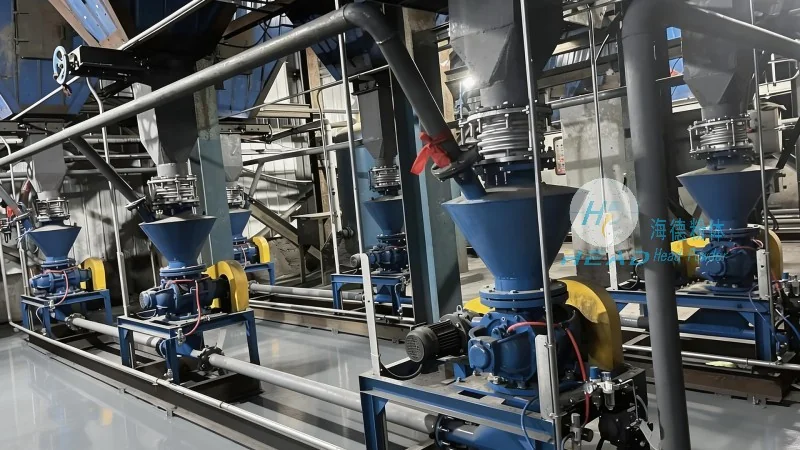
Key Technical Parameters of High Temperature Ash
Before delving into the conveying system design, it is essential to understand the fundamental technical parameters of high temperature ash. These parameters influence the selection of materials, equipment, and operational conditions for the conveying system. The primary technical parameters include:
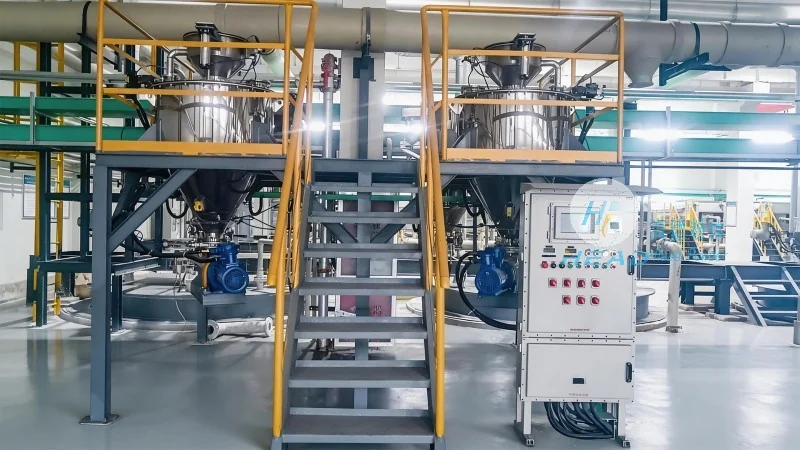
- Temperature Range: High temperature ash typically exits the furnace at temperatures ranging from 800°C to 1200°C, depending on the combustion process and fuel type. Maintaining this high temperature during transportation is critical to prevent premature cooling and agglomeration.
- Particle Size Distribution: The particle size of high temperature ash varies widely, from fine powders to larger agglomerates. The distribution affects the flowability and abrasiveness of the material, impacting the choice of conveyor type and wear-resistant components.
- Chemical Composition: The chemical makeup of high temperature ash, including the presence of silica, alumina, and other minerals, determines its reactivity and potential for corrosion or wear on conveying equipment. This parameter is vital for selecting appropriate materials of construction.
- Moisture Content: Although high temperature ash is generally dry, residual moisture can affect its handling characteristics, especially in humid environments. Proper moisture control is necessary to maintain consistent flow and prevent blockages.
Design Considerations for High Temperature Ash Conveying Systems
The design of a high temperature ash conveying system must address the unique challenges posed by the material's properties. Several key considerations are involved in the process, ensuring the system operates efficiently and safely. These include:
- Material of Construction: Due to the abrasive and high-temperature nature of the ash, conveying components such as pipes, elbows, and valves must be made from wear-resistant materials like high-chrome steel, ceramic, or special alloys. These materials can withstand the mechanical stress and thermal exposure without degradation.
- Conveyor Type Selection: Different conveyor types are suitable for high temperature ash, including pneumatic conveying systems, mechanical screw conveyors, and drag chain conveyors. The selection depends on the temperature range, particle size, and required conveying distance. Pneumatic systems are often preferred for high-temperature applications due to their ability to handle abrasive materials and maintain temperature integrity.
- Temperature Control: Maintaining the ash at its high temperature is essential to prevent agglomeration and ensure smooth flow. Insulation and heat retention measures are implemented in the conveying system to minimize heat loss. This may involve using insulated pipes, thermal barriers, and temperature monitoring systems.
- Wear Protection: The abrasive nature of high temperature ash causes significant wear on conveyor components. Regular maintenance and replacement of wear parts are necessary to ensure system longevity. Advanced wear-resistant coatings and materials are used to extend the service life of the equipment.
Process Flow and Operational Procedures
The operational process of a high temperature ash conveying system involves several steps to ensure efficient and safe transportation. The typical process flow includes:
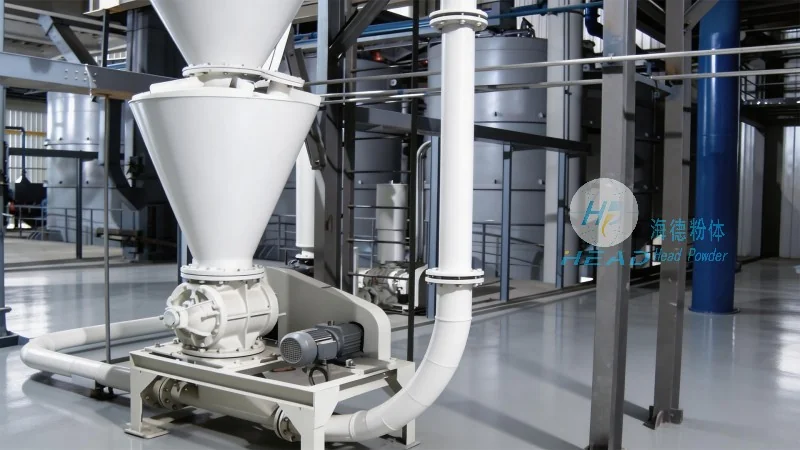
- Collection and Cooling (Optional): In some cases, the high temperature ash may be partially cooled before conveying to reduce the risk of equipment damage. However, for systems requiring minimal temperature change, direct high-temperature conveying is employed.
- Conveying via Pneumatic System: The ash is transported through a network of insulated pipes using compressed air or gas as the conveying medium. The system maintains the ash's temperature by minimizing heat loss through insulation and proper sealing.
- Deposition and Handling: The ash is deposited at the designated location, such as a storage silo or disposal site. The system may include additional equipment for further processing or disposal, depending on the application.
Applications and Industry Use Cases
High temperature ash conveying systems are widely used in various industries, including thermal power generation, cement production, and industrial waste management. The systems are designed to handle large volumes of ash efficiently, ensuring compliance with environmental regulations and operational efficiency. For example, in thermal power plants, these systems are critical for transporting fly ash from the boiler to storage or disposal facilities, contributing to the overall plant efficiency and environmental sustainability.