

Introduction to and Structural Principles of Clay Coal Powder Pneumatic Conveying Lines
HeadPowder, a leading engineering company based in Shandong, China, specializes in the design, manufacturing, and installation of advanced pneumatic conveying systems. With a strong focus on industrial efficiency and material handling solutions, the company has established itself as a trusted partner for businesses operating in the clay, coal, and related sectors. This article provides an overview of clay coal powder pneumatic conveying lines, detailing their structural components, operational principles, and key advantages.
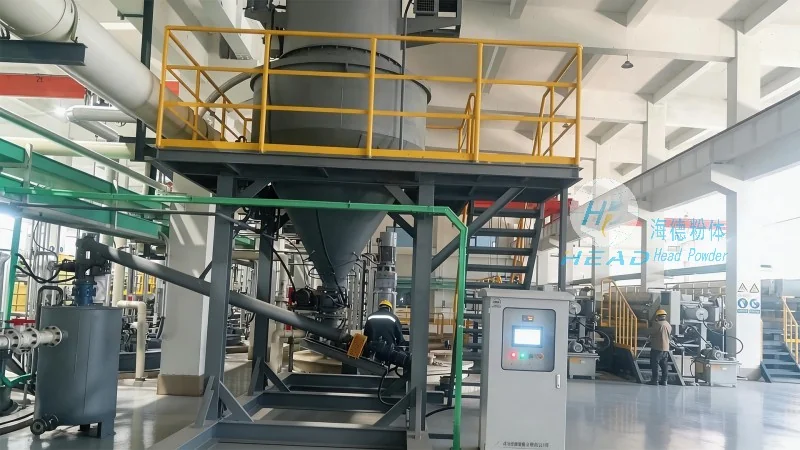
About HeadPowder and Its Expertise in Pneumatic Conveying Systems
HeadPowder Engineering Co., Ltd. is headquartered in Shandong, China, and has built a reputation for delivering high-quality, customized pneumatic conveying solutions tailored to the unique needs of various industries. The company's team of experienced engineers and technicians leverages cutting-edge technology and rigorous testing protocols to ensure that each system meets the highest standards of performance, reliability, and safety. By combining deep industry knowledge with innovative engineering, HeadPowder helps clients optimize their material handling processes, reduce operational costs, and enhance overall productivity.
Overview of Clay Coal Powder Pneumatic Conveying Lines
A clay coal powder pneumatic conveying line is a sophisticated system designed to transport fine powders, such as clay and coal powder, through a network of pipes using compressed air or other gas. This method of material transport offers several advantages over traditional mechanical conveyors, including reduced equipment wear, lower maintenance requirements, and the ability to handle materials in a dust-free environment. The system is widely used in industries like ceramics, construction materials, and energy production, where the efficient and safe handling of powders is critical to operational success.
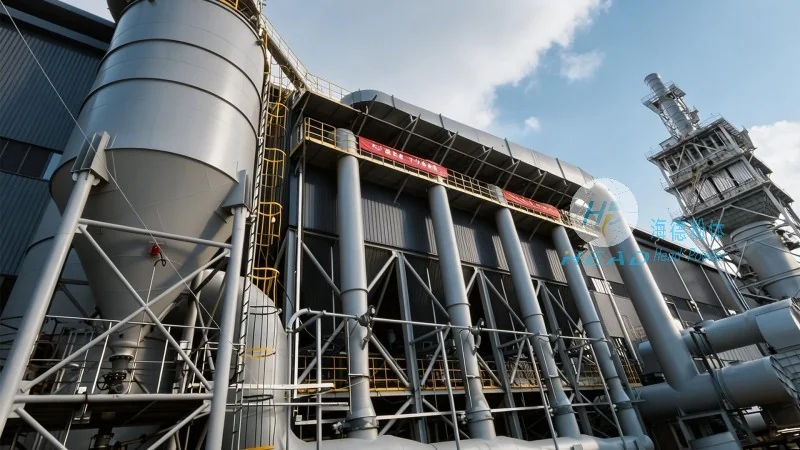
Structural Components and Working Principles
The core components of a clay coal powder pneumatic conveying line include the feeding unit, the conveying pipeline, the air supply system, and the separation and discharge unit. The feeding unit is responsible for introducing the powder material into the system, typically through a hopper or a rotary valve that ensures a consistent and controlled flow. The conveying pipeline, made from materials such as stainless steel or plastic, transports the powder and air mixture from the feeding point to the discharge point. The air supply system, which may consist of a blower or a compressor, generates the necessary pressure to move the material through the pipeline. The separation unit, often a cyclone or a filter, separates the powder from the air at the discharge end, allowing the powder to be collected in a container or hopper while the air is either recirculated or discharged to the atmosphere.
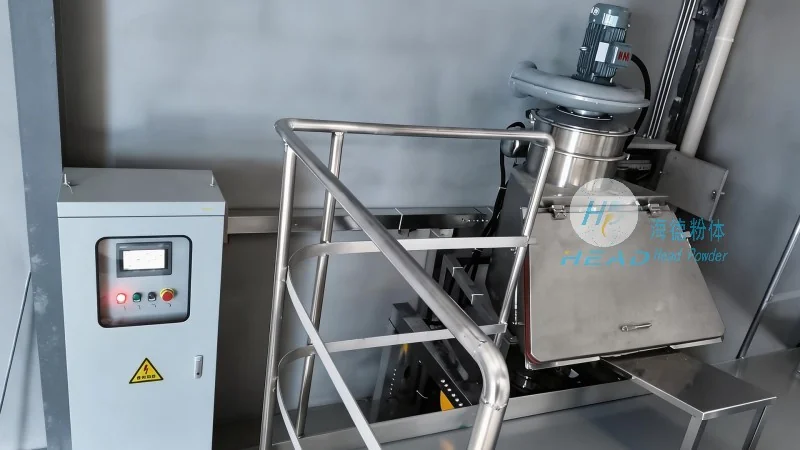
Key Features and Advantages of the System
Clay coal powder pneumatic conveying lines offer numerous benefits that make them an attractive choice for industrial applications. One of the primary advantages is their ability to handle fine, abrasive powders without causing excessive wear on equipment components. The system also provides a dust-free operation environment, which is crucial for maintaining workplace safety and compliance with environmental regulations. Additionally, pneumatic conveying systems can be designed to operate at various pressures, allowing for flexibility in handling different material characteristics and distances. The compact design of these systems saves valuable floor space in industrial facilities, and the reduced need for maintenance results in lower long-term operational costs.
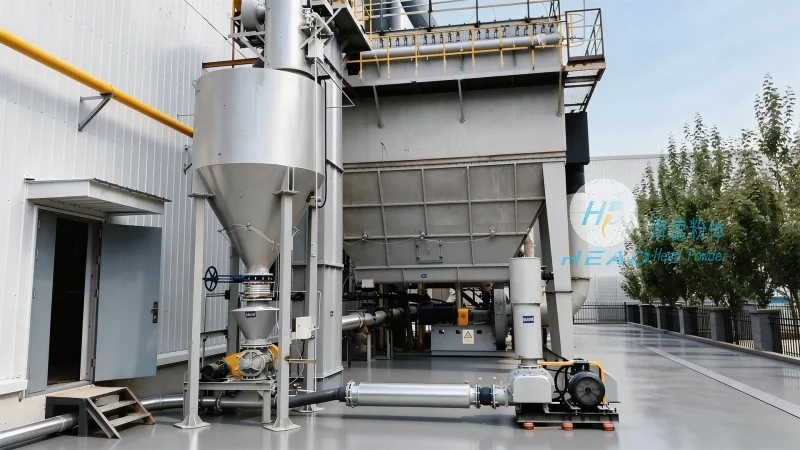
Application Scenarios in the Clay and Coal Powder Industry
In the ceramics industry, clay coal powder pneumatic conveying lines are used to transport raw materials from storage silos to production lines, ensuring a continuous and controlled supply of ingredients for pottery and tile manufacturing. In the construction materials sector, these systems help move coal powder for use in cement production or as a fuel source in industrial furnaces. The energy industry also benefits from such systems, as they efficiently transport coal powder to power plants for combustion. By streamlining the material handling process, these conveying lines contribute to increased production efficiency and reduced downtime in various industrial settings.
Conclusion and Contact Information
HeadPowder Engineering Co., Ltd. continues to innovate in the field of pneumatic conveying technology, providing customized solutions that meet the evolving needs of the clay and coal powder industries. With a strong commitment to quality and customer satisfaction, the company remains dedicated to delivering reliable and efficient systems that enhance operational performance. For more information about clay coal powder pneumatic conveying lines or other material handling solutions, please contact HeadPowder at its headquarters in Shandong, China.