

Desulfurization and Dust Removal Fly Ash Pneumatic Conveying System: Introduction to Structure and W
HeadPowder, a leading engineering company based in Shandong, China, specializes in the design, manufacturing, and installation of advanced industrial equipment, including the Desulfurization and Dust Removal Fly Ash Pneumatic Conveying System. This system is engineered to efficiently handle fly ash generated from flue gas desulfurization and dust removal processes in power plants and other industrial facilities. The following overview details the system's structure and operational principles, highlighting its key components and functional mechanisms.
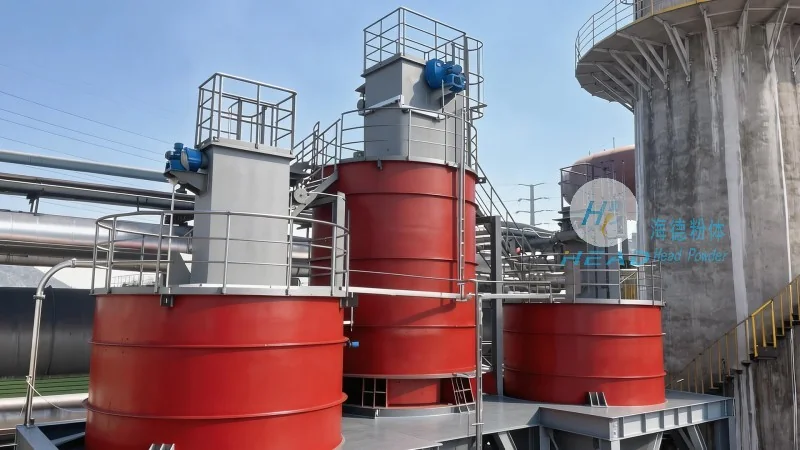
Overview of the Fly Ash Pneumatic Conveying System
The Desulfurization and Dust Removal Fly Ash Pneumatic Conveying System is a critical component in modern industrial waste management, designed to transport fly ash from collection points to disposal or utilization sites. The system operates on the principle of pneumatic conveying, which uses compressed air to move particulate materials through a pipeline network. This method offers advantages such as high efficiency, minimal maintenance, and the ability to handle abrasive materials like fly ash without mechanical wear. The system is tailored to meet the specific requirements of industrial applications, ensuring reliable and continuous operation in demanding environments.
Key Components and Structure
The system comprises several essential components, each playing a vital role in the overall conveying process. The primary components include the ash collection hopper, the air compressor unit, the conveying pipeline, the dust separator, and the ash discharge system. The ash collection hopper is designed to accumulate fly ash from the desulfurization and dust removal equipment, providing a storage area that can be easily accessed for material transfer. The air compressor unit generates the necessary pressure to drive the air flow through the pipeline, ensuring the fly ash is propelled efficiently. The conveying pipeline is constructed from durable materials, such as stainless steel or high-density polyethylene, to withstand the abrasive nature of fly ash and resist corrosion. The dust separator, typically a cyclone or bag filter, is integrated to remove any fine particles from the air stream, preventing contamination and ensuring compliance with environmental regulations. The ash discharge system, including discharge valves and storage containers, allows for the controlled release of fly ash to the designated disposal or utilization site.
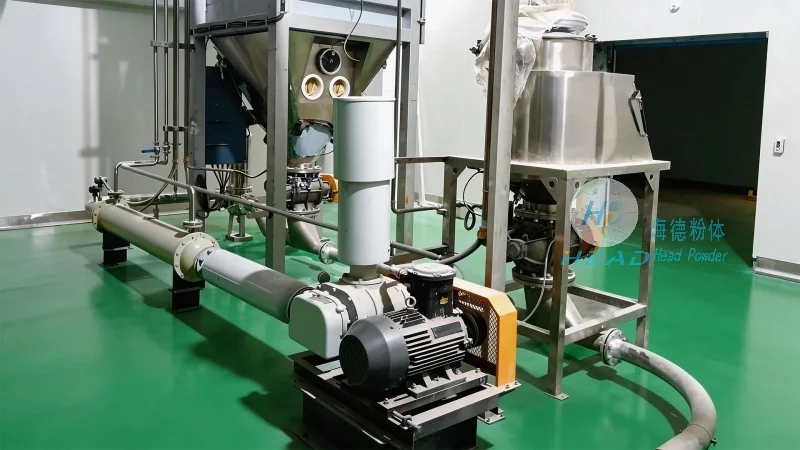
Working Principle of the Pneumatic Conveying Process
The operational principle of the Desulfurization and Dust Removal Fly Ash Pneumatic Conveying System involves a sequence of steps that ensure the efficient transport of fly ash. The process begins with the accumulation of fly ash in the collection hopper. Once the hopper reaches a certain level, the air compressor starts, generating compressed air that is introduced into the conveying pipeline. The compressed air creates a low-pressure zone within the pipeline, which draws the fly ash particles into the air stream. As the air and ash mixture travels through the pipeline, the velocity of the air is maintained at a level sufficient to keep the particles suspended, preventing blockages and ensuring smooth flow. The mixture then reaches the dust separator, where the air is separated from the ash particles. The separated ash is collected in the discharge system, while the cleaned air is either vented to the atmosphere or recirculated back to the system for energy efficiency. This continuous cycle allows for the consistent and reliable transport of fly ash, minimizing downtime and maximizing operational efficiency.
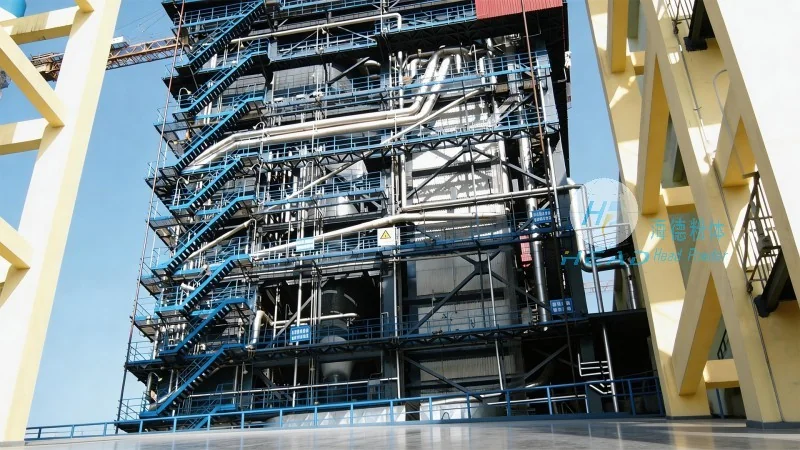
Advantages and Applications
The Desulfurization and Dust Removal Fly Ash Pneumatic Conveying System offers several advantages that make it a preferred choice for industrial applications. These include high conveying efficiency, which ensures that fly ash is transported over long distances with minimal loss. The system also provides flexibility in terms of pipeline layout, allowing for the integration of multiple collection points and discharge locations. Additionally, the pneumatic conveying method reduces the risk of material handling and exposure to hazardous substances, enhancing workplace safety. The system is widely used in power plants, cement factories, and other industrial facilities that generate fly ash as a byproduct of flue gas treatment. By efficiently managing fly ash, the system contributes to environmental compliance and resource utilization, aligning with sustainable industrial practices.
Conclusion
HeadPowder's Desulfurization and Dust Removal Fly Ash Pneumatic Conveying System represents a sophisticated solution for the efficient handling of fly ash in industrial settings. Through its robust design and reliable operational principles, the system ensures that fly ash is transported safely and effectively, supporting the environmental and operational goals of industrial facilities. With a focus on quality and performance, HeadPowder continues to provide innovative engineering solutions that meet the evolving needs of the industry. The system's integration of advanced components and efficient process design makes it a valuable asset for any facility seeking to optimize its waste management processes.