

Introduction to Dilute Phase Pneumatic Conveying Systems and Their Structural Principles
HeadPowder, a leading manufacturer based in Shandong, China, specializes in the design and production of dilute phase pneumatic conveying systems. These systems are essential in various industrial applications for efficient material handling and transportation. This article provides an overview of the basic structure and operational principles of dilute phase pneumatic conveyors, highlighting their key components and how they function to ensure reliable and effective material transport.
Understanding Dilute Phase Pneumatic Conveying
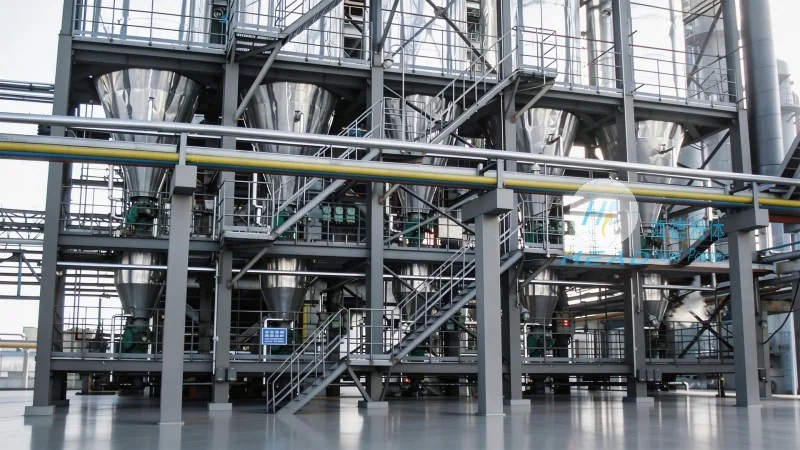
Dilute phase pneumatic conveying systems are designed to transport bulk materials in a low concentration of particles suspended in a gas stream. Unlike dense phase systems, where materials are conveyed in a more compacted form, dilute phase systems operate with a higher velocity of the conveying air, resulting in a more dispersed particle distribution. This method is particularly suitable for materials that are non-abrasive, free-flowing, and require long-distance transport with minimal pressure drop and energy consumption.
Core Components of a Dilute Phase Pneumatic Conveying System
The dilute phase pneumatic conveying system consists of several critical components that work in tandem to achieve efficient material transport. The primary components include the material feed hopper, the air supply system (typically a blower or compressor), the conveying pipeline, the control valves, and the discharge equipment. Each component plays a vital role in the overall operation of the system.
1. **Material Feed Hopper**: This component is responsible for storing and feeding the bulk material into the conveying system. It often includes a hopper with a feeder, such as a rotary valve or a star feeder, which controls the flow rate of the material into the pipeline. The design of the hopper ensures that the material is introduced smoothly into the air stream, minimizing blockages and ensuring consistent feed.
2. **Air Supply System**: The air supply system provides the necessary pressure and volume of air to move the material through the pipeline. In dilute phase systems, a positive displacement blower or a centrifugal fan is commonly used. The blower generates the required airflow, which is then directed into the conveying line. The air supply is critical as it determines the velocity and pressure within the system, directly affecting the conveying capacity and distance.
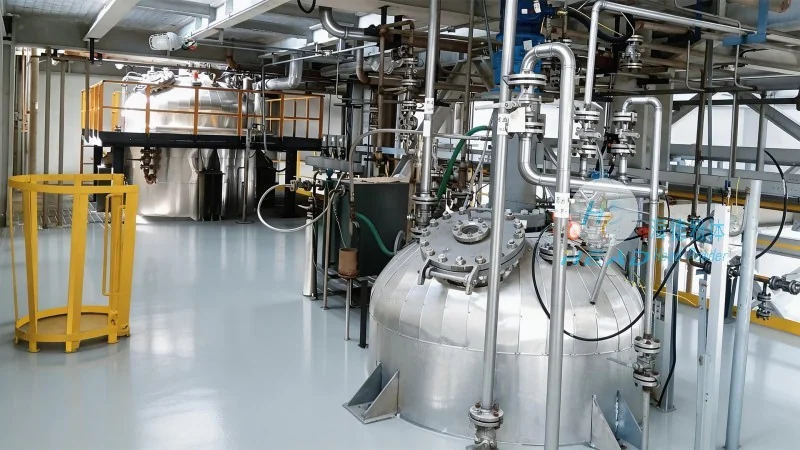
3. **Conveying Pipeline**: The pipeline is the main channel through which the material and air travel. It is typically made of stainless steel or other corrosion-resistant materials to withstand the abrasive nature of the conveyed materials and the effects of the air stream. The pipeline is designed with appropriate bends and fittings to maintain the flow velocity and prevent particle settling or blockages. The diameter and length of the pipeline are carefully selected based on the material characteristics and the required conveying distance.
4. **Control Valves**: Control valves are used to regulate the flow of air and material within the system. They include inlet and outlet valves, as well as check valves to prevent backflow. These valves allow for precise control of the conveying process, enabling adjustments to the flow rate and pressure as needed. They are essential for maintaining system stability and preventing damage to the equipment.
5. **Discharge Equipment**: The discharge equipment is responsible for releasing the material from the pipeline at the destination point. This can include a rotary valve, a baghouse, or a silo. The design of the discharge equipment ensures that the material is discharged smoothly and without causing blockages or spillage. It is typically equipped with a filter or separator to remove any residual particles from the air before it is released into the environment.
Operational Principles of Dilute Phase Pneumatic Conveying
The operational principle of a dilute phase pneumatic conveying system is based on the suspension of particles in a high-velocity air stream. The material is introduced into the pipeline at a controlled rate, and the air flow provides the necessary force to keep the particles suspended and move them along the pipeline. The key to efficient operation is maintaining a sufficient air velocity to prevent particle settling and ensure smooth transport.
When the material is fed into the pipeline, it is mixed with the air stream, creating a dilute suspension. The air velocity must be high enough to overcome the gravitational forces acting on the particles, allowing them to be carried through the pipeline. The system operates under positive pressure, meaning that the air pressure is higher than the ambient pressure, which helps to maintain the flow and prevent air leakage.
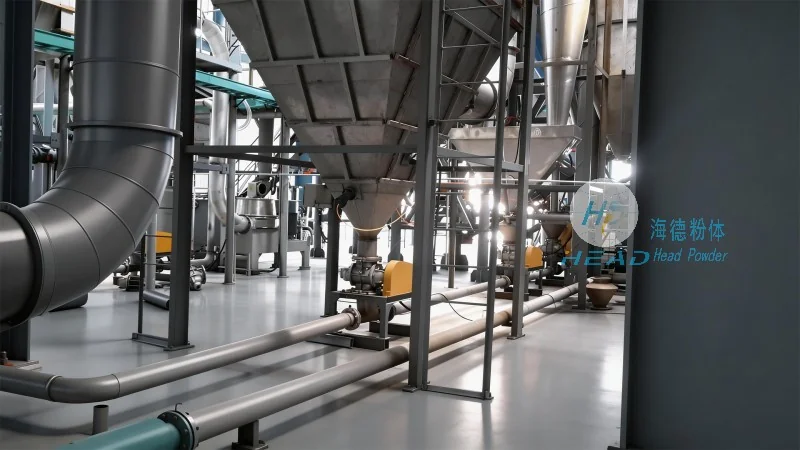
The conveying process continues until the material reaches the discharge point, where it is collected and stored. The air, now containing any residual particles, is then filtered and released. The entire process is controlled by the system's control valves and sensors, which monitor the pressure, flow rate, and material level to ensure optimal performance.
Advantages of Dilute Phase Pneumatic Conveying Systems
Dilute phase pneumatic conveying systems offer several advantages over other material handling methods. One of the primary advantages is the ability to transport materials over long distances with minimal pressure drop. This reduces the energy consumption and the need for additional equipment, such as pumps or conveyors. Additionally, these systems are highly flexible and can be easily integrated into existing industrial processes.
Another advantage is the ability to handle a wide range of materials, from fine powders to granules. The system can be customized to suit the specific characteristics of the material, ensuring efficient and reliable transport. Furthermore, dilute phase systems are relatively simple in design and operation, making them easy to maintain and repair.
These systems also provide a clean and dust-free environment, as the material is enclosed within the pipeline and the air is filtered before release. This is particularly important in industries where dust control is a critical concern, such as food processing, pharmaceuticals, and chemical manufacturing.
Applications of Dilute Phase Pneumatic Conveying
Dilute phase pneumatic conveying systems are widely used in various industries for the transport of bulk materials. Some common applications include the handling of powders and granules in the food and pharmaceutical industries, the transport of chemicals and minerals in the chemical and mining industries, and the handling of plastics and resins in the manufacturing industry.
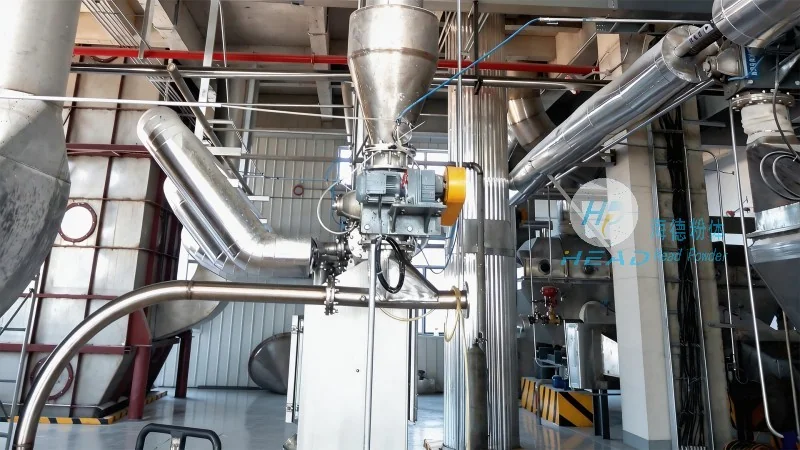
In the food industry, these systems are used to transport ingredients such as flour, sugar, and spices, ensuring that the materials are handled in a hygienic and dust-free environment. In the pharmaceutical industry, dilute phase systems are used to transport active ingredients and other powders, maintaining the purity and quality of the materials.
In the chemical industry, these systems are used to transport chemicals, minerals, and other bulk materials, ensuring efficient and safe handling. The systems are designed to handle corrosive and abrasive materials, making them suitable for a wide range of applications.
In the manufacturing industry, dilute phase systems are used to transport plastics, resins, and other materials, enabling the integration of material handling into the production process. The systems are highly flexible and can be easily adapted to different production requirements.
Conclusion
Dilute phase pneumatic conveying systems are an essential component in modern industrial material handling. With their efficient and reliable operation, these systems offer a cost-effective solution for transporting bulk materials over long distances. HeadPowder, as a leading manufacturer based in Shandong, China, provides high-quality dilute phase pneumatic conveying systems that are designed to meet the specific needs of various industries. By understanding the core components and operational principles of these systems, users can make informed decisions about their material handling requirements and ensure optimal performance and efficiency.