

Bean Powder Conveying Methods: Options and Strategies
When it comes to transporting bean powder, selecting the right conveying method is crucial for maintaining product quality, efficiency, and operational safety. The choice of method depends on various factors including the physical properties of the bean powder, the scale of the operation, and the specific requirements of the processing line. In this article, we explore several common and effective bean powder conveying methods, providing insights into their applications and benefits.
Understanding the Basics of Bean Powder Conveying
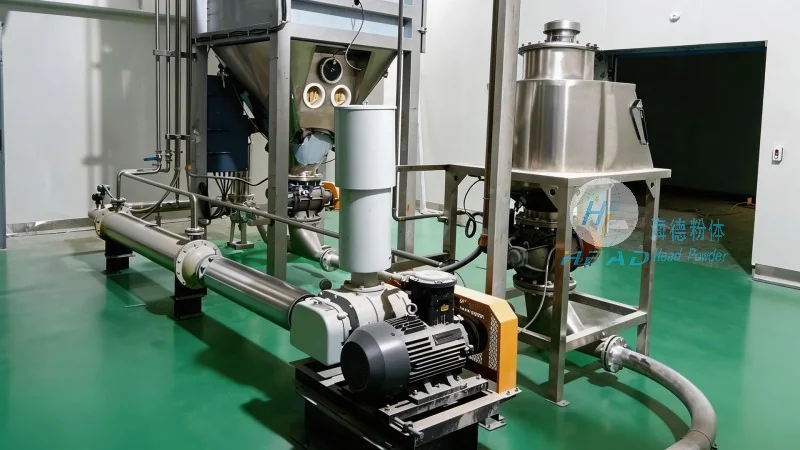
Bean powder, with its fine particles and potential for static electricity, requires specialized handling to prevent clogging, dust generation, and loss of product integrity. Conveying systems must be designed to handle these challenges while ensuring smooth and continuous material flow. The primary goal is to move the powder from one point to another with minimal degradation and maximum efficiency. This section outlines the key considerations before delving into specific conveying methods.
Common Conveying Methods for Bean Powder
Several technologies are widely used in the industry for bean powder transport. Each method has its own advantages and is suited to different operational scenarios. Understanding these options helps in making an informed decision that aligns with production goals and budget constraints.
Air-Flow (Pneumatic) Conveying Systems
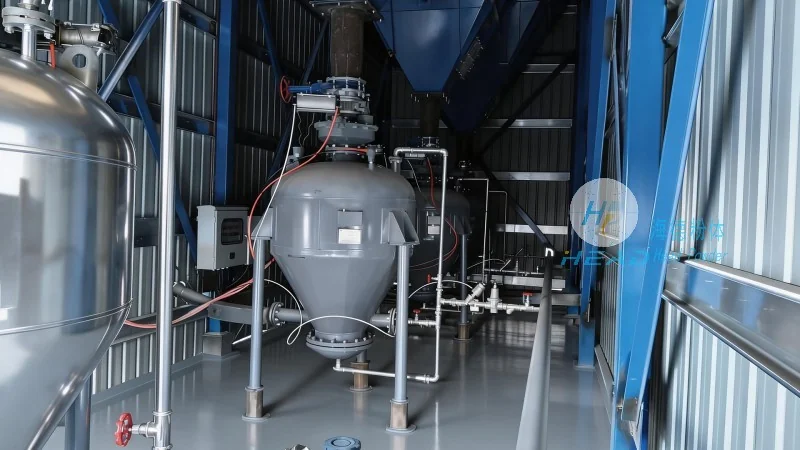
Air-flow or pneumatic conveying is one of the most popular methods for handling fine powders like bean powder. This system uses compressed air to move the material through a pipeline. There are two main types: dilute-phase and dense-phase conveying. Dilute-phase systems are suitable for short distances and low to medium capacities, while dense-phase systems are ideal for longer distances and higher capacities, offering better control over material flow and reduced pressure drops. The primary benefits include gentle handling, minimal product degradation, and the ability to transport materials over long distances without the need for multiple transfer points. However, they require proper air filtration and maintenance to prevent dust accumulation and system blockages.
Screw (Auger) Conveyors
Screw conveyors, also known as auger conveyors, are another effective option for bean powder transport. These systems consist of a rotating screw inside a tube, which pushes the material forward. Screw conveyors are particularly useful for horizontal or slightly inclined transport and are well-suited for handling bulk materials with moderate to high flow rates. They are relatively simple in design, making them cost-effective and easy to install. The main advantages include low maintenance requirements, the ability to operate in a closed system to contain dust, and consistent material flow. However, they may not be suitable for very fine powders that can cause wear on the screw and tube, and they can generate significant heat if the material is highly abrasive.
Vibrating Conveyors
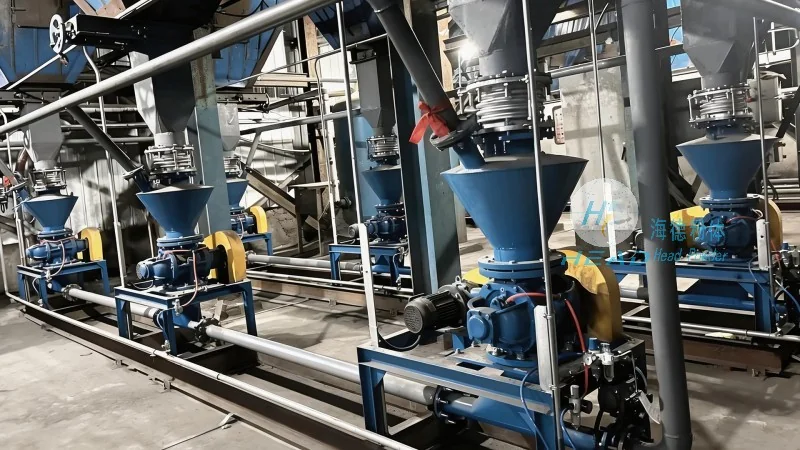
Vibrating conveyors use mechanical vibrations to move bean powder along a trough. The system consists of a conveyor bed that vibrates at specific frequencies, causing the material to move forward. This method is effective for handling materials with poor flow characteristics, such as cohesive or sticky bean powders. Vibrating conveyors are gentle on the product, reducing the risk of particle breakage and maintaining product quality. They are also suitable for inclined or vertical transport, making them versatile for various processing layouts. The key benefits include low power consumption, minimal maintenance, and the ability to handle a wide range of particle sizes and moisture contents. However, they may not be as efficient for high-capacity applications and require proper alignment to ensure smooth operation.
Selection Criteria for Bean Powder Conveying Systems
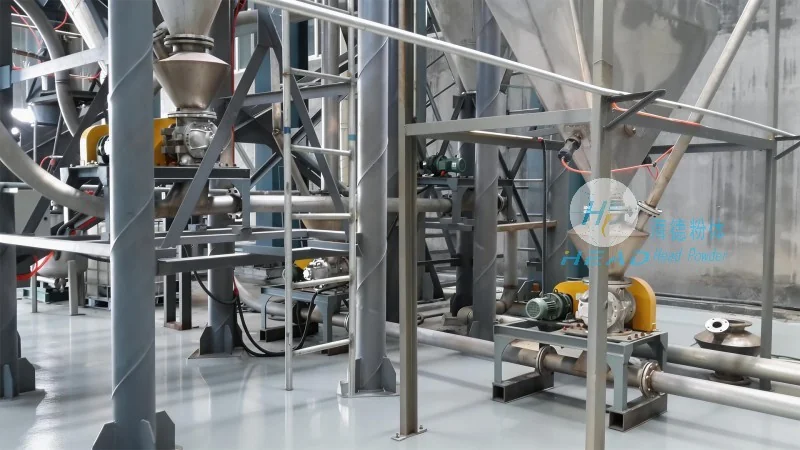
Choosing the right conveying method for bean powder involves evaluating several factors. The first consideration is the physical properties of the powder, including particle size, density, and moisture content. Fine powders with high moisture content may require systems that prevent clumping and maintain dryness. The second factor is the distance and layout of the processing facility. For short distances, a simple screw conveyor might suffice, while longer distances may necessitate pneumatic systems. The third factor is the required capacity and flow rate. High-volume operations may benefit from dense-phase pneumatic systems or multiple screw conveyors working in parallel. Additionally, the need for dust control and product containment is critical, especially in food processing environments where hygiene and safety are paramount. Companies must also consider the initial investment cost versus long-term operational efficiency and maintenance requirements.
Conclusion: Making the Right Choice for Your Bean Powder Conveying Needs
Effective bean powder conveying is essential for maintaining the quality and efficiency of food processing operations. By understanding the different methods available and evaluating them based on specific operational requirements, businesses can select the most suitable system. Whether opting for air-flow, screw, or vibrating conveyors, the goal is to ensure smooth, safe, and reliable transport of bean powder. For companies in the food industry, partnering with experienced manufacturers like Shandong HeadPowder Engineering Co., Ltd. can provide tailored solutions that meet both current and future processing needs. With a focus on quality and innovation, such companies offer comprehensive support from system design to installation and maintenance, helping businesses optimize their bean powder handling processes and enhance overall productivity.