

What Methods Are Available for Silica Sand Conveying?
When it comes to transporting silica sand, selecting the right conveying method is crucial for ensuring efficiency, cost-effectiveness, and operational safety. Silica sand, a key raw material in various industries such as glass manufacturing, foundries, and construction, requires reliable and efficient transport solutions to maintain production continuity. This article explores several common methods used for silica sand conveying, highlighting their applications, advantages, and considerations.
1. Belt Conveyor Systems
Belt conveyors are one of the most widely used methods for silica sand transportation due to their versatility and ability to handle large volumes of material over long distances. These systems consist of a continuous loop of a flat or troughed belt that moves material from the loading point to the discharge point. The belt is supported by rollers and driven by a motor, allowing for smooth and consistent movement of silica sand. One of the primary advantages of belt conveyors is their high capacity, making them suitable for bulk material handling in mining, quarrying, and processing plants. Additionally, belt conveyors can be customized with different belt widths and trough angles to accommodate varying particle sizes and flow rates of silica sand. For instance, in a glass production facility, a belt conveyor might transport raw silica sand from storage silos to the melting furnace, ensuring a steady supply of material for the manufacturing process. The durability of the belt and the robust construction of the conveyor frame also make it suitable for heavy-duty applications where silica sand may contain abrasive particles that could otherwise damage other types of equipment.
2. Screw Conveyors
Screw conveyors, also known as auger conveyors, are another effective method for transporting silica sand, particularly in applications where the material needs to be moved vertically or at a moderate angle. These systems use a rotating screw (auger) inside a cylindrical housing to push material forward. The screw's pitch and diameter can be adjusted to control the speed and volume of material transport. Screw conveyors are ideal for handling fine or granular materials like silica sand, as the screw's design prevents material from falling back or becoming stuck. In a foundry operation, a screw conveyor might be used to transport silica sand from a hopper to a mixing machine, ensuring consistent feeding of the raw material. The compact design of screw conveyors makes them suitable for spaces with limited horizontal or vertical space, and they can operate in both horizontal and inclined configurations. However, it's important to note that screw conveyors may not be as efficient for very large or heavy silica sand particles, as the screw's torque and power requirements increase with particle size. Regular maintenance, such as checking the screw's wear and the housing's integrity, is essential to prevent breakdowns and ensure reliable operation.
3. Pneumatic Conveying Systems
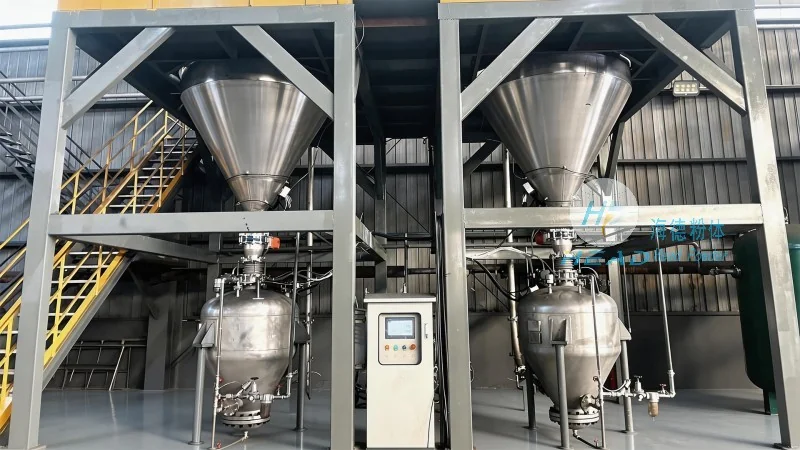
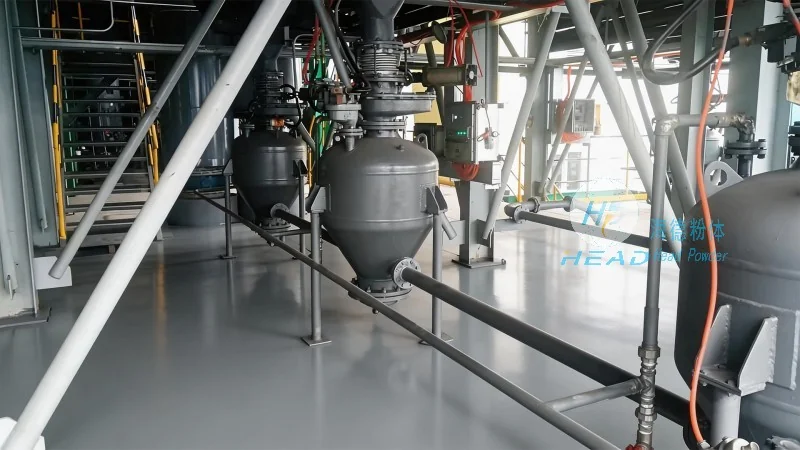
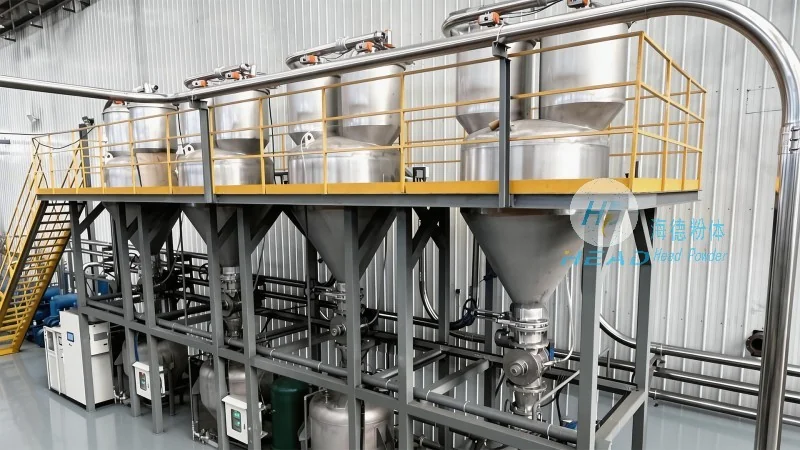
Pneumatic conveying systems use air or other gases to transport silica sand in a closed pipeline system. These systems are particularly useful for applications that require dust control, as the material is contained within the pipeline, reducing environmental impact and health hazards. There are two main types of pneumatic conveying: dilute-phase and dense-phase. Dilute-phase systems use high-velocity air to suspend the silica sand particles and transport them through the pipeline, while dense-phase systems use lower air velocities to push the material in a slurry-like state. Pneumatic conveying is ideal for transporting silica sand over short to medium distances, such as from a storage silo to a processing unit within a facility. In a construction material plant, a pneumatic conveyor might be used to move silica sand from a bulk storage area to a mixing station, ensuring a clean and efficient transfer process. The flexibility of pneumatic systems allows for multiple discharge points and the ability to integrate with other processing equipment. However, the initial cost of pneumatic conveying systems can be higher than other methods, and the energy consumption is typically greater due to the need to maintain air pressure. Additionally, the system requires regular cleaning to prevent material buildup and clogging, which can affect performance.
4. Bucket Elevators
Bucket elevators are a vertical conveying method commonly used for transporting silica sand from lower to higher levels, such as from a ground-level storage area to an elevated processing unit. These systems consist of a vertical or inclined conveyor with a series of buckets attached to a belt or chain. As the conveyor rotates, the buckets scoop up the silica sand at the bottom and carry it upward, releasing the material at the top. Bucket elevators are highly efficient for vertical transport and can handle large volumes of material with minimal space requirements. In a glass manufacturing plant, a bucket elevator might be used to lift silica sand from a silo to the top of a furnace, ensuring a continuous supply of raw material for the melting process. The enclosed design of bucket elevators prevents dust and material loss, making them suitable for applications where environmental control is important. However, bucket elevators have higher maintenance requirements compared to other systems, as the buckets and chains are subject to wear and tear from the abrasive silica sand particles. Regular inspection and replacement of worn components are necessary to maintain optimal performance and prevent breakdowns.
5. Hydraulic Conveying
Hydraulic conveying systems use water or a slurry to transport silica sand through a pipeline. This method is particularly effective for long-distance transport, as the slurry can be pumped over considerable distances with relatively low energy consumption. The silica sand is mixed with water to form a slurry, which is then pumped through the pipeline to the destination. At the discharge point, the slurry is separated, and the water is reclaimed for reuse. Hydraulic conveying is commonly used in mining operations where silica sand is extracted from underground mines and transported to processing facilities. The advantage of this method is its ability to handle very fine or wet silica sand particles that might be difficult to transport using other methods. However, hydraulic systems require significant infrastructure, including pumps, pipelines, and separation equipment, which can increase the initial investment. The system also needs to be carefully designed to prevent clogging and ensure proper flow rates, as the slurry's viscosity and particle size distribution can affect performance. Regular maintenance, such as cleaning the pipelines and checking pump efficiency, is essential to maintain the system's reliability.
6. Vibrating Conveyors
Vibrating conveyors use vibrations to move silica sand along a trough or conveyor bed. These systems consist of a conveyor with a vibrating mechanism that causes the material to move forward due to the vibration's frequency and amplitude. Vibrating conveyors are suitable for transporting bulk materials like silica sand over short to medium distances, especially in applications where the material needs to be moved at a slight angle or in a compact space. The design of vibrating conveyors allows for easy integration with other equipment, such as hoppers and feeders, making them a versatile option for various industrial processes. In a construction material processing plant, a vibrating conveyor might be used to transport silica sand from a storage hopper to a screening machine, ensuring a consistent flow of material for further processing. The low maintenance requirements of vibrating conveyors make them an economical choice for many applications, as they have fewer moving parts compared to other conveying systems. However, the efficiency of vibrating conveyors can be affected by the material's properties, such as its moisture content and particle size, which may cause the material to stick to the conveyor surface. Proper adjustment of the vibration frequency and amplitude is necessary to optimize performance and prevent material buildup.
7. Combination Systems
In many industrial settings, a single conveying method may not be sufficient to meet all the requirements for silica sand transport. Therefore, combination systems that integrate multiple types of conveyors are often used. For example, a facility might use a belt conveyor to transport silica sand from a storage silo to a processing area, and then use a screw conveyor to move the material vertically to a higher level. This combination allows for efficient handling of large volumes of material while optimizing space and energy use. Combination systems are particularly common in large-scale production facilities where the transport process involves multiple stages and varying distances. The use of combination systems requires careful planning and integration to ensure smooth operation and minimal downtime. It's important to consider factors such as material flow rates, distance, and vertical or horizontal movement when designing a combination system for silica sand conveying. By combining different conveying methods, industrial operations can achieve greater flexibility and efficiency in their material handling processes.
When selecting a conveying method for silica sand, it's essential to evaluate factors such as the material's properties, the distance to be covered, the required capacity, and the available space. Each method has its own advantages and limitations, and the best choice depends on the specific application and operational needs. For instance, belt conveyors are ideal for long-distance horizontal transport, while screw conveyors are better suited for vertical or inclined transport of fine materials. Pneumatic systems offer dust control and flexibility, while bucket elevators are efficient for vertical lifting. By understanding the characteristics of each method and considering the specific requirements of the silica sand transport process, industrial operators can choose the most suitable conveying system to ensure reliable and efficient operation. The choice of conveying method not only affects the efficiency of the production process but also impacts the overall cost and safety of the operation. Therefore, careful consideration and planning are necessary to select the optimal conveying solution for silica sand transportation.