

Technical Parameters and Conveying System Process for Shredded Paper Dust
HeadPowder, a leading engineering company based in Shandong, China, specializes in the design and implementation of advanced systems for handling shredded paper dust. This article provides a detailed overview of the technical parameters and the conveying system process, highlighting the company's expertise in optimizing material transport and processing efficiency.
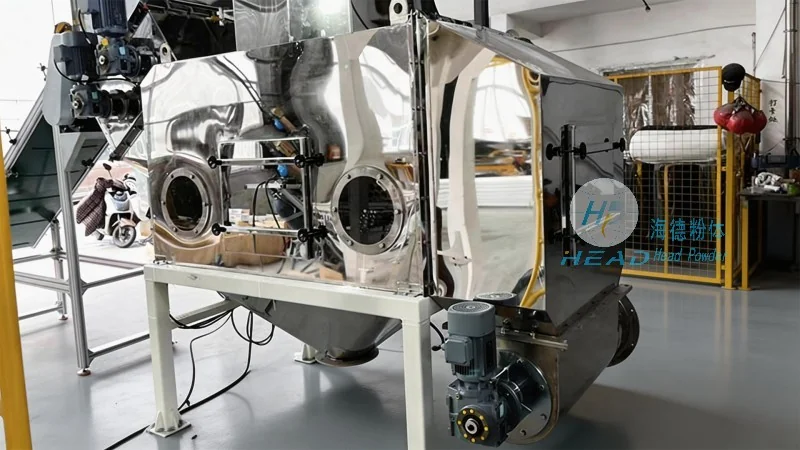
Company Profile and Core Information
HeadPowder Engineering Co., Ltd. is a professional manufacturer and supplier in the field of industrial material handling solutions. The company, operating from its base in Shandong, China, focuses on delivering high-quality equipment tailored to the specific needs of waste management and recycling industries. With a commitment to innovation and precision, HeadPowder ensures that its systems meet the rigorous standards required for efficient shredded paper dust processing.
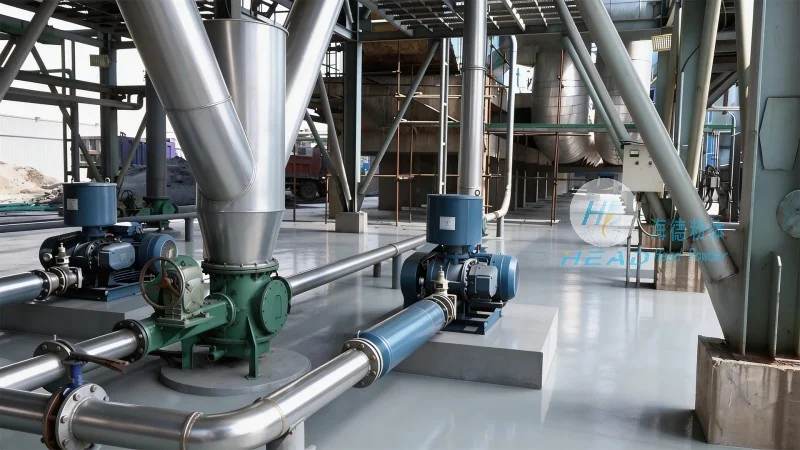
Technical Parameters of Shredded Paper Dust
The technical parameters of shredded paper dust are crucial for designing an effective conveying system. Shredded paper dust typically exhibits characteristics such as low bulk density, high moisture content, and fine particle size, which can impact the performance of traditional conveying methods. Key parameters include: particle size distribution, moisture content, bulk density, and dust generation rate. These factors are carefully considered to ensure the conveying system can handle the material without clogging or loss of efficiency. For instance, the average particle size of shredded paper dust may range from 0.5 to 5 millimeters, with moisture levels often between 5% to 15% depending on the source material. The bulk density of the material is generally around 50 to 80 kg/m³, which influences the required conveyor capacity and power consumption.
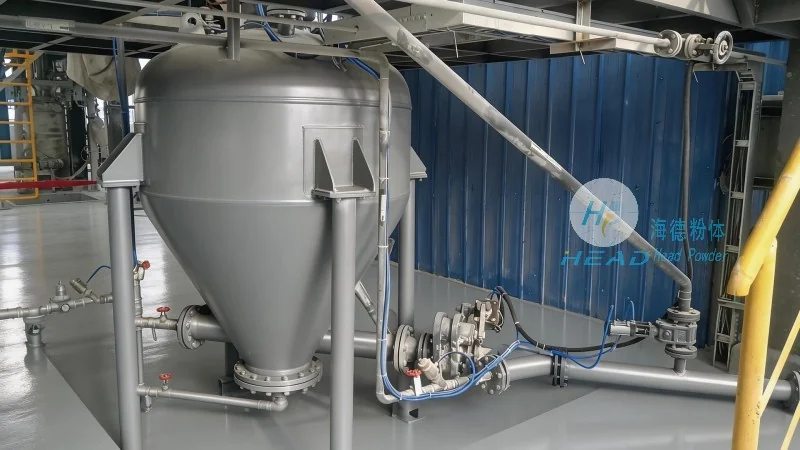
Conveying System Design and Components
The conveying system for shredded paper dust is engineered to address the unique challenges posed by this material. A typical system includes several key components: a feeding hopper, a screw conveyor or pneumatic conveyor, a dust collection unit, and a control panel. The feeding hopper is designed to accommodate the bulk material and ensure a consistent flow into the conveyor. The screw conveyor, often made of stainless steel or high-density plastic, is chosen for its ability to handle fine particles without blockages. It operates at a speed adjustable to match the material's flow characteristics, typically ranging from 20 to 80 rpm. The pneumatic conveyor, when used, employs air pressure to transport the dust, which is effective for long-distance or high-velocity applications. The dust collection unit, equipped with filters and cyclones, ensures that the system complies with environmental regulations by capturing fine particles and preventing air pollution.
Process Flow and Operational Efficiency
The conveying system operates through a systematic process that maximizes efficiency and minimizes downtime. The workflow begins with the material being fed into the hopper from the shredding unit. The material then moves through the screw conveyor, where it is transported to the collection or processing point. The control panel monitors key parameters such as flow rate, pressure, and temperature, allowing for real-time adjustments to maintain optimal performance. The system is designed to handle varying loads, from low to high, ensuring consistent output without compromising quality. HeadPowder's engineering team has optimized the system to reduce energy consumption while maintaining high throughput, making it a cost-effective solution for industrial applications.
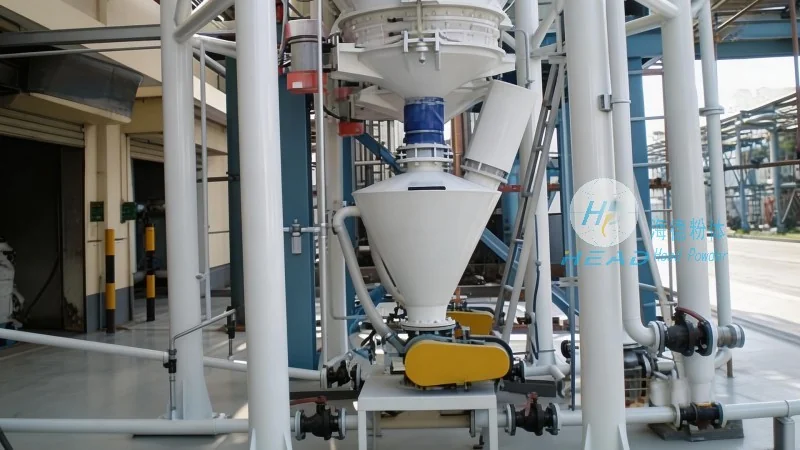
Advantages and Customization Options
HeadPowder's conveying system offers several advantages over traditional methods, including improved material handling efficiency, reduced maintenance costs, and enhanced safety features. The system is customizable to meet specific client requirements, such as varying conveyor lengths, different material types, or integration with existing equipment. The company provides tailored solutions that address the unique challenges of each project, ensuring that the system is both effective and reliable. Additionally, the use of high-quality materials and advanced manufacturing techniques ensures the longevity of the equipment, providing long-term value to clients.