

What Methods Can Be Used for Wheat Transportation?
Wheat transportation is a critical process in the agricultural and food processing industries, ensuring that this staple grain is moved efficiently from farms to storage facilities, processing plants, and ultimately to consumers. The choice of transportation method depends on various factors including the volume of wheat, the distance to be covered, the condition of the wheat (e.g., dry vs. wet), and the infrastructure available at the source and destination. This article explores the primary methods used for wheat transportation, highlighting the key considerations and applications of each approach.
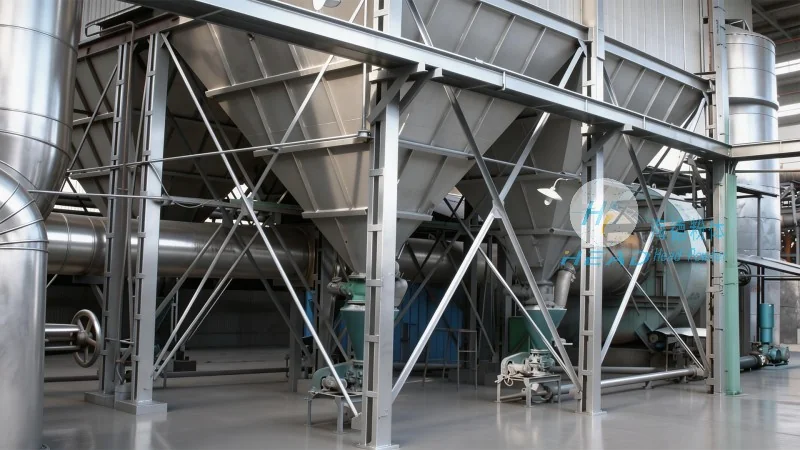
1. Mechanical Conveyors: The Traditional Workhorse
Mechanical conveyors, such as belt conveyors and screw conveyors, are among the most common and reliable methods for transporting wheat. Belt conveyors use a continuous belt that moves wheat from one point to another, making them ideal for horizontal or slightly inclined transport over short to medium distances. They are widely used in grain elevators, warehouses, and processing facilities due to their durability and ability to handle large volumes of wheat without damaging the grain. Screw conveyors, also known as augers, are particularly effective for vertical or inclined transport, as they can lift wheat from lower to higher levels with minimal power consumption. Both types of mechanical conveyors are designed to maintain the quality of the wheat by minimizing friction and preventing breakage, which is essential for preserving its nutritional value and marketability.
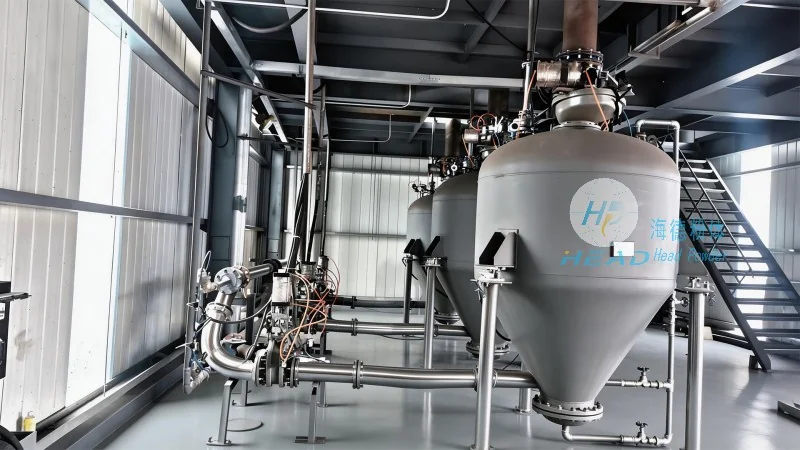
2. Pneumatic (Air) Conveying Systems
Pneumatic conveying systems use air pressure to transport wheat through a network of pipes. This method is highly efficient for moving wheat over longer distances and through complex layouts, as it can transport the grain in a closed system, reducing dust and contamination. There are two main types of pneumatic conveying: positive pressure and negative pressure. Positive pressure systems blow air into the pipe, pushing the wheat forward, while negative pressure systems create a vacuum that pulls the wheat into the pipe. Pneumatic systems are particularly suitable for transporting wheat from storage silos to processing plants or for moving grain between different parts of a large facility. They offer advantages such as speed, flexibility, and the ability to handle both dry and slightly moist wheat, though they require more energy than mechanical conveyors and may be more expensive to install.
3. Bucket Elevators
Bucket elevators are a specialized type of mechanical conveyor designed specifically for vertical transport of wheat. They consist of a vertical or inclined frame with a continuous chain or belt that carries buckets attached to it. As the buckets move up the frame, they scoop up wheat from a hopper at the bottom and discharge it at the top. Bucket elevators are highly efficient for lifting wheat from ground level to elevated storage silos or processing equipment, making them a critical component in many grain handling operations. They are known for their high capacity and ability to handle large volumes of wheat with minimal labor, though they require regular maintenance to ensure smooth operation and prevent wear on the buckets and chains.
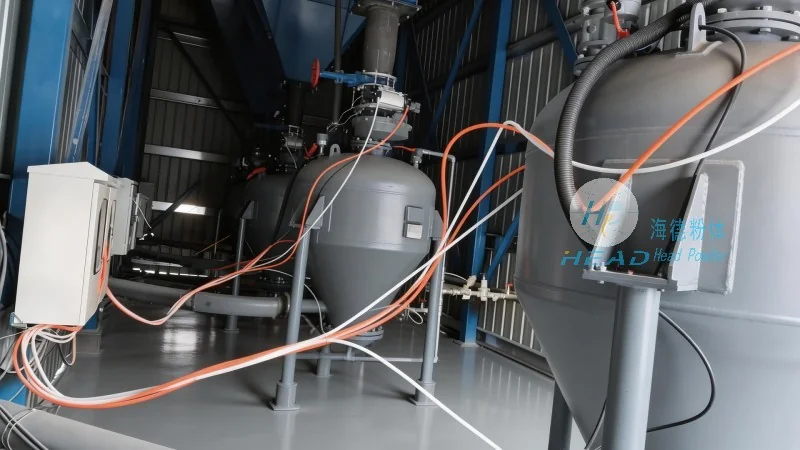
4. Screw Feeders and Augers
Screw feeders, often used in conjunction with other equipment, are designed to feed wheat into processing machinery at a controlled rate. They work by rotating a screw within a tube, which pushes the wheat forward. This method is particularly useful for feeding wheat into mills, cleaners, or other processing equipment where a consistent flow is required. Screw feeders are compact and can be easily integrated into existing systems, making them a popular choice for small to medium-scale operations. They are also effective for handling wheat that may have a higher moisture content or contain foreign materials, as the screw can be adjusted to handle different grain conditions. However, screw feeders may not be as efficient for long-distance transport and can generate more heat due to friction, which may affect the quality of the wheat if not properly managed.
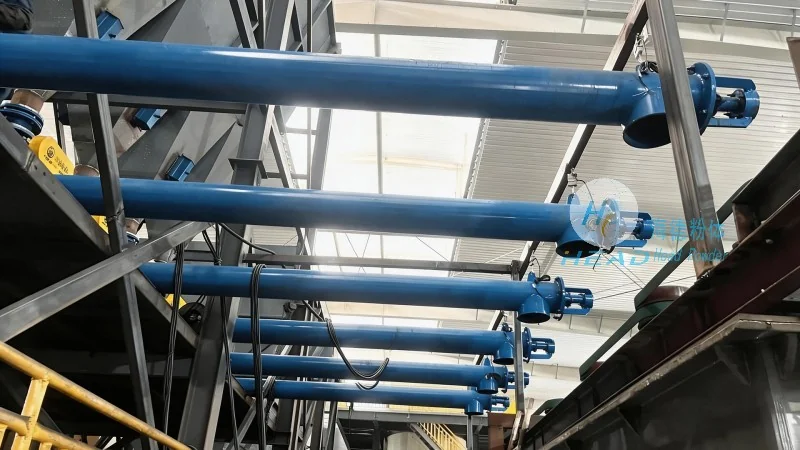
5. Gravity and Sloped Conveyors
Gravity and sloped conveyors rely on the natural force of gravity to move wheat from a higher to a lower level. These systems typically consist of a sloped belt or chute that allows wheat to slide down from one point to another. They are often used in grain elevators and storage facilities to move wheat from upper levels to lower levels or to transfer wheat between different storage bins. Gravity conveyors are simple, low-cost, and require minimal maintenance, making them an attractive option for short-distance transport where the terrain allows for a natural slope. However, they are limited by the need for a suitable incline and cannot be used for vertical transport or over long distances. They are most effective when the distance and elevation change are minimal, and the wheat is in a dry and free-flowing condition.
6. Combining Methods for Optimal Efficiency
In many large-scale wheat handling operations, a combination of the above methods is used to achieve optimal efficiency and flexibility. For example, a typical grain handling system might use a bucket elevator to lift wheat from the ground to an upper storage silo, then a pneumatic conveyor to transport the wheat from the silo to a processing plant, and finally a belt conveyor to move the processed wheat to packaging equipment. This integrated approach allows for the smooth flow of wheat from farm to market while minimizing downtime and maximizing throughput. The choice of method at each stage depends on the specific requirements of the operation, such as the distance to be covered, the volume of wheat, and the need to maintain grain quality. By combining different transportation methods, companies can create a customized system that meets their unique needs and ensures the efficient and safe handling of wheat.