

Resin Delivery Methods: Options for Efficient Resin Transport
When it comes to resin processing in industrial applications, the method of resin delivery plays a crucial role in ensuring efficiency, safety, and product quality. Resin, a key material in various manufacturing processes, requires reliable and effective transport systems to move it from storage to processing equipment. This article explores the primary methods used for resin delivery, highlighting the factors that influence the choice of each method and the advantages they offer.
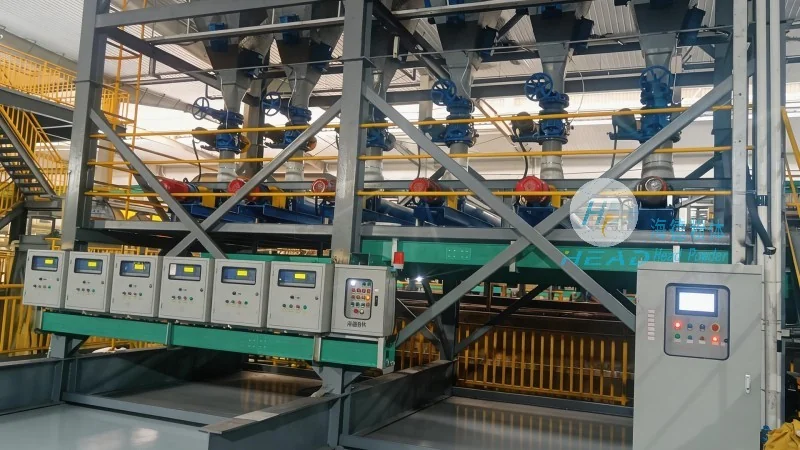
1. Pneumatic Conveying Systems
Pneumatic conveying is a widely used method for transporting resin, especially in applications where dust control and flexibility are essential. This system uses air pressure to move resin particles through a pipeline. There are two main types: pressure and vacuum systems. Pressure systems push resin with compressed air, while vacuum systems draw resin using a vacuum pump. The choice between these depends on the distance, volume, and type of resin being transported. Pneumatic conveying is particularly effective for fine powders and granules, as it minimizes product degradation and contamination. For instance, in the production of composites, pneumatic systems can deliver resin to mixing and molding equipment without the need for mechanical contact, preserving the material's properties.
2. Hydraulic Pumping Systems
Hydraulic pumping is another common approach for resin delivery, especially for viscous or high-density resins. These systems use hydraulic pumps to generate the necessary pressure to move resin through pipelines. The most common types include gear pumps, piston pumps, and diaphragm pumps. Gear pumps are suitable for low to medium viscosity resins, while piston pumps are ideal for high-viscosity materials. The hydraulic system can be integrated with control valves and pressure regulators to maintain consistent flow rates and pressure levels. This method is advantageous for applications requiring precise control over resin flow, such as in the manufacturing of high-performance parts where uniform resin distribution is critical. The hydraulic pumping system also allows for easy integration with other processing equipment, enabling seamless operation in production lines.
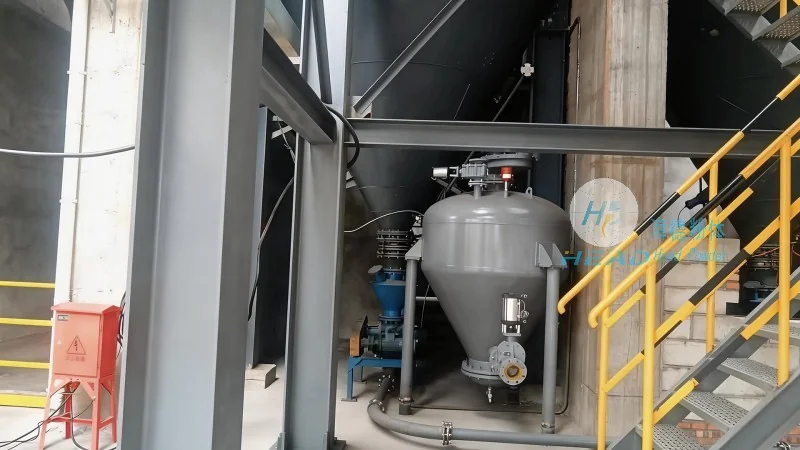
3. Gravity Flow Systems
Gravity flow systems utilize the natural force of gravity to transport resin from a higher to a lower level. This method is simple and cost-effective, making it suitable for applications where the resin storage and processing equipment are at different elevations. The resin is typically stored in a hopper or tank at a higher position and flows through a gravity-fed pipeline to the processing unit. This system is ideal for low-viscosity resins and small to medium volumes. However, it has limitations in terms of distance and flow rate, as the height difference must be sufficient to provide the necessary head pressure. Gravity flow systems are commonly used in industries like plastics and coatings, where the resin is relatively low in viscosity and the transport distance is short. The simplicity of this method reduces maintenance requirements and operational costs, making it a popular choice for many manufacturers.
4. Mechanical Conveying Systems
Mechanical conveying systems use mechanical components like screw conveyors, belt conveyors, or bucket elevators to transport resin. These systems are particularly effective for bulk resin handling and can handle a wide range of resin types, including powders, granules, and pellets. Screw conveyors, for example, use a rotating screw to move resin through a tube, providing a continuous and controlled flow. Belt conveyors are suitable for larger resin particles and can transport resin over longer distances. Mechanical conveyors are often used in combination with other systems, such as pneumatic or hydraulic, to achieve a more comprehensive resin delivery solution. The mechanical system offers high capacity and reliability, making it ideal for high-volume production environments. However, it requires regular maintenance to ensure smooth operation and prevent material buildup or wear on the components.
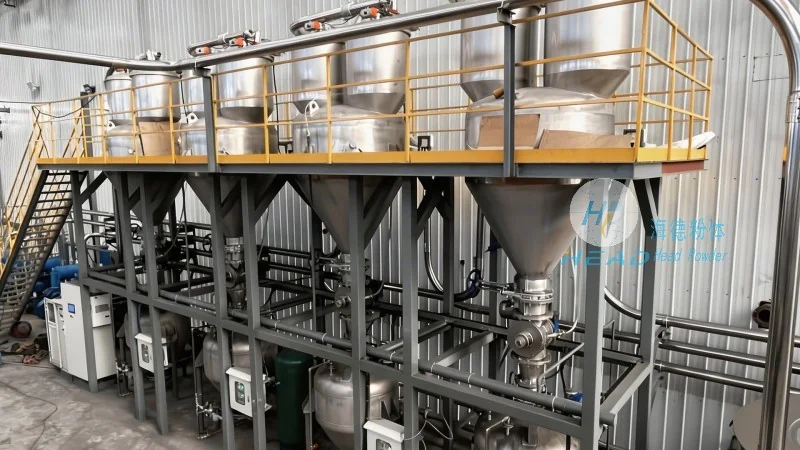
5. Integrated Resin Delivery Solutions
In modern manufacturing, many companies opt for integrated resin delivery solutions that combine multiple methods to meet specific operational needs. For instance, a system might use pneumatic conveying for fine powders and hydraulic pumping for viscous resins, with gravity flow for intermediate stages. This integrated approach allows for flexibility and adaptability in production processes, ensuring that resin is delivered efficiently and safely under varying conditions. The integration of sensors and control systems further enhances the performance of these solutions, enabling real-time monitoring of flow rates, pressure, and temperature. Such comprehensive systems are particularly beneficial for large-scale operations, where consistent resin delivery is critical to maintaining production throughput and product quality.
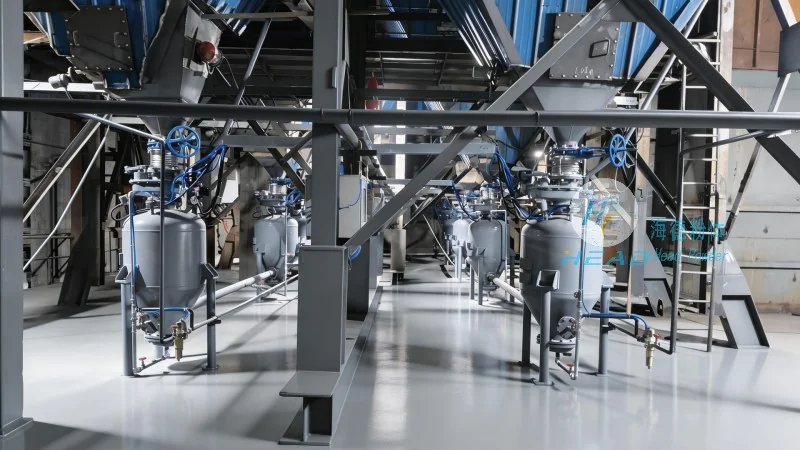
When selecting a resin delivery method, several factors must be considered, including the type of resin (e.g., powder, liquid, or viscous), the distance and elevation changes, the required flow rate, and the overall production environment. Each method has its strengths and limitations, and the choice should be based on a thorough evaluation of these factors. For instance, pneumatic systems excel in dust control and flexibility, while hydraulic systems offer precise control over flow. Gravity flow is cost-effective but limited by distance, and mechanical systems provide high capacity but require more maintenance. By understanding these aspects, manufacturers can choose the most suitable resin delivery method to optimize their operations and ensure consistent product quality.
Shandong HeadPowder Engineering Co., Ltd., a leading provider of resin processing solutions, specializes in designing and implementing efficient resin delivery systems tailored to the specific needs of their clients. With a focus on innovation and quality, the company offers a range of solutions that integrate the best features of different delivery methods. Their expertise in pneumatic, hydraulic, and mechanical systems ensures that clients receive customized solutions that enhance productivity and reduce operational costs. HeadPowder's commitment to customer satisfaction and technical excellence has made them a trusted partner in the resin processing industry. Located in Shandong, China, the company leverages its local resources and industry knowledge to deliver reliable and effective resin delivery solutions to manufacturers worldwide.