

Role of Pneumatic Conveying in Foam Conveying
Efficient material handling is a critical factor in many industrial processes, and the selection of appropriate conveying systems can significantly impact operational efficiency and product quality. Among the various methods available, pneumatic conveying stands out as a versatile and effective solution for transporting materials, including foam products. This article explores the role of pneumatic conveying in foam handling, highlighting its benefits and the expertise of Shandong HeadPowder Engineering Co., Ltd. in providing tailored solutions for this specialized application.
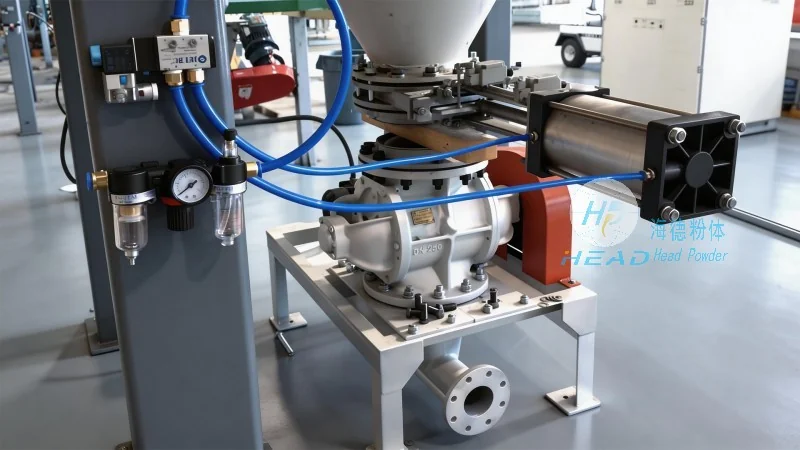
Pneumatic Conveying Systems: An Overview
Pneumatic conveying utilizes pressurized air or vacuum to move bulk materials through a pipeline. This method is particularly advantageous for handling materials that are lightweight, dusty, or have irregular shapes, such as foam. Unlike mechanical conveying systems that rely on physical contact and friction, pneumatic conveying minimizes product degradation and contamination, making it ideal for sensitive materials like foam. The system typically consists of a hopper, a conveyor line, and a receiver, with air being introduced to create a flow of material through the pipeline.
The Challenges of Foam Conveying and How Pneumatic Conveying Addresses Them
Conveying foam presents unique challenges due to its low density and tendency to collapse or degrade under pressure. Traditional methods, such as belt conveyors or screw conveyors, may cause foam to compact or lose its structural integrity, leading to reduced product quality and increased maintenance costs. Pneumatic conveying, however, offers a solution by using air to lift and transport foam particles without direct contact. This approach maintains the foam's original properties, ensuring that it reaches the destination with minimal deformation. Additionally, pneumatic systems can handle foam with varying densities and compositions, making them adaptable to different industrial needs.
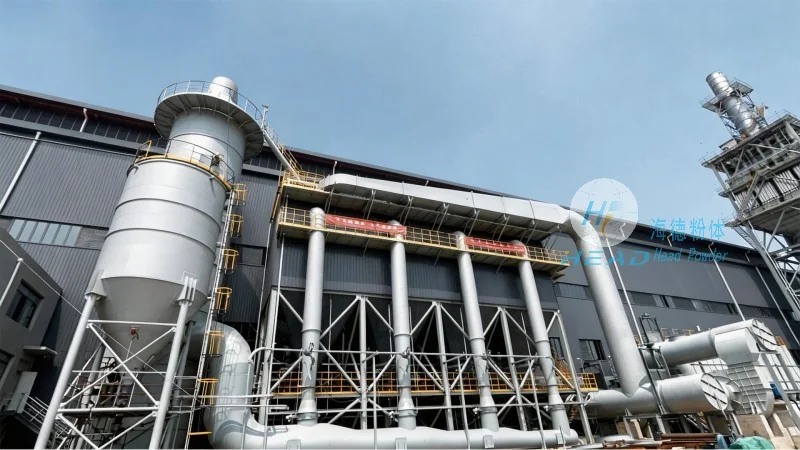
HeadPowder's Expertise in Pneumatic Conveying for Foam Handling
Shandong HeadPowder Engineering Co., Ltd., a leading provider of material handling solutions, specializes in designing and manufacturing pneumatic conveying systems tailored to the specific requirements of foam processing. With years of experience in the industry, HeadPowder has developed advanced technologies that address the unique challenges of foam conveying. The company's team of engineers and technicians works closely with clients to understand their operational needs and provide customized solutions that optimize performance and efficiency.
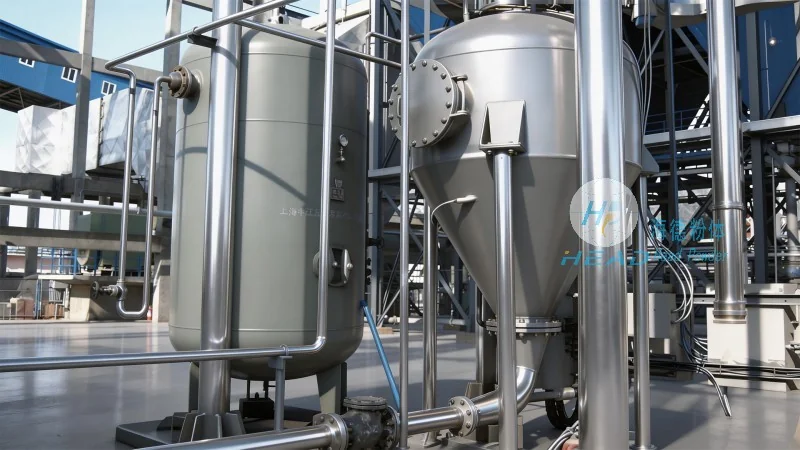
Key Features of HeadPowder's Pneumatic Conveying Solutions
HeadPowder's pneumatic conveying systems for foam handling are equipped with several key features that enhance their effectiveness. These include high-efficiency air pumps that ensure consistent material flow, flexible pipeline designs that accommodate different foam types, and advanced control systems that allow for precise regulation of conveying parameters. The company also emphasizes the use of high-quality materials in the construction of its equipment, ensuring durability and long-term reliability. Furthermore, HeadPowder provides comprehensive support services, including installation, maintenance, and technical assistance, to ensure that clients can maximize the performance of their conveying systems.
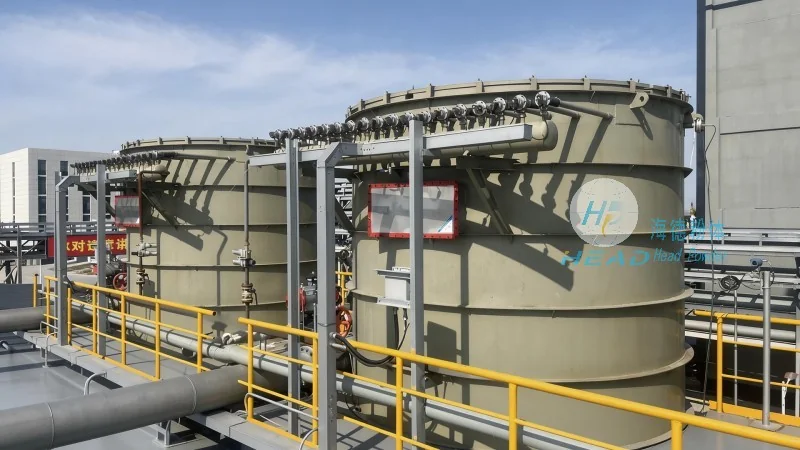
Applications and Industries Benefiting from Pneumatic Foam Conveying
The benefits of pneumatic conveying in foam handling extend to various industries, including manufacturing, packaging, and construction. In the manufacturing sector, foam is often used as a cushioning material or as a component in composite products. Pneumatic conveying allows manufacturers to efficiently transport foam from storage to production lines, reducing downtime and improving overall productivity. In the packaging industry, foam is used for protective packaging, and pneumatic systems enable companies to handle large volumes of foam with ease. The construction industry also benefits from pneumatic conveying, as it allows for the efficient transport of foam insulation materials to job sites.
Conclusion: The Future of Foam Conveying with Pneumatic Systems
As industries continue to seek more efficient and sustainable material handling solutions, pneumatic conveying remains a top choice for foam processing. With its ability to maintain product integrity and adapt to various applications, pneumatic systems offer significant advantages over traditional methods. Shandong HeadPowder Engineering Co., Ltd. plays a crucial role in advancing this technology, providing innovative solutions that meet the evolving needs of the market. By leveraging their expertise and commitment to quality, HeadPowder helps clients achieve optimal performance and operational efficiency in their foam conveying processes.