

The Role of Pneumatic Conveying in Calcined Lime Transport
Calcined lime, a critical material in various industrial processes, requires efficient and reliable transportation methods to ensure smooth operations. Pneumatic conveying has emerged as a highly effective solution for moving calcined lime from storage to processing units. This article explores the role of pneumatic conveying systems in the transport of calcined lime, highlighting the benefits and considerations for industries that rely on this material.
Understanding Pneumatic Conveying Systems
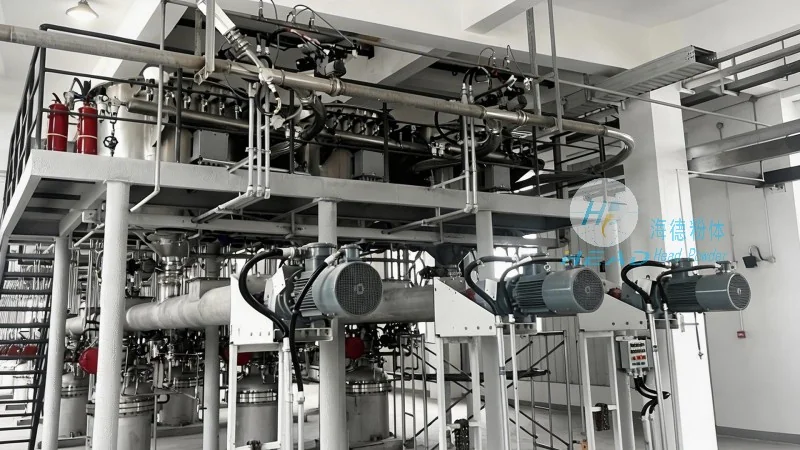
Pneumatic conveying uses compressed air or gas to transport bulk materials like calcined lime through a pipeline system. Unlike traditional methods such as belt conveyors or trucks, pneumatic conveying offers several advantages, including the ability to handle fine powders, reduce dust emissions, and maintain a clean and controlled environment. The system typically consists of a hopper, a conveyor line, and a discharge point, with the material being drawn into the pipeline by the air flow.
Benefits of Pneumatic Conveying for Calcined Lime
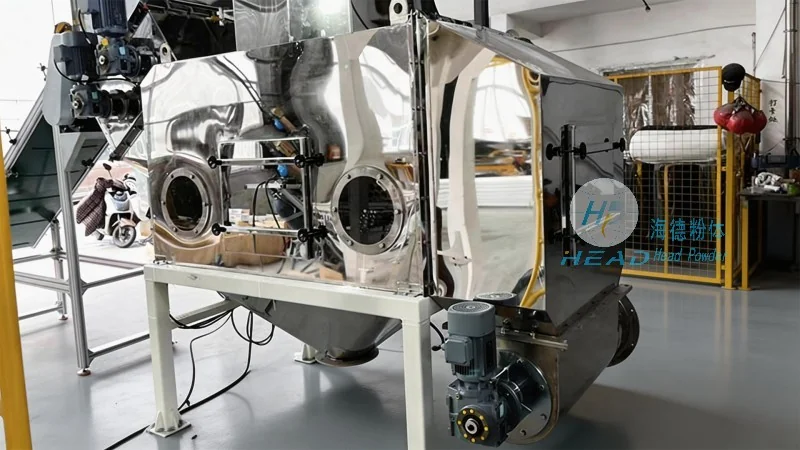
For calcined lime transport, pneumatic conveying systems provide significant benefits. One of the key advantages is the reduction of dust and contamination, which is crucial for maintaining product quality and safety standards. Unlike mechanical conveyors that may cause material degradation or cross-contamination, pneumatic systems keep the material enclosed, minimizing exposure to external elements. Additionally, pneumatic conveying allows for precise control over the flow rate and pressure, ensuring consistent delivery to the processing equipment.
Application in Industrial Processes
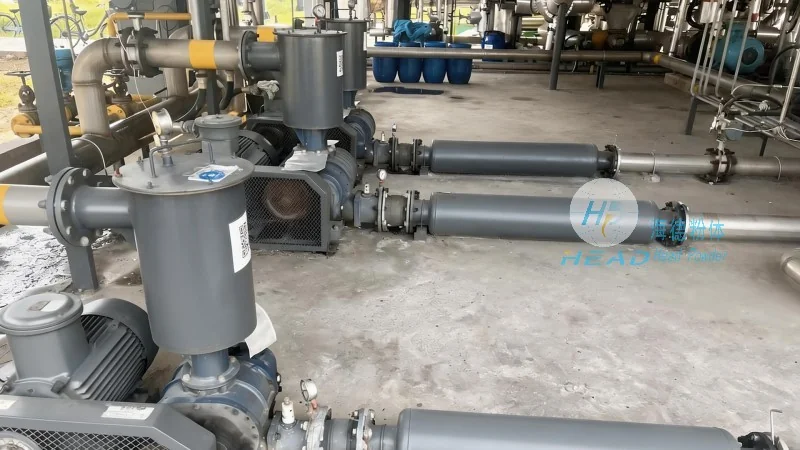
In industrial settings, calcined lime is often used in applications such as water treatment, flue gas desulfurization, and chemical manufacturing. The efficient transport of calcined lime to these processes is vital for maintaining production efficiency. Pneumatic conveying systems can be integrated seamlessly into existing production lines, allowing for a continuous and automated material flow. This integration helps reduce downtime and labor costs associated with manual handling and loading of calcined lime.
Considerations for Implementing Pneumatic Conveying
While pneumatic conveying offers numerous benefits, there are important considerations for its implementation. The selection of the right system depends on factors such as the material's properties, the distance to be transported, and the required flow rate. For calcined lime, which is a fine powder with low bulk density, a positive pressure system is often preferred to ensure consistent material movement. Additionally, the system must be designed to handle potential blockages or clogging, which can occur with fine powders. Regular maintenance and monitoring are essential to prevent system failures and ensure long-term reliability.
Conclusion
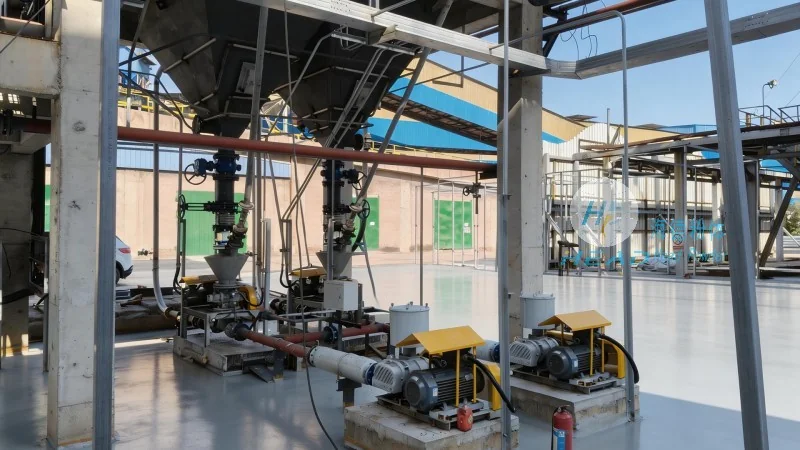
Pneumatic conveying plays a vital role in the efficient and safe transport of calcined lime. By leveraging compressed air to move the material through a closed pipeline system, industries can achieve improved product quality, reduced operational costs, and enhanced safety. As a leading provider in the field, Shandong HeadPowder Engineering Co., Ltd. specializes in designing and manufacturing pneumatic conveying systems tailored to the specific needs of calcined lime transport. With their expertise and commitment to quality, they help industries optimize their material handling processes and improve overall operational efficiency.