

Role of Pneumatic Conveying in Pearl Sand Transportation
For industries dealing with bulk materials like pearl sand, efficient and reliable material handling is crucial. Among the various methods available, pneumatic conveying stands out as a sophisticated solution that offers numerous advantages over traditional methods. This article explores the pivotal role of pneumatic conveying in the transportation of pearl sand, highlighting its benefits, applications, and the technical aspects that make it an ideal choice for modern material handling operations.
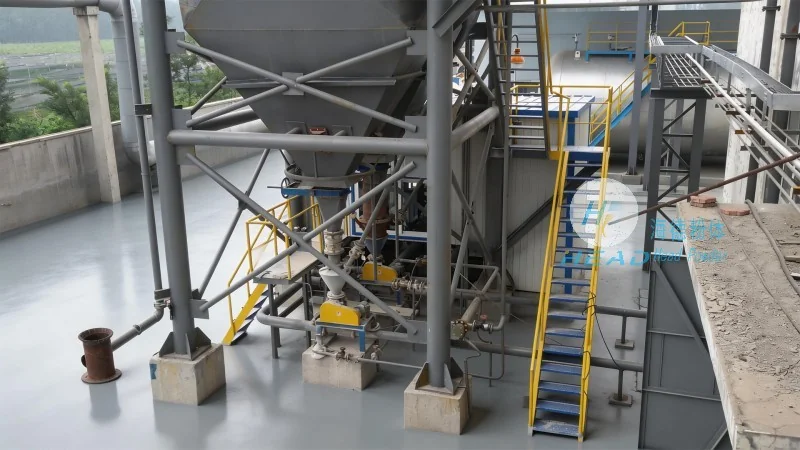
Understanding Pneumatic Conveying and Its Relevance to Pearl Sand
Pneumatic conveying is a technology that uses air or gas to transport bulk materials through a pipeline system. Unlike mechanical conveying methods such as belt conveyors or screw conveyors, this method relies on the force of compressed air to move the material. The process involves creating a pressure differential between the inlet and outlet of the conveying line, which propels the material forward. For pearl sand, a fine-grained material commonly used in foundries, construction, and glass manufacturing, pneumatic conveying provides a gentle yet effective means of transport that minimizes material degradation and loss.
Key Advantages of Pneumatic Conveying for Pearl Sand Transportation
One of the primary benefits of pneumatic conveying in pearl sand handling is its ability to handle fine and abrasive materials without causing excessive wear on equipment. Traditional mechanical conveyors may suffer from high maintenance costs due to the abrasive nature of pearl sand, but pneumatic systems are designed to withstand such conditions. Additionally, pneumatic conveying offers a high degree of flexibility in terms of layout and system design. It can be easily integrated into existing production lines or adapted to new facilities, allowing for seamless material flow from storage to processing units.
Another significant advantage is the reduced risk of material contamination. Since the conveying process is enclosed within a pipeline system, there is minimal exposure to external elements, ensuring that the quality of the pearl sand remains consistent. This is particularly important in industries where material purity is critical, such as in the production of high-quality glass or precision casting components. Furthermore, pneumatic conveying systems can be equipped with dust control measures, making them environmentally friendly and compliant with regulatory standards.
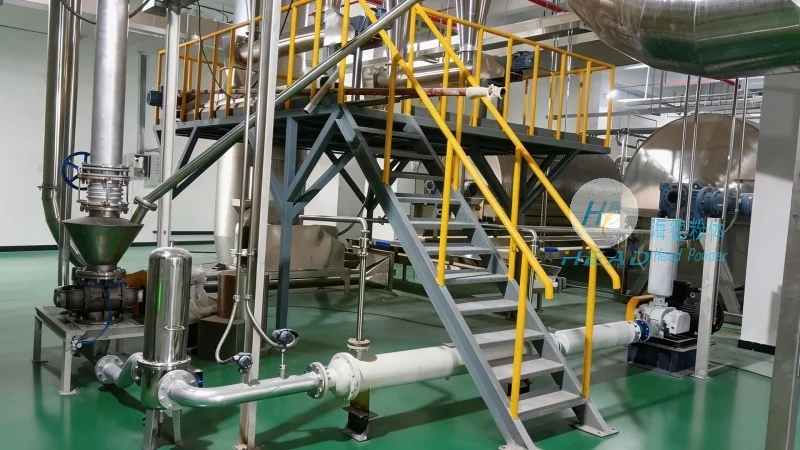
Technical Considerations for Optimal Pearl Sand Conveying
The success of pneumatic conveying in pearl sand transportation depends on several technical factors. The first is the selection of the appropriate conveying system type. There are two main categories: pressure and vacuum systems. Pressure systems use compressed air to push the material, while vacuum systems use a vacuum to pull the material. For pearl sand, which is often stored in silos and needs to be transported over short to medium distances, a pressure system is typically more efficient and cost-effective. The system design also involves considerations such as the material's bulk density, flowability, and particle size distribution, as these factors affect the required air velocity and pressure.
Another critical aspect is the choice of pipeline material and diameter. The pipeline must be durable enough to withstand the abrasive nature of pearl sand and the pressure of the conveying air. Common materials include stainless steel, aluminum, and plastic, with stainless steel being the most common due to its corrosion resistance and strength. The diameter of the pipeline is determined by the material's flow rate and the air velocity required to maintain a stable flow. Proper sizing ensures that the system operates efficiently without excessive energy consumption or pressure drop.
Applications of Pneumatic Conveying in Pearl Sand Handling
Pneumatic conveying is widely used in various applications involving pearl sand. In foundries, for example, it is used to transport the sand from storage silos to molding machines, ensuring a continuous and controlled supply of material. The gentle handling of the sand prevents the formation of clumps, which can affect the quality of the castings. In the construction industry, pneumatic systems are employed to move pearl sand from bulk storage to mixing plants, where it is used as an aggregate in concrete production. The ability to handle large volumes of material quickly and efficiently makes pneumatic conveying ideal for high-production environments.
In the glass manufacturing sector, pneumatic conveying is crucial for transporting the sand from raw material storage to the melting furnaces. The fine particles of pearl sand are essential for achieving the desired glass properties, and the conveying system must ensure that the material is delivered without contamination or degradation. The enclosed system also helps in maintaining the temperature and moisture levels of the sand, which are critical factors in glass production.
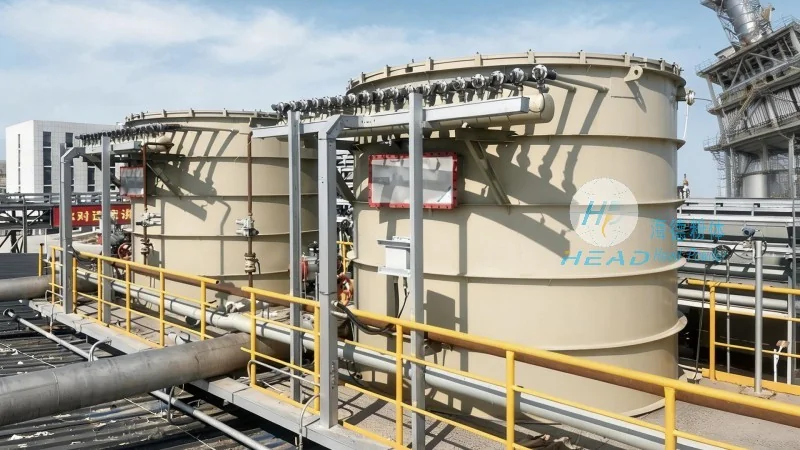
Case Study: HeadPowder's Pneumatic Conveying Solutions
Shandong HeadPowder Engineering Co., Ltd., a leading provider of material handling solutions, specializes in designing and manufacturing customized pneumatic conveying systems for industries dealing with fine materials like pearl sand. With years of experience in the field, the company has developed advanced systems that address the unique challenges of pearl sand transportation. For instance, their pressure conveying systems are equipped with advanced control panels that allow for real-time monitoring of flow rates, pressure, and material levels. This enables operators to optimize the system's performance and minimize downtime.
HeadPowder's systems are designed to be durable and low-maintenance, reducing the overall operational costs for clients. The company's expertise in material handling engineering ensures that each system is tailored to the specific requirements of the client, whether it's for a small-scale foundry or a large-scale glass manufacturing plant. By leveraging their technical knowledge and innovative solutions, HeadPowder has helped numerous clients improve their material handling efficiency and product quality.
The company's headquarters is located in Shandong, China, where they have a state-of-the-art manufacturing facility and a team of experienced engineers. This allows them to provide comprehensive support to their clients, from system design and installation to maintenance and troubleshooting. With a commitment to quality and customer satisfaction, HeadPowder has established itself as a trusted partner in the material handling industry.