

Role of Pneumatic Conveying in Bauxite Transportation
Bauxite, a fundamental raw material in aluminum production, requires efficient and reliable transportation from mining sites to processing facilities. The physical properties of bauxite, such as its density, moisture content, and particle size distribution, pose unique challenges for traditional material handling methods. Pneumatic conveying emerges as a sophisticated solution, offering advantages in handling abrasive materials, maintaining purity, and enhancing operational efficiency.
Challenges in Bauxite Transportation
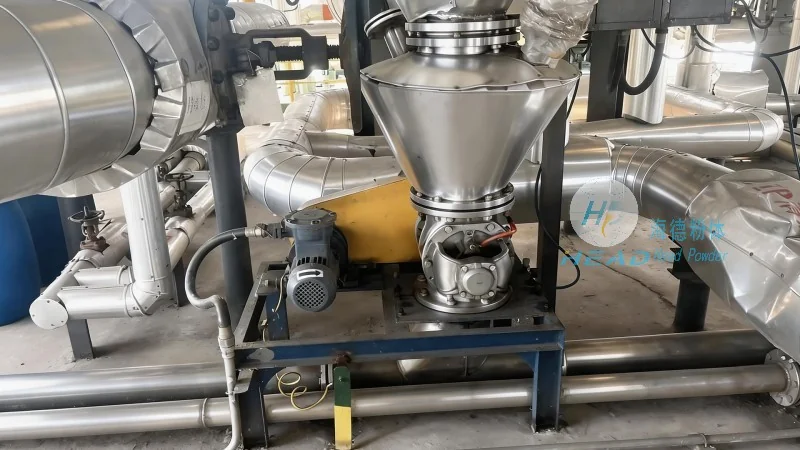
Bauxite is typically a dense, heterogeneous ore containing various minerals like aluminum hydroxides and impurities including iron oxides and silica. These characteristics make it difficult to transport using conventional systems like belt conveyors or bucket elevators. Fine-grained bauxite can cause blockages, while high moisture levels may lead to material degradation or increased wear on equipment. Such issues can result in downtime, increased maintenance costs, and reduced product quality, highlighting the need for specialized transport solutions.
Pneumatic Conveying: A Versatile Material Handling Solution
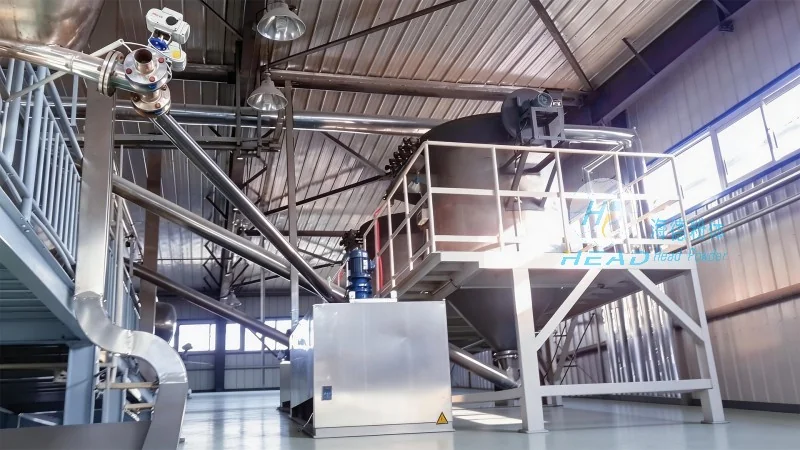
Pneumatic conveying systems utilize air or gas to transport bulk materials through a pipeline network. This method is particularly effective for bauxite due to its ability to handle a wide range of particle sizes—from fine powders to larger lumps—while ensuring a consistent flow rate. The system comprises a hopper, feeder, conveying line, and receiver, with material drawn into the pipeline by a vacuum or pressure source. Unlike mechanical systems, pneumatic conveying eliminates the need for multiple transfer points and reduces the risk of spillage or contamination, which is critical for maintaining the purity of bauxite in processing.
Advantages of Pneumatic Conveying for Bauxite
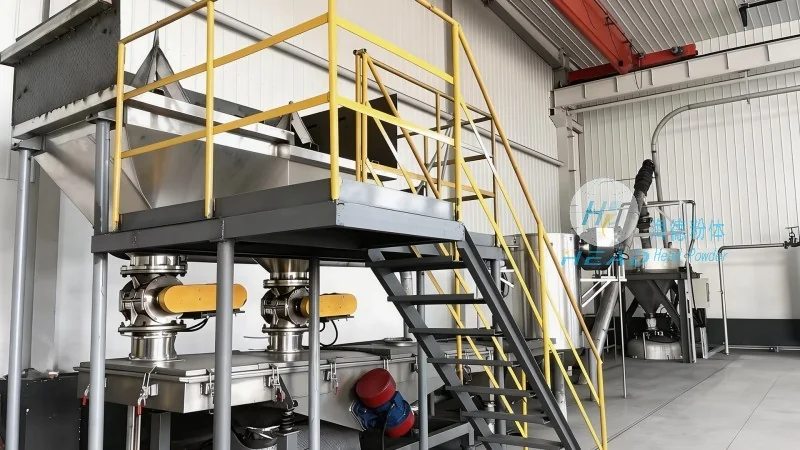
One of the key benefits of pneumatic conveying in bauxite transport is its ability to minimize equipment wear. Bauxite's hardness and density can cause significant abrasion on mechanical components, leading to frequent replacements and higher operational costs. Pneumatic systems, with smooth pipeline interiors and controlled flow rates, reduce this wear, extending equipment life. Additionally, the system allows for precise dosing and feeding into processing units, ensuring consistent product quality in aluminum production. This control is essential for maintaining the uniformity required in downstream processes.
Customized Solutions by Shandong HeadPowder Engineering Co., Ltd.
Shandong HeadPowder Engineering Co., Ltd. specializes in designing and manufacturing customized pneumatic conveying systems tailored to the specific needs of bauxite operations. The company's expertise lies in addressing the unique challenges of bauxite, such as varying compositions and moisture levels. Their systems are scalable, accommodating both small-scale mining operations and large industrial facilities. By integrating advanced technology and understanding of material behavior, HeadPowder provides solutions that optimize efficiency and reliability. For instance, their systems can be configured to handle abrasive bauxite without compromising performance, ensuring seamless integration into existing production lines.
Operational Efficiency and Cost Savings
Implementing pneumatic conveying for bauxite transport can significantly improve operational efficiency. Unlike mechanical systems that require regular maintenance and lubrication, pneumatic systems have fewer moving parts and lower maintenance requirements. This reduces downtime and maintenance costs over the long term. Furthermore, the ability to transport bauxite over long distances without intermediate storage or transfer points minimizes handling time and boosts overall production throughput. For bauxite processing plants, this translates to higher productivity and better resource utilization, directly impacting profitability.
Environmental and Safety Compliance
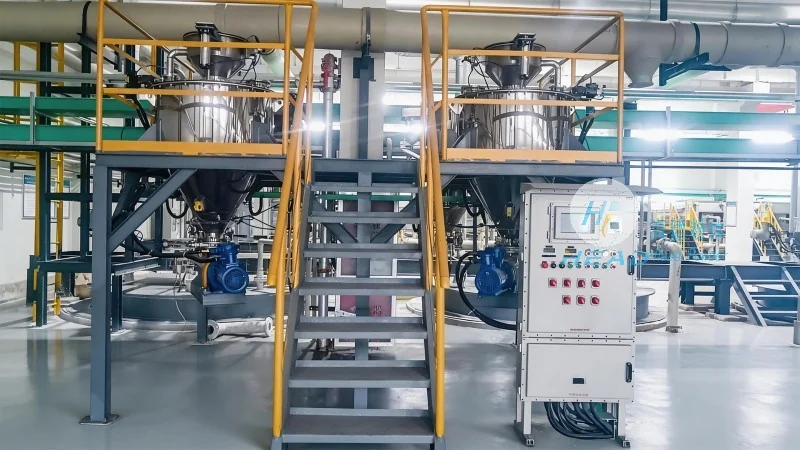
Environmental and safety considerations are paramount in bauxite transportation. Pneumatic conveying systems are designed to minimize dust emissions and prevent material contamination, ensuring a safe working environment and compliance with environmental regulations. The enclosed pipeline system prevents dust from being released into the air, reducing the risk of respiratory issues for workers and minimizing the impact on the surrounding environment. Additionally, the controlled nature of pneumatic systems reduces the risk of material spills or accidents, enhancing workplace safety and operational reliability.
Conclusion: The Critical Role of Pneumatic Conveying
In summary, pneumatic conveying is a vital technology in the efficient and reliable transportation of bauxite. By leveraging air-based transport, it addresses the unique challenges of handling abrasive, heterogeneous materials while maintaining purity and operational efficiency. Shandong HeadPowder Engineering Co., Ltd. plays a key role in providing customized solutions that meet the demands of modern bauxite operations, supporting the growth and success of clients in the global aluminum industry. As the industry continues to evolve, the adoption of advanced material handling solutions like pneumatic conveying will remain essential for meeting production requirements and ensuring sustainable operations.