

The Role of Pneumatic Conveying in Urea Granule Transportation
Urea granules are a critical component in modern agricultural and industrial applications, and the efficient transportation of these granules is essential for maintaining production efficiency and product quality. Pneumatic conveying has emerged as a highly effective method for handling urea granules, offering numerous advantages over traditional bulk material transport systems. This article explores the role of pneumatic conveying in urea granule transportation, highlighting its benefits and the expertise of Shandong HeadPowder Engineering Co., Ltd. in optimizing this process.
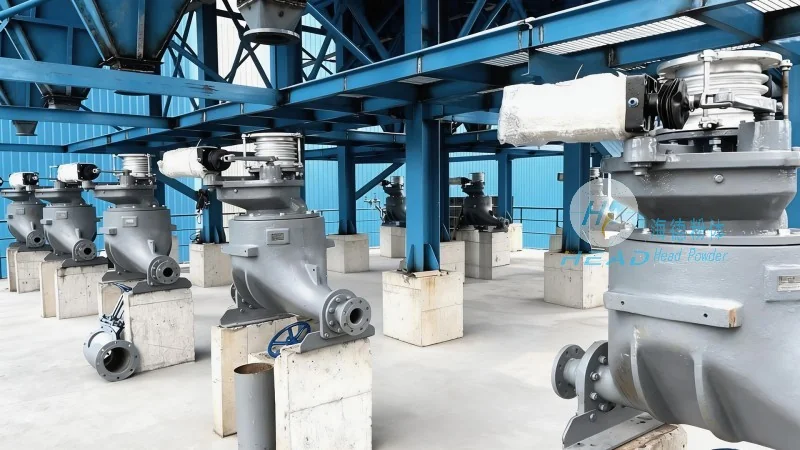
Understanding Pneumatic Conveying for Urea Granule Handling
Pneumatic conveying is a technology that uses pressurized air or vacuum to transport bulk materials, such as urea granules, through a pipeline system. Unlike mechanical conveyors, which rely on physical contact and friction, pneumatic systems move materials by suspending them in a gas stream. This method is particularly suitable for urea granules due to their size, density, and flow characteristics. The process involves feeding the urea granules into a hopper, where they are then drawn or pushed through the pipeline by the air flow. The system can operate under positive pressure (where air is forced through the pipeline) or negative pressure (where air is drawn out, creating a vacuum), depending on the specific application requirements.
Key Advantages of Pneumatic Conveying in Urea Transportation
One of the primary advantages of pneumatic conveying for urea granules is its ability to handle materials with minimal degradation. Urea granules are sensitive to moisture and mechanical stress, and pneumatic systems minimize these risks by reducing direct contact with equipment and avoiding high-impact movements. Additionally, pneumatic conveying offers high throughput rates, allowing for continuous and efficient transport of large quantities of urea granules. This is crucial for industrial-scale operations where production rates are high and downtime must be minimized. The technology also provides better control over the material flow, enabling precise dosing and distribution, which is essential for processes like fertilizer blending and packaging.
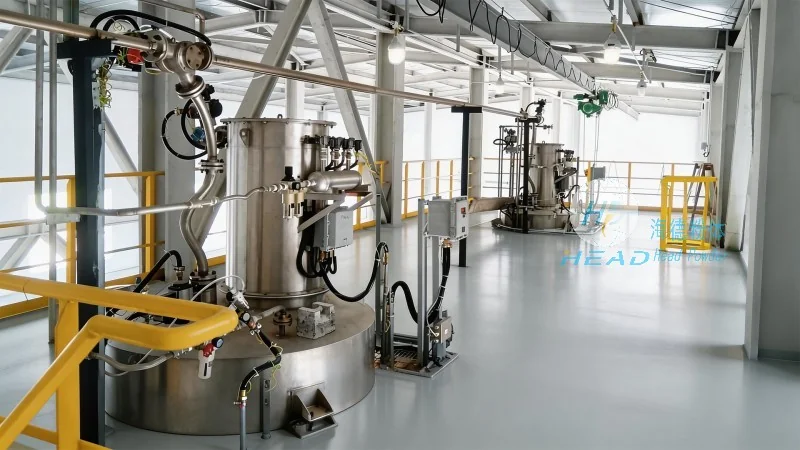
How HeadPowder Engineering Optimizes Urea Granule Transport
Shandong HeadPowder Engineering Co., Ltd. specializes in the design, manufacturing, and implementation of pneumatic conveying systems tailored to the unique needs of urea granule transport. With years of experience in the industry, HeadPowder has developed advanced solutions that address the specific challenges of handling urea granules, such as their tendency to clump or agglomerate. The company's engineers utilize state-of-the-art technology and materials to ensure that the conveying systems are durable, efficient, and reliable. For example, HeadPowder may incorporate special hopper designs to prevent material bridging, or use high-efficiency filters to maintain air quality and prevent clogging. The company also provides comprehensive support, including system integration, maintenance, and technical training, to ensure that clients can maximize the performance of their urea granule transport systems.
Customized Solutions for Diverse Urea Granule Applications
Urea granules are used in a wide range of applications, from agricultural fertilizers to industrial chemicals, and the requirements for their transport can vary significantly. HeadPowder Engineering recognizes this diversity and offers customized pneumatic conveying solutions to meet the specific needs of each client. Whether the application involves short-distance transport within a facility or long-distance transport between production sites and storage facilities, HeadPowder can design a system that is optimized for the task. The company considers factors such as the volume of urea granules to be transported, the distance of the transport route, the required flow rate, and the environmental conditions to develop a tailored solution. This approach ensures that the system is not only efficient but also cost-effective and sustainable, reducing energy consumption and minimizing environmental impact.
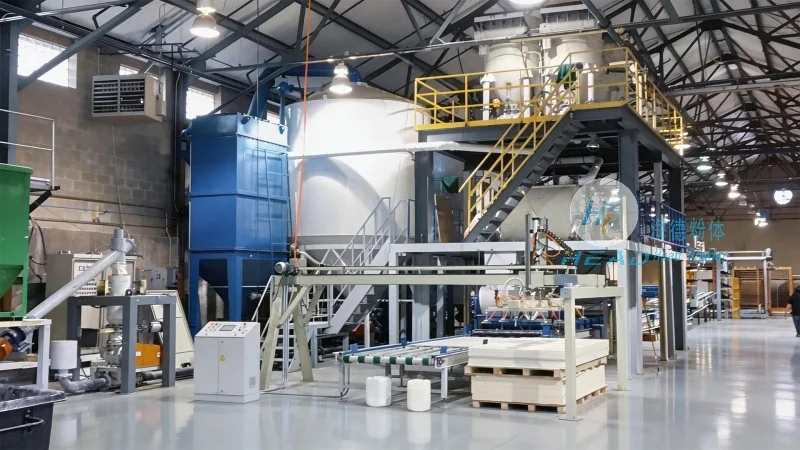
Ensuring Quality and Reliability in Urea Granule Conveying
Quality control is a top priority for HeadPowder Engineering when it comes to urea granule conveying systems. The company uses high-quality materials and components to ensure that the systems are durable and long-lasting. For instance, the pipelines and hoppers are constructed from corrosion-resistant materials to withstand the chemical properties of urea granules. The air handling units are equipped with advanced filtration systems to maintain air purity and prevent contamination of the urea granules. Additionally, HeadPowder implements rigorous testing and quality assurance protocols to ensure that each system meets the highest standards before delivery. This commitment to quality ensures that clients can rely on their urea granule transport systems to operate consistently and reliably, minimizing downtime and maximizing productivity.
Conclusion: The Importance of Pneumatic Conveying in Urea Granule Transport
In conclusion, pneumatic conveying plays a vital role in the efficient and reliable transport of urea granules. The technology offers numerous advantages over traditional methods, including minimal material degradation, high throughput, and precise control. Shandong HeadPowder Engineering Co., Ltd. has established itself as a leader in the design and implementation of pneumatic conveying systems for urea granule transport, providing customized solutions that meet the unique needs of each client. With its focus on quality, reliability, and innovation, HeadPowder continues to be a trusted partner for businesses seeking to optimize their urea granule transportation processes. By leveraging the expertise of HeadPowder, companies can enhance their operational efficiency, reduce costs, and ensure the consistent quality of their urea granule products.