

Role of Pneumatic Conveying in Metal Aluminum Powder Handling
When it comes to the efficient and reliable transport of metal aluminum powder, pneumatic conveying systems have emerged as a critical technology in modern material handling. This method involves using pressurized air or vacuum to move powders through a pipeline, offering advantages such as reduced contamination, improved safety, and enhanced process control. For industries dealing with aluminum powders, which are widely used in aerospace, automotive, and industrial applications, the choice of an appropriate conveying system can significantly impact production efficiency and product quality.
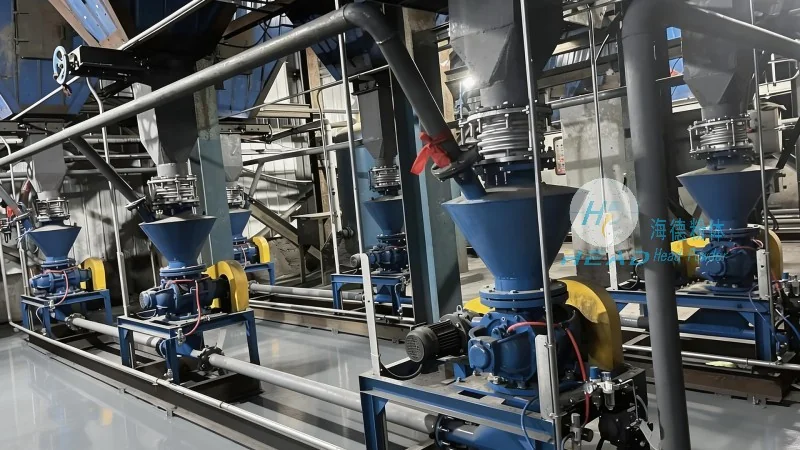
Understanding Pneumatic Conveying Systems
Pneumatic conveying systems for metal aluminum powder typically operate on one of two principles: pressure or vacuum. Pressure systems use compressed air to push the powder through the pipeline, while vacuum systems create a negative pressure to draw the material. The selection between these two depends on factors like the distance of transport, the volume of material, and the required flow rate. For aluminum powders, which are often sensitive to moisture and oxidation, pressure systems are commonly preferred as they can maintain a positive pressure environment, minimizing exposure to air and reducing the risk of degradation.
Key Advantages of Pneumatic Conveying for Aluminum Powder
One of the primary benefits of using pneumatic conveying for metal aluminum powder is the ability to handle materials that are difficult to transport by other means, such as bulk materials with high moisture content or those prone to caking. The enclosed pipeline system prevents contamination from external sources, ensuring that the aluminum powder remains pure and free from impurities. Additionally, pneumatic conveying systems can be designed to handle varying particle sizes and densities, making them versatile for different aluminum powder applications. Another significant advantage is the improved safety aspect, as the system isolates the material from the environment, reducing the risk of dust explosions or inhalation hazards, which are common concerns with aluminum powders.
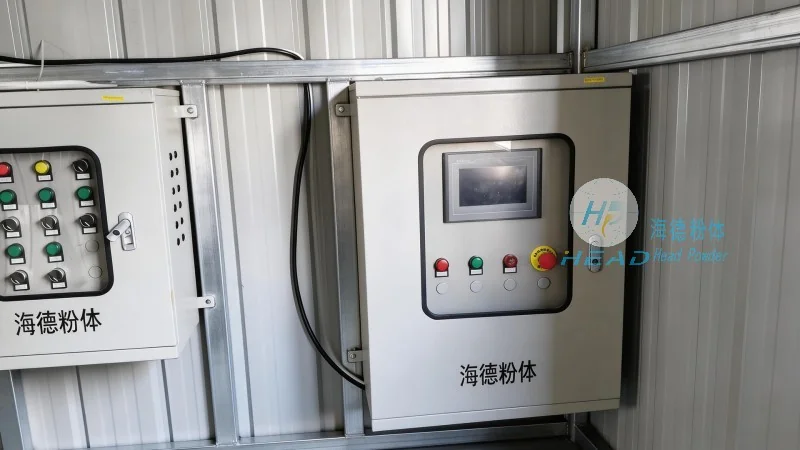
Application in Aluminum Powder Processing
In the aluminum powder processing industry, pneumatic conveying is used at various stages, from raw material handling to finished product packaging. For instance, in the production of aluminum alloys, the powder is often conveyed from storage silos to mixing and casting equipment. The system ensures a continuous and controlled flow of material, which is crucial for maintaining consistent product properties. Similarly, in the manufacturing of aluminum powder-based products like abrasives or refractory materials, pneumatic conveying facilitates the precise dosing and mixing of ingredients, leading to higher quality end products. The ability to integrate pneumatic conveying with other processing equipment, such as classifiers and mixers, further enhances the overall efficiency of the production line.
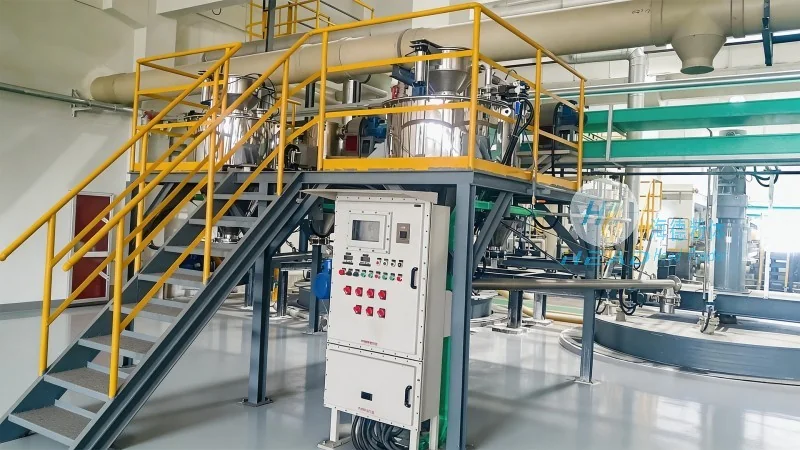
HeadPowder Engineering: Expertise in Aluminum Powder Conveying Solutions
Shandong HeadPowder Engineering Co., Ltd., operating under the brand name headpowder, specializes in the design, manufacturing, and installation of pneumatic conveying systems tailored for metal aluminum powder applications. With a focus on innovation and customer-centric solutions, the company has developed advanced systems that address the unique challenges of aluminum powder handling. Their expertise lies in understanding the material properties of aluminum powders, such as their reactivity and flow characteristics, and designing systems that optimize performance while ensuring safety and reliability. The company’s products are engineered to meet the stringent requirements of the aluminum industry, including compliance with safety standards and efficient operation in high-volume production environments.
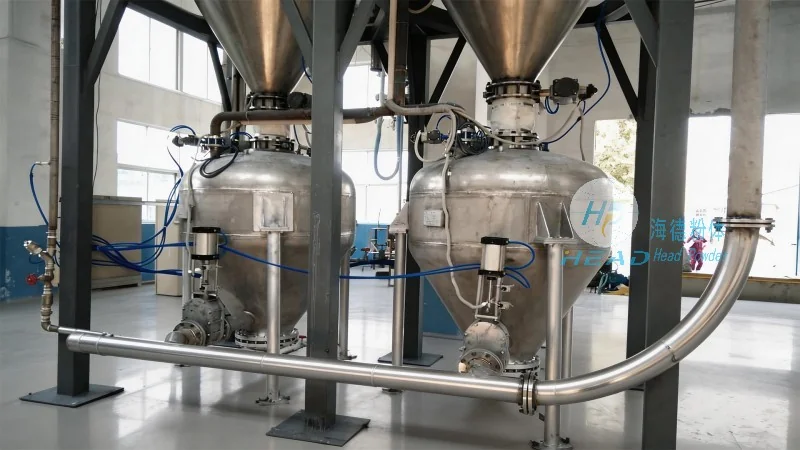
Customized Pneumatic Conveying Solutions for Aluminum Powder
headpowder offers customized pneumatic conveying solutions that are tailored to the specific needs of each client. Whether the application involves short-distance transport within a factory or long-distance transfer between facilities, the company provides systems that are scalable and adaptable. The design process involves thorough analysis of the material characteristics, process requirements, and operational constraints to ensure the optimal system configuration. For example, in handling fine aluminum powders that are prone to segregation, the company may incorporate features like fluidized bed or rotary valves to maintain uniform flow and prevent material degradation. Additionally, the systems can be equipped with monitoring and control technologies to provide real-time data on flow rates, pressure, and material levels, enabling operators to make informed decisions and maintain process efficiency.
Ensuring Quality and Reliability in Aluminum Powder Conveying
Quality is a top priority at headpowder, and this is reflected in the materials and components used in their pneumatic conveying systems. The company uses high-quality stainless steel and other corrosion-resistant materials to construct pipelines and components, which are essential for handling aluminum powders that may be corrosive or reactive. Regular maintenance and inspection programs are also part of their service offerings, ensuring that the systems operate at peak performance and longevity. By partnering with headpowder, aluminum powder manufacturers can benefit from reliable and efficient conveying solutions that enhance their production capabilities and reduce operational costs. The company’s commitment to customer satisfaction and technical excellence has made it a trusted name in the aluminum powder handling industry.