

What is a Fine Light Sand Powder Conveying Line? What Are Its Design Principles?
Welcome to the world of fine light sand powder conveying systems, a critical component in modern industrial processing. These specialized equipment are engineered to handle the unique challenges of transporting fine, light-weight powders efficiently and reliably. Understanding the fundamentals of such systems, including their design principles and operational mechanics, is essential for industries that rely on consistent material handling. This article delves into the specifics of fine light sand powder conveying lines, exploring their purpose, key design elements, and the expertise behind their development.
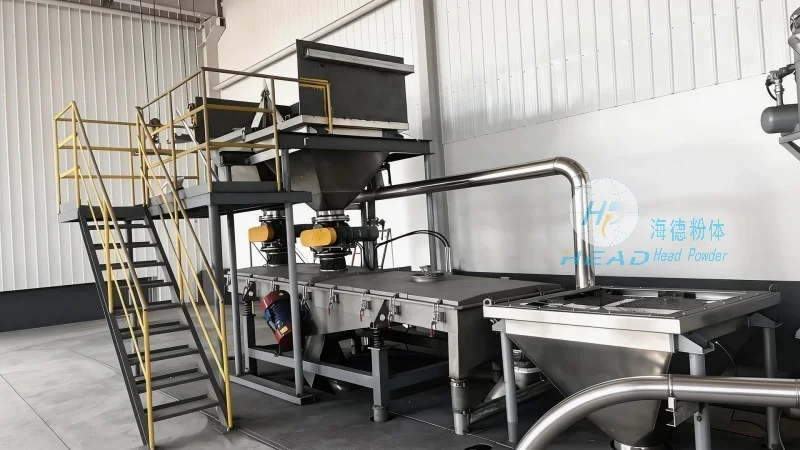
Understanding Fine Light Sand Powder Conveying Lines
Fine light sand powder conveying lines are industrial systems designed to transport fine, lightweight powders, such as certain types of sand or other granular materials with low bulk density. These materials often present unique challenges during handling due to their fine particle size and low weight, which can lead to issues like dust generation, clogging, and inefficient flow. The primary goal of these conveying lines is to ensure the safe, efficient, and controlled movement of these powders from one point to another within a manufacturing or processing facility. They are commonly used in industries like construction, foundries, and chemical processing, where the consistent supply of fine sand or similar powders is crucial for production continuity.
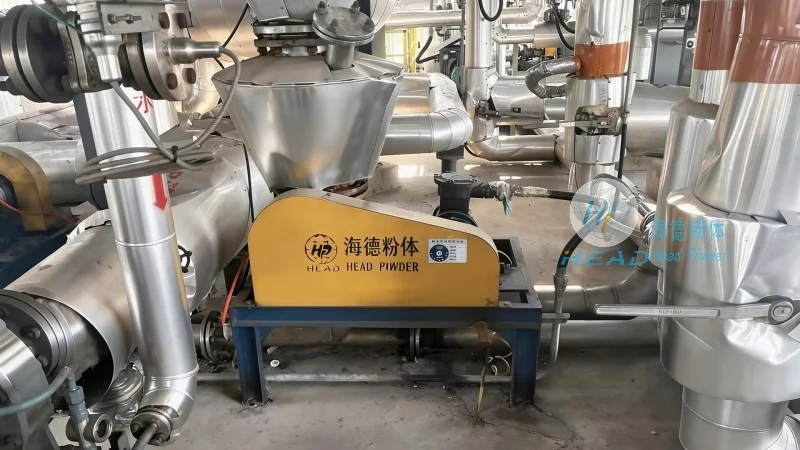
The Core Design Principles Behind These Systems
The design of fine light sand powder conveying lines is guided by several key principles aimed at overcoming the inherent difficulties of handling fine, low-density materials. One of the most critical principles is the use of specialized equipment that minimizes friction and ensures smooth material flow. This includes components like high-efficiency blowers, flexible hoses, and specially designed hoppers that prevent material buildup and ensure consistent feeding. The design also emphasizes the importance of maintaining a consistent air pressure and flow rate to prevent clogging and ensure the material moves uniformly through the system. Additionally, the system is often equipped with features like dust collection and filtration to maintain air quality and comply with environmental regulations. The integration of these elements results in a robust and reliable conveying solution tailored to the specific characteristics of fine light sand powders.
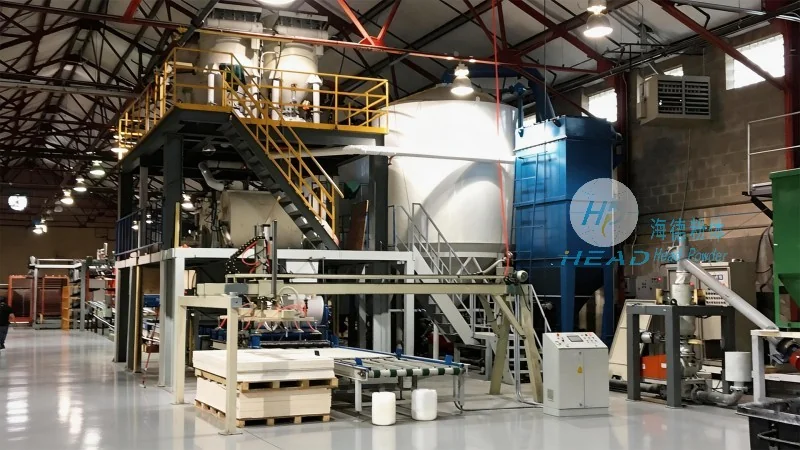
Company Profile: Shandong HeadPowder Engineering Co., Ltd.
At the heart of advanced fine light sand powder conveying solutions is Shandong HeadPowder Engineering Co., Ltd., a leading manufacturer based in China. With a strong commitment to engineering excellence and customer satisfaction, HeadPowder specializes in the design, manufacturing, and implementation of high-quality conveying systems for various industrial applications. The company's expertise lies in understanding the unique requirements of different industries and tailoring solutions that meet both operational and regulatory standards. HeadPowder's team of experienced engineers and technicians work closely with clients to develop customized conveying lines that optimize material handling efficiency while ensuring safety and compliance. The company's facilities are equipped with state-of-the-art technology and rigorous quality control measures, ensuring that every product meets the highest industry standards. By leveraging years of experience and a deep understanding of powder handling technologies, HeadPowder has established itself as a trusted partner in the field of fine powder conveying.
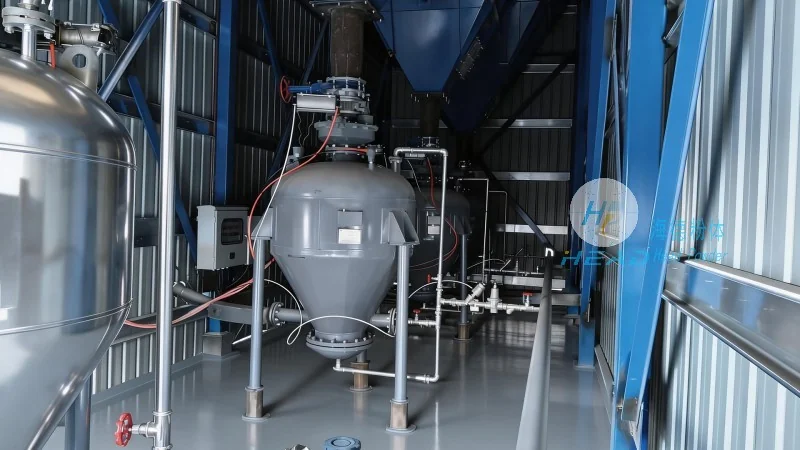
Key Features and Technical Considerations
When evaluating fine light sand powder conveying lines, several key features and technical considerations are essential for optimal performance. The choice of conveying method, such as pneumatic or mechanical systems, depends on the specific properties of the material and the operational requirements of the facility. Pneumatic conveying systems, which use air to transport powders, are particularly effective for fine, light materials due to their ability to handle low bulk density and prevent material degradation. These systems often include components like rotary valves, airlocks, and cyclones to ensure efficient material transfer and separation. Mechanical conveying systems, on the other hand, may be more suitable for applications requiring higher material throughput or where air quality is a concern. The design of the system also considers factors like the material's particle size distribution, moisture content, and potential for dust explosion, all of which impact the selection of equipment and safety measures. Regular maintenance and monitoring of the conveying line are also critical to ensure long-term reliability and performance. By addressing these technical aspects, industries can achieve efficient and safe handling of fine light sand powders, enhancing overall productivity and operational safety.