

Cement Raw Material Powder Conveying Line: What It Is and Its Design Principles
HeadPowder, a leading engineering company based in Shandong, China, specializes in providing advanced solutions for the cement industry. This article explores the cement raw material powder conveying line, detailing its purpose and the fundamental design principles that underpin its operation.
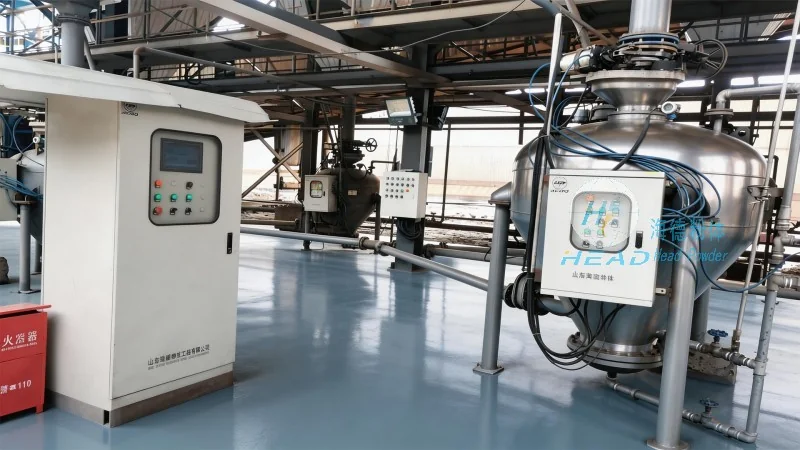
Cement Raw Material Powder Conveying Line: An Overview
A cement raw material powder conveying line is a critical system used in cement production facilities to transport raw materials such as limestone, clay, and iron ore from storage silos or quarries to the raw mill for grinding. The efficiency and reliability of this line directly impact the overall productivity and quality of cement production. The system typically involves a combination of equipment like feeders, conveyors, and control systems, all working in harmony to ensure smooth material flow.
Key Design Principles for the Conveying Line
The design of a cement raw material powder conveying line is governed by several key principles aimed at optimizing performance, minimizing energy consumption, and ensuring long-term durability. These principles include:
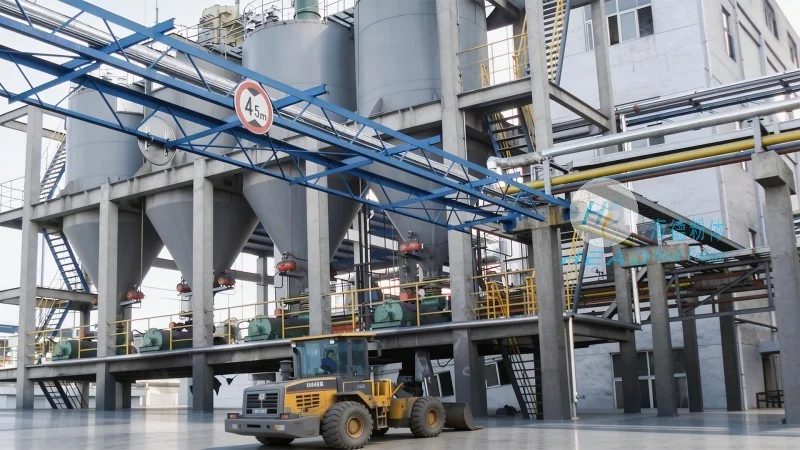
- Material Compatibility: The equipment and materials used must be compatible with the raw materials being conveyed, which often include abrasive and moisture-sensitive substances. This involves selecting appropriate materials for the construction of hoppers, pipelines, and conveying components to prevent wear and corrosion.
- Flow Efficiency: The design focuses on maximizing material flow rates while minimizing pressure drops and energy consumption. This is achieved through the use of optimized conveyor speeds, appropriate hopper designs, and efficient air or mechanical conveying methods.
- Control and Automation: Modern conveying lines incorporate advanced control systems to monitor and regulate the flow of materials. This includes sensors for level, flow rate, and pressure, as well as automated controls that adjust the system based on real-time conditions, ensuring consistent performance and reducing the risk of blockages or overloading.
- Reliability and Maintenance: The design emphasizes durability and ease of maintenance. Components are selected for their longevity, and the system is engineered with accessible points for routine checks and repairs, minimizing downtime and operational costs.
System Components and Their Functions
The cement raw material powder conveying line consists of several interconnected components, each playing a vital role in the overall process:
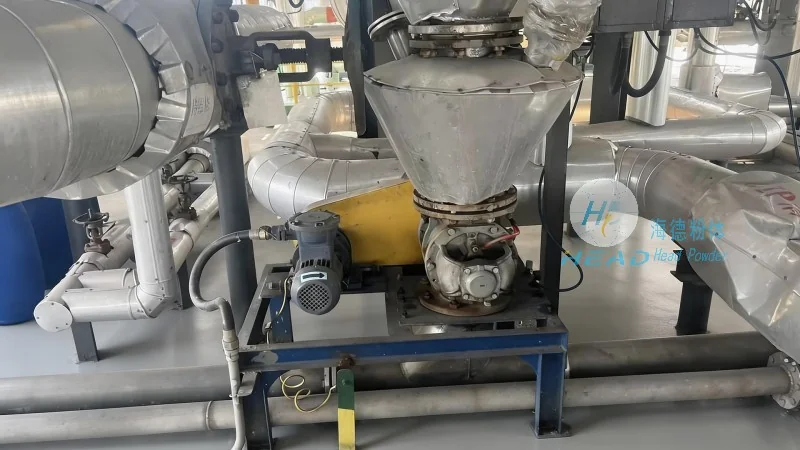
- Raw Material Storage: Large storage silos or bins are used to hold raw materials like limestone and clay. These silos are equipped with level sensors and discharge valves to control the flow of material into the conveying system.
- Feeding Equipment: Feeders, such as rotary or vibratory feeders, are used to regulate the flow of raw material from the storage silos into the conveyor. This ensures a consistent and controlled feed rate, preventing overloading of the conveying equipment.
- Conveying Equipment: The core of the system, conveying equipment can be either pneumatic (air-suspended) or mechanical (belt, screw, or bucket conveyors). Pneumatic systems use air pressure to move the powder through pipelines, while mechanical systems rely on physical movement of the material along a conveyor belt or screw. The choice of system depends on factors like material properties, distance, and cost considerations.
- Control System: A centralized control system monitors all components of the conveying line, including feeders, conveyors, and storage silos. This system provides real-time data on flow rates, pressure, and levels, allowing operators to adjust the system as needed and ensuring optimal performance.
Technical Advantages and Applications
The cement raw material powder conveying line offers several technical advantages that make it indispensable in modern cement production. These include high conveying efficiency, minimal material loss, and the ability to handle a wide range of raw materials. The system is widely used in both new cement plants and the modernization of existing facilities, where it helps to improve production capacity and reduce operational costs.
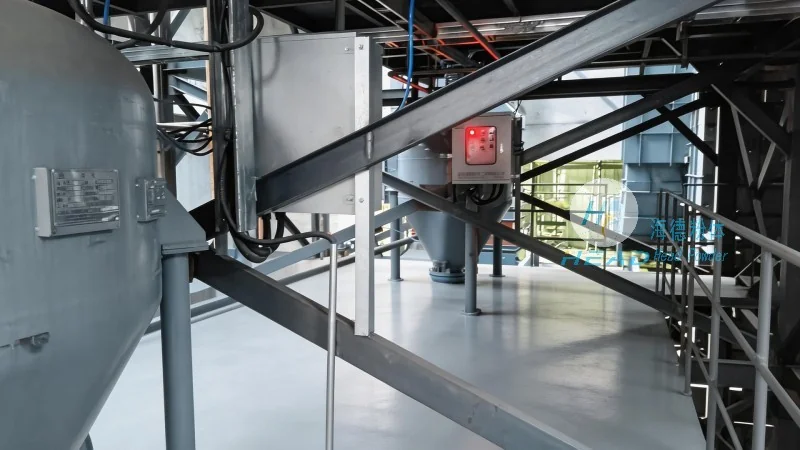
For example, in a typical cement plant, the raw material conveying line may transport up to several hundred tons of material per hour. The system's design ensures that this material is moved efficiently and safely, with minimal downtime for maintenance. This contributes to the overall productivity of the plant and helps to meet the growing demand for cement in construction and infrastructure projects.
Conclusion
The cement raw material powder conveying line is a sophisticated and essential component of modern cement production. Its design, based on principles of material compatibility, flow efficiency, and automation, ensures that raw materials are transported reliably and efficiently from storage to the grinding stage. As a leading provider of engineering solutions, HeadPowder continues to innovate in this field, offering advanced conveying systems that meet the evolving needs of the cement industry.