

What is an Automatic Feeding Powder Conveying Machine? And What Are Its Design Principles?
Automatic feeding powder conveying machines are specialized industrial equipment designed to handle and transport bulk powders efficiently and reliably. These machines are essential in various industries, including pharmaceuticals, food processing, chemical manufacturing, and more, where precise and controlled powder handling is critical for production processes. The primary function of such a machine is to automate the feeding and conveying of powders from a storage hopper or silo to processing equipment, ensuring consistent flow rates and minimizing material loss or contamination.
Understanding the Core Function of Automatic Feeding Powder Conveying Machines
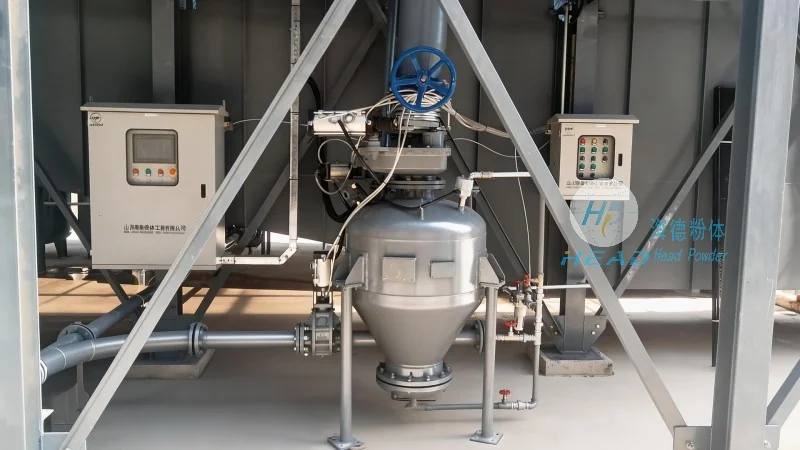
At the heart of an automatic feeding powder conveying system lies the ability to deliver powders in a controlled manner. The machine typically consists of several key components, including a hopper for material storage, a feeding mechanism (such as a screw, rotary valve, or vibratory feeder), and a conveying system (like a pneumatic or mechanical conveyor). The feeding mechanism regulates the flow of powder from the hopper into the conveying system, while the conveying system transports the powder to the next stage of processing. This automation eliminates the need for manual handling, reducing labor costs and improving operational efficiency.
The Design Principles Behind Automatic Feeding Powder Conveying Machines
The design of an automatic feeding powder conveying machine is based on several fundamental principles to ensure optimal performance. First, the machine must be capable of handling a wide range of powder characteristics, including different particle sizes, densities, and flowability. This requires careful consideration of the feeding mechanism and conveying system components. For example, a screw feeder may be suitable for free-flowing powders, while a vibratory feeder is better for cohesive or sticky materials. The design also focuses on minimizing material degradation, such as caking or segregation, which can occur during handling. To achieve this, the machine is often equipped with features like anti-static coatings, smooth internal surfaces, and proper sealing to prevent contamination and maintain product quality.
Key Components and Their Roles in the System
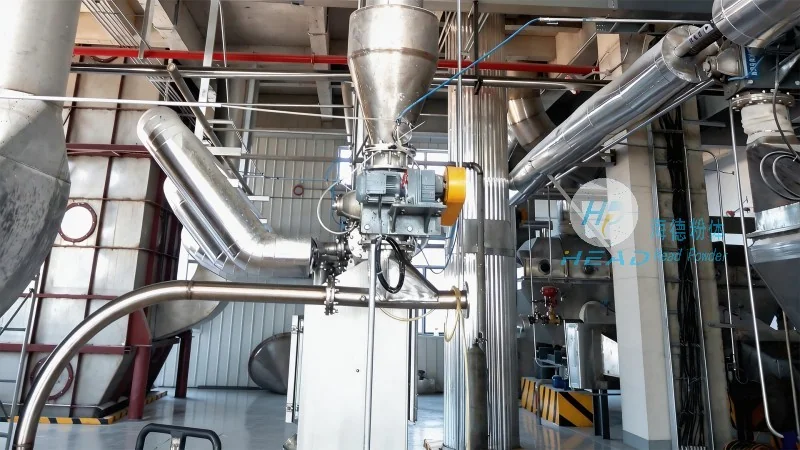
Several critical components work together to ensure the smooth operation of an automatic feeding powder conveying machine. The hopper serves as the storage container, with a design that minimizes material bridging and ensures uniform material flow. The feeding mechanism, such as a rotary valve or screw feeder, controls the discharge rate of the powder from the hopper. The conveying system, which may be pneumatic (using air pressure) or mechanical (using belts or chains), transports the powder to the processing equipment. Additionally, the machine may include sensors and control systems to monitor and adjust the flow rate in real-time, ensuring consistent performance and preventing overloading or underloading of the conveying system.
Applications and Industries That Benefit from This Technology
Automatic feeding powder conveying machines are widely used across various industries due to their versatility and efficiency. In the pharmaceutical industry, these machines are crucial for handling active pharmaceutical ingredients (APIs) and excipients, ensuring precise dosing and preventing cross-contamination. In food processing, they are used to convey ingredients like flour, sugar, and spices, maintaining product quality and hygiene standards. The chemical manufacturing sector also relies on these machines for transporting bulk chemicals, while the agricultural industry uses them for handling fertilizers and other agricultural powders. The consistent and controlled flow of powders provided by these machines helps improve production throughput and product quality across these sectors.
Advantages of Using Automatic Feeding Powder Conveying Machines
Implementing an automatic feeding powder conveying machine offers numerous advantages for industrial operations. One of the primary benefits is increased efficiency and productivity, as the machine operates continuously without the need for manual intervention. This reduces labor costs and allows for higher production rates. Additionally, the automation minimizes material loss and contamination, ensuring that the final product meets quality standards. The consistent flow rates provided by these machines also improve process control, leading to more uniform product output. Furthermore, the design of these machines often includes features that enhance safety, such as enclosed systems and emergency stop mechanisms, reducing the risk of accidents in the workplace.
Customization and Integration with Existing Systems
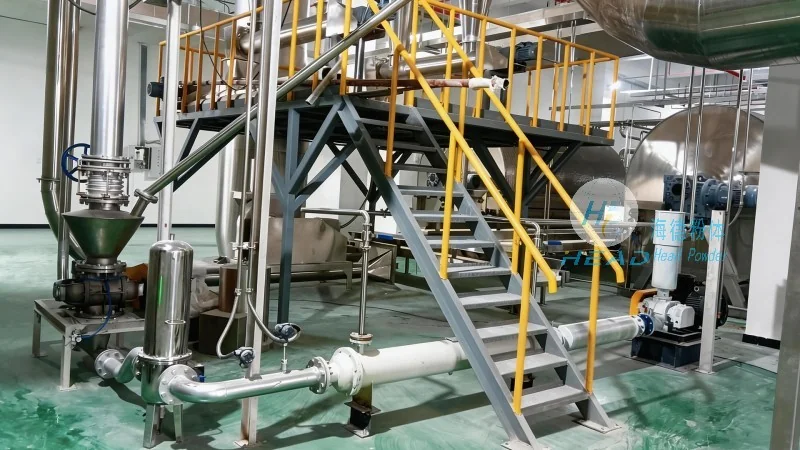
Automatic feeding powder conveying machines can be customized to meet the specific needs of different industries and applications. Manufacturers often offer options for different hopper sizes, feeding mechanisms, and conveying systems to accommodate various powder types and processing requirements. These machines can also be integrated with existing production lines, allowing for seamless operation and minimal disruption to current workflows. For example, a machine can be connected to a weighing system to ensure precise dosing, or to a mixing unit to blend different powders in the correct proportions. The ability to customize and integrate these machines makes them a flexible solution for a wide range of industrial applications.
Maintenance and Operational Considerations
Proper maintenance is essential to ensure the long-term performance and reliability of an automatic feeding powder conveying machine. Regular cleaning and inspection of components, such as the hopper, feeding mechanism, and conveying system, are necessary to prevent material buildup and ensure smooth operation. The machine may also require periodic replacement of parts, such as seals or bearings, to maintain optimal performance. Operational considerations include monitoring the flow rate and pressure in the system, as well as checking for any signs of wear or damage. By following proper maintenance procedures and operational guidelines, users can maximize the lifespan and efficiency of their powder conveying machines.