

What is a Ship Loading and Unloading Powder Conveying Machine? And What Are Its Design Principles?
Ship loading and unloading powder conveying machines are specialized industrial equipment designed for the efficient transfer of bulk powder materials between ships and land-based storage or processing facilities. These systems are crucial in various industries, including chemical, food, and mining, where handling large volumes of powders is essential for smooth operations. The primary function of such machinery is to facilitate the safe and efficient movement of materials, ensuring minimal loss and contamination while maintaining high throughput rates. As a leading manufacturer in this field, Shandong HeadPowder Engineering Co., Ltd. from China has been at the forefront of developing advanced solutions tailored to meet the diverse needs of global clients.
Key Design Principles of Powder Conveying Systems
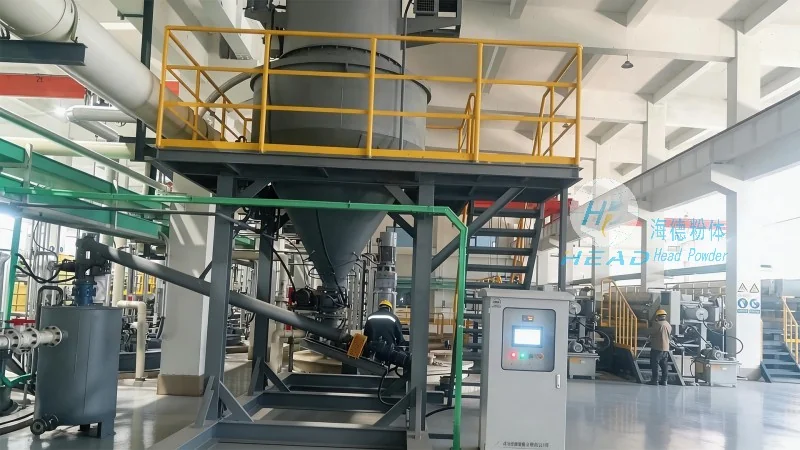
The design of a ship loading and unloading powder conveying machine is built on several fundamental principles that ensure optimal performance and reliability. One of the core principles is the use of pneumatic or hydraulic systems to create a controlled environment for material transport. This approach involves creating a pressure differential that allows the powder to be carried by a carrier gas, such as air or nitrogen, through a series of pipes and ducts. The system must be engineered to handle varying particle sizes, densities, and moisture content, which are critical factors affecting the flow characteristics of the powder. Additionally, the design incorporates features like fluidization, where the powder is kept in a suspended state to prevent caking or blockages, ensuring consistent and continuous operation. The machinery also includes components like feeders, hoppers, and discharge mechanisms that are carefully calibrated to match the specific requirements of the material being handled. These design elements collectively contribute to the machine's ability to operate under harsh conditions, such as high humidity or corrosive environments, while maintaining efficiency and safety.
Components and Working Mechanism
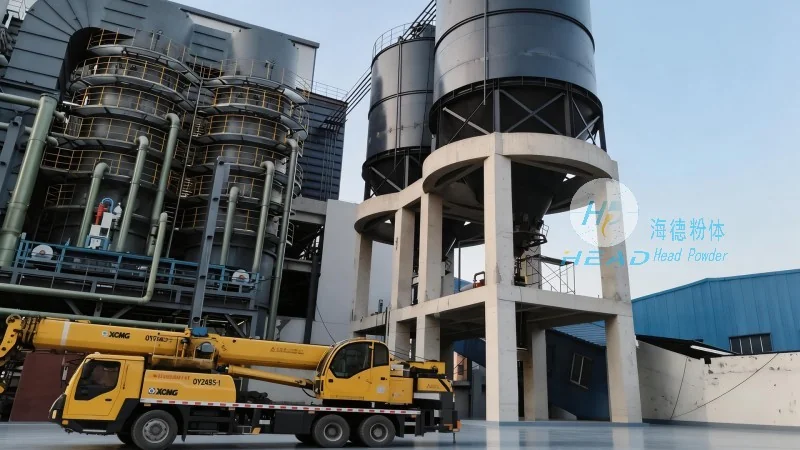
A typical ship loading and unloading powder conveying machine consists of several key components that work in tandem to achieve the desired material transfer. The main parts include a hopper for material storage, a feeder to control the flow rate, a conveying pipeline system, and a discharge unit at the receiving end. The hopper is designed to accommodate large volumes of powder and often features a sloped bottom to facilitate smooth material release. The feeder, usually a rotary or vibratory type, regulates the amount of powder entering the pipeline, preventing overloading and ensuring a steady flow. The conveying pipeline is made of materials resistant to corrosion and wear, such as stainless steel or special alloys, to withstand the abrasive nature of the powder. The system may use positive pressure or negative pressure (vacuum) to move the material, depending on the application. For ship loading, the machine typically operates under positive pressure, pushing the powder from the land-based storage to the ship's hold. Conversely, for unloading, it may use a combination of vacuum and pressure to draw the powder from the ship to the land. The discharge unit at the receiving end may include a silo or a storage tank, which is connected to the conveying system to ensure the material is stored safely and efficiently. Each component is designed to work seamlessly with the others, minimizing downtime and maximizing operational efficiency.
Advantages and Applications
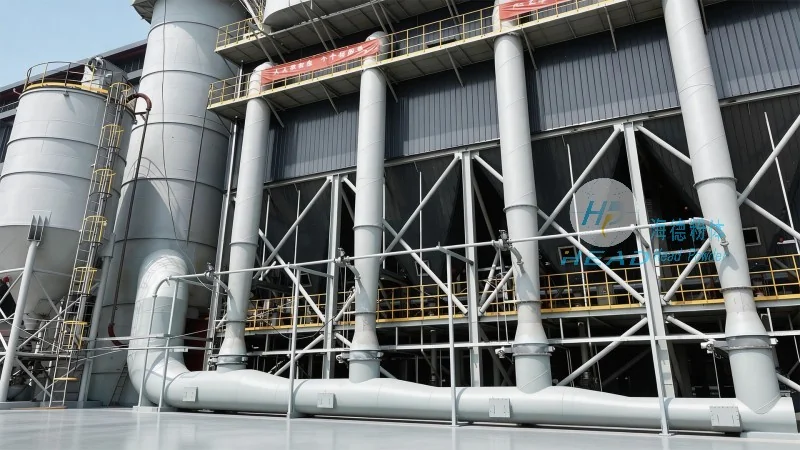
Ship loading and unloading powder conveying machines offer numerous advantages that make them indispensable in modern industrial operations. One of the primary benefits is their ability to handle large volumes of powder at high speeds, significantly reducing the time required for loading and unloading ships. This leads to increased productivity and lower operational costs for businesses. The systems are also highly flexible, capable of transporting various types of powders, including fine, coarse, or sticky materials, without the need for extensive modifications. Another advantage is the reduced risk of dust exposure and contamination, as the material is enclosed within the conveying system, preventing environmental pollution and ensuring product quality. These machines are widely used in ports for handling bulk materials like cement, grain, and chemical powders, as well as in industrial plants for internal material transfer. The reliability and durability of the equipment, coupled with low maintenance requirements, make them a cost-effective solution for long-term use. Additionally, the systems can be integrated with automation and control systems, allowing for real-time monitoring and adjustment of operational parameters, further enhancing efficiency and safety.
Customization and After-Sales Support
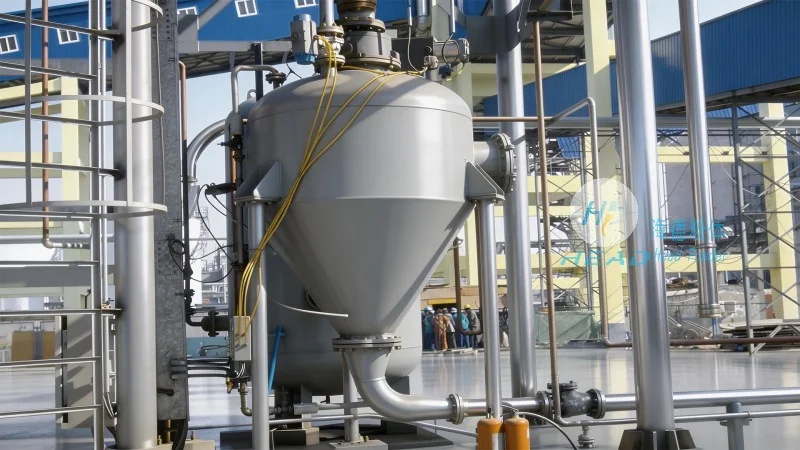
Shandong HeadPowder Engineering Co., Ltd. understands that each client's needs are unique, and therefore, offers customized solutions for ship loading and unloading powder conveying machines. The company works closely with clients to assess their specific requirements, such as the type of material, volume, and operating conditions, to design a system that meets their exact needs. Customization may include adjustments to the hopper size, feeder type, pipeline configuration, or discharge mechanism to ensure optimal performance. After the machine is installed and operational, the company provides comprehensive after-sales support, including maintenance services, spare parts supply, and technical assistance. This support ensures that the equipment operates at peak efficiency and longevity, minimizing downtime and maximizing return on investment. The company's commitment to quality and customer satisfaction has earned it a reputation as a trusted partner in the industry, with clients worldwide relying on their expertise for reliable and efficient powder handling solutions.