

What is Calcium Powder Pneumatic Conveying? Classification and Applications of Pneumatic Conveying
Calcium powder pneumatic conveying is a specialized method used in material handling and processing industries to transport calcium powder and similar fine powders through a pipeline system using air or gas as the conveying medium. This technology offers a flexible and efficient solution for moving bulk materials, particularly in applications where traditional mechanical conveying methods may be less suitable or effective.
Introduction to Pneumatic Conveying Systems
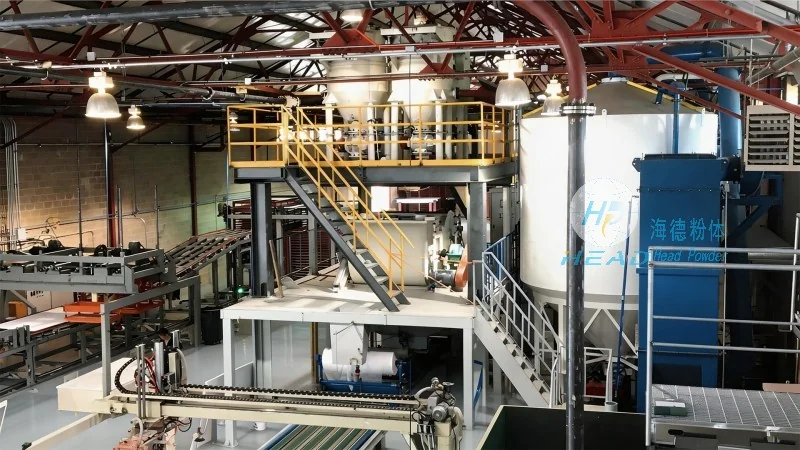
Pneumatic conveying systems operate by creating a pressure differential within a pipeline network. Air is introduced into the system, either by a blower or a vacuum pump, which then propels the calcium powder particles through the pipe. The design of these systems can vary significantly based on the material characteristics, the distance to be covered, and the required flow rate. For calcium powder, which is often a fine, abrasive, and potentially hygroscopic material, specialized equipment is essential to ensure efficient and reliable transport without degradation or blockage.
Key Components of Pneumatic Conveying for Calcium Powder
The core components of a pneumatic conveying system for calcium powder typically include a hopper or feeder to store and meter the powder, a conveying line (usually made of stainless steel or other corrosion-resistant materials to handle the abrasive nature of calcium powder), a pressure or vacuum source (such as a rotary lobe blower or a vacuum pump), and a receiver or discharge unit where the material is deposited. The selection of each component is critical to the overall performance and longevity of the system. For instance, the feeder must be capable of handling fine powders without bridging or clogging, while the conveying line must be robust enough to resist wear from the abrasive particles.
Classification of Pneumatic Conveying Systems
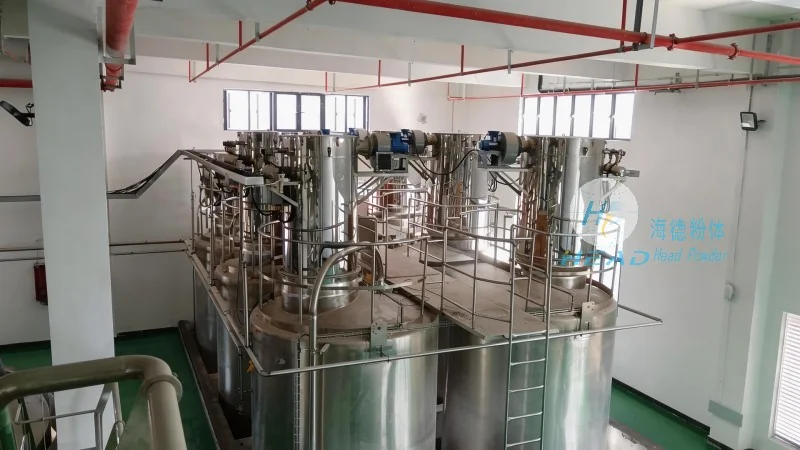
Pneumatic conveying systems are generally classified into two main categories: pressure and vacuum systems. Pressure systems use a positive pressure to push the material through the pipeline, typically from a blower located at the discharge end. Vacuum systems, on the other hand, use a vacuum pump at the discharge end to draw the material from the source. For calcium powder, both types can be employed depending on the specific application requirements. Pressure systems are often preferred for long-distance or high-volume transport, as they can maintain a consistent flow rate and are less prone to blockages compared to vacuum systems. Vacuum systems, however, are more suitable for short-distance or when the material needs to be conveyed from multiple sources to a single point.
Applications of Pneumatic Conveying in Calcium Powder Processing
The application of pneumatic conveying in calcium powder processing spans various industries, including pharmaceuticals, food processing, and chemical manufacturing. In pharmaceutical applications, the system must meet stringent hygiene and contamination control standards, often requiring stainless steel construction and closed-loop systems to prevent cross-contamination. In food processing, the equipment must be designed to handle food-grade materials and comply with regulatory requirements. For chemical manufacturing, the focus is on durability and resistance to chemical corrosion. Regardless of the industry, the primary benefits of pneumatic conveying for calcium powder include reduced labor costs, improved safety (as there is no need for manual handling of bulk materials), and enhanced process control through precise metering and flow regulation.
Advantages of Using Pneumatic Conveying for Calcium Powder
One of the most significant advantages of pneumatic conveying for calcium powder is its ability to handle fine, abrasive, and potentially dusty materials without the need for additional equipment like conveyor belts or screw conveyors. This reduces the risk of material degradation and equipment wear. Additionally, pneumatic systems offer flexibility in terms of layout, as the pipeline can be routed around obstacles and adapted to changing production needs. The system also provides better control over the flow rate and pressure, allowing for precise dosing and preventing overloading of downstream equipment. From a maintenance perspective, pneumatic conveying systems are generally simpler and require less frequent maintenance compared to mechanical systems, as there are fewer moving parts and less wear from abrasive materials.
Challenges and Considerations in Calcium Powder Pneumatic Conveying
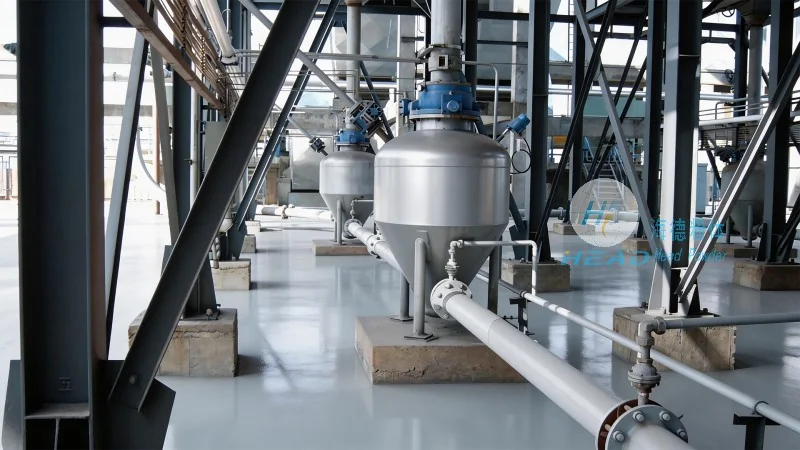
Despite its advantages, pneumatic conveying of calcium powder comes with certain challenges that must be addressed. One of the main challenges is the potential for blockages in the pipeline, especially if the powder is hygroscopic and absorbs moisture from the air, leading to clumping. To mitigate this, the system may include drying or humidification units to control the moisture content of the powder. Another challenge is the wear and tear on the conveying line and components due to the abrasive nature of calcium powder. Regular inspection and replacement of wear parts are necessary to maintain system efficiency. Furthermore, the energy consumption of pneumatic systems can be higher compared to mechanical systems, although modern high-efficiency blowers and vacuum pumps have reduced this impact. Proper system design and maintenance are crucial to minimize these challenges and ensure reliable operation.
Conclusion and Company Overview
Calcium powder pneumatic conveying is a vital technology in the material handling sector, offering an efficient and flexible solution for transporting fine powders. The classification and application of these systems depend on various factors, including material properties, distance, and industry requirements. By understanding the key components, advantages, and challenges of pneumatic conveying, industries can select the most appropriate system for their calcium powder processing needs. Shandong HeadPowder Engineering Co., Ltd., a leading provider in this field, specializes in designing and manufacturing customized pneumatic conveying systems tailored to the specific demands of calcium powder applications. With a focus on quality, durability, and customer satisfaction, the company serves clients across various industries, ensuring reliable and efficient material transport solutions. HeadPowder's expertise in pneumatic conveying technology, combined with its commitment to innovation and customer service, makes it a trusted partner for businesses seeking to optimize their calcium powder handling processes.