

What is Textile Fiber Pneumatic Conveying? Classification and Applications of Pneumatic Conveying
Pneumatic conveying is a method used to transport bulk materials through a pipeline system using air or gas as the conveying medium. In the context of textile industries, textile fibers such as cotton, polyester, and other synthetic or natural fibers are often handled with pneumatic systems due to their lightweight and sometimes dusty nature. This approach offers advantages like dust control, reduced contamination, and efficient material handling compared to traditional methods like belt conveyors or manual handling.
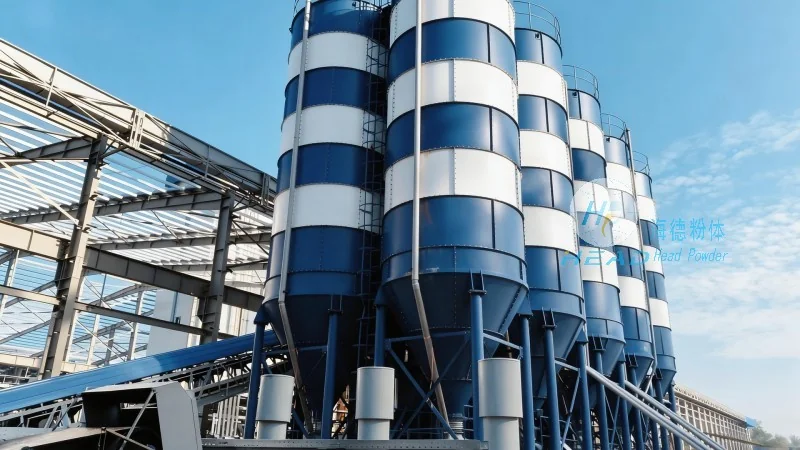
What is Pneumatic Conveying for Textile Fibers?
Textile fiber pneumatic conveying involves the use of air to move fibers from one location to another within a processing facility. The process typically includes a feeding device, a conveying line, and a collection system. The fibers are introduced into the system, often with an air stream, and transported through the pipeline to the desired destination. This method is particularly suitable for fibers that are fine, lightweight, and prone to dispersion or contamination, as it minimizes direct contact with the environment and reduces the risk of dust exposure.
Classification of Pneumatic Conveying Systems
Pneumatic conveying systems for textile fibers can be classified based on several factors, including the direction of airflow, the pressure used, and the system design. The main types include:
1. Positive Pressure (Pressure) Systems: These systems use compressed air to push the material through the pipeline. The air is introduced at the inlet, and the material is carried along by the air flow. This type is suitable for short to medium distances and is commonly used in textile processing plants where the fibers need to be moved from a storage area to a processing machine.
2. Negative Pressure (Vacuum) Systems: In this system, a vacuum is created at the outlet to draw the material into the pipeline. The air is then exhausted from the system, carrying the fibers along. Negative pressure systems are often used for longer distances or when the material needs to be transported from a higher elevation to a lower one, as the vacuum helps pull the fibers upward or downward as required.
3. Combined (Bi-Directional) Systems: These systems use both positive and negative pressure to handle material in both directions. They are versatile and can be used for more complex material flow paths, such as in large textile mills where fibers need to be transported between multiple processing stages.
4. Trunk and Branch Systems: This design involves a main trunk line with multiple branch lines. The trunk line carries the material at high velocity, while the branches deliver it to specific locations. This configuration is efficient for distributing fibers to several processing points from a central storage or collection area.
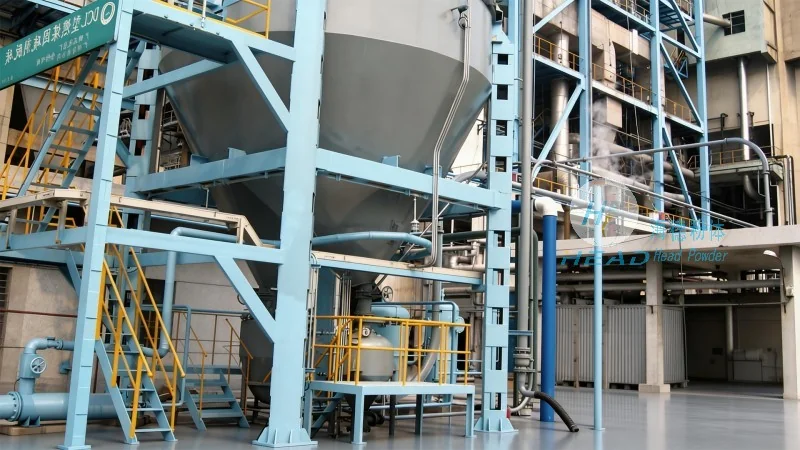
Applications of Pneumatic Conveying in Textile Industries
Pneumatic conveying is widely applied in various stages of textile production, from raw material handling to finished product processing. Some key applications include:
1. Raw Material Handling: Transporting raw fibers from storage silos or bales to processing machines. This ensures a continuous supply of material without manual intervention, improving production efficiency.
2. In-Process Material Transfer: Moving fibers between different processing stages, such as from a carding machine to a spinning machine or from a blending unit to a dyeing facility. Pneumatic systems allow for seamless transfer, reducing downtime and maintaining material quality.
3. Waste and Byproduct Management: Collecting and transporting waste fibers or byproducts from various machines into a central waste handling system. This helps in maintaining a clean working environment and facilitates recycling or disposal processes.
4. Finished Product Handling: Conveying finished textile products or intermediate products from the production line to storage or packaging areas. This ensures that the products are handled gently and without damage, preserving their quality.
Advantages of Using Pneumatic Conveying for Textile Fibers
Implementing pneumatic conveying systems for textile fibers offers several benefits that contribute to improved operational efficiency and product quality:
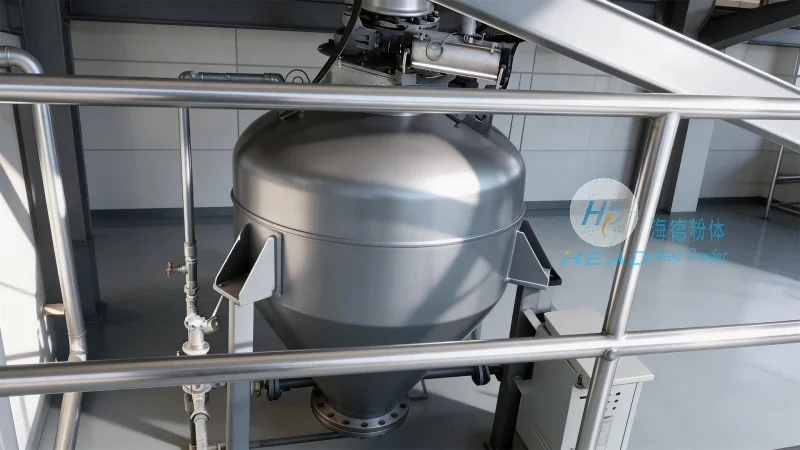
1. Dust Control and Environmental Protection: Pneumatic systems enclose the material, preventing dust from being released into the air. This reduces the risk of respiratory issues for workers and minimizes environmental contamination, making it a more sustainable option.
2. Reduced Contamination: By keeping fibers in a closed system, the risk of contamination from external sources is significantly reduced. This is crucial for maintaining the purity of the fibers, especially for high-quality textiles.
3. Efficient Material Handling: The systems can handle large volumes of material at high speeds, improving production throughput. They also reduce the need for manual labor, lowering labor costs and the risk of human error.
4. Space Efficiency: Pneumatic conveying systems can be installed in tight spaces or overhead, making them suitable for facilities with limited floor space. The vertical and horizontal flexibility allows for optimized use of available area.
5. Improved Product Quality: The enclosed and controlled environment of pneumatic systems helps maintain the integrity of the fibers, preventing breakage or degradation during transport. This results in higher quality end products.
Considerations for Selecting a Pneumatic Conveying System
When selecting a pneumatic conveying system for textile fiber applications, several factors should be considered to ensure optimal performance and cost-effectiveness:
1. Material Properties: The characteristics of the textile fibers, such as particle size, moisture content, and density, influence the choice of system. For example, fine fibers may require higher air velocities or different system designs to prevent clogging.
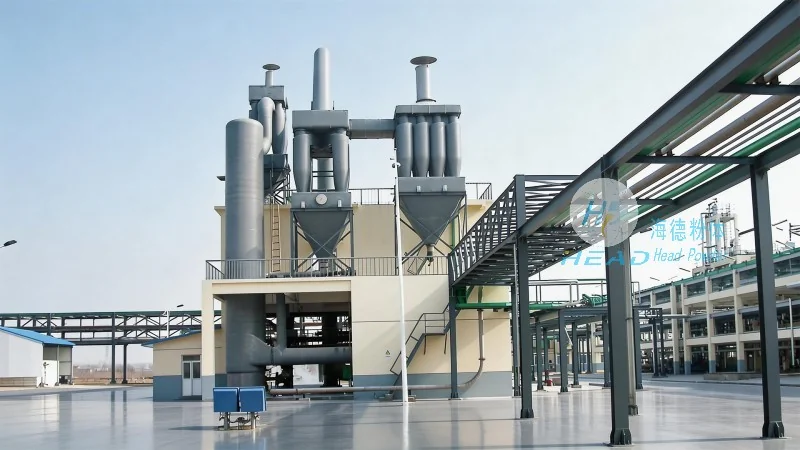
2. Conveying Distance and Height: The distance and elevation changes between the start and end points of the material flow determine the system's design. Longer distances or higher elevations may require more powerful compressors or different pressure levels.
3. System Capacity: The required throughput or volume of material to be conveyed per hour must be matched with the system's capacity. Overloading the system can lead to performance issues or equipment damage.
4. Energy Efficiency: Choosing an energy-efficient system can reduce operational costs over time. Factors like air compressor efficiency, system design, and maintenance practices play a role in energy consumption.
5. Maintenance and Durability: The system should be constructed from materials that can withstand the abrasive nature of textile fibers and the effects of air and moisture. Regular maintenance is also essential to ensure long-term reliability.
About Shandong HeadPowder Engineering Co., Ltd.
Shandong HeadPowder Engineering Co., Ltd., commonly known as HeadPowder, is a leading provider of pneumatic conveying solutions tailored for the textile industry. With a focus on innovation and customer satisfaction, HeadPowder specializes in designing and manufacturing customized pneumatic systems that meet the unique needs of textile manufacturers. The company's expertise lies in understanding the specific challenges of handling textile fibers, such as dust control, material purity, and efficient transport, and developing solutions that address these challenges effectively.
HeadPowder's team of engineers and technicians works closely with clients to assess their material handling requirements, recommend appropriate system configurations, and provide installation and maintenance services. The company's commitment to quality and reliability ensures that its systems deliver consistent performance and contribute to improved productivity in textile processing facilities. Based in Shandong, China, HeadPowder serves clients globally, offering comprehensive support from initial consultation to long-term system optimization.