

What is Dry Flue Gas Desulfurization Agent Pneumatic Conveying? Classification and Applications of P
Understanding the principles and applications of dry flue gas desulfurization (FGD) agent pneumatic conveying is crucial for optimizing industrial processes in power generation and environmental control. This article explores the fundamental concepts of pneumatic conveying systems, categorizes them based on operational principles, and highlights their practical applications in handling dry FGD agents.
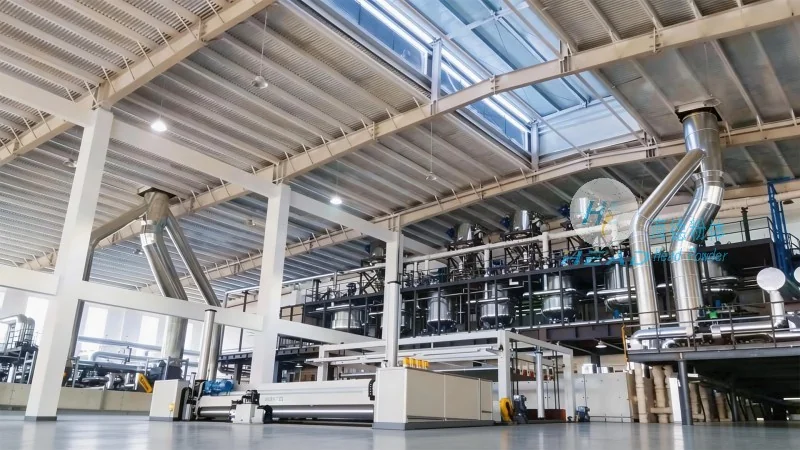
What is Dry Flue Gas Desulfurization Agent Pneumatic Conveying?
Dry flue gas desulfurization (FGD) agent, typically calcium-based sorbents like limestone or lime, is essential for removing sulfur dioxide (SO₂) from flue gases in thermal power plants. Pneumatic conveying is a method used to transport these dry FGD agents efficiently from storage to the reaction tower or other processing units. This technique involves using air or other gases to create a flow that moves the solid particles through a pipeline. The process is characterized by its ability to handle fine powders, maintain low moisture content, and minimize material degradation during transport.
Classification of Pneumatic Conveying Systems
Pneumatic conveying systems are broadly classified into two main categories: dilute-phase and dense-phase. Each type has distinct characteristics and is suited for different operational requirements.
Dilute-Phase Pneumatic Conveying operates at high velocities, typically 20-30 meters per second, with a low solid-to-gas ratio. This method is efficient for short to medium-distance transport and is commonly used for transporting fine powders over distances up to several hundred meters. The system relies on the kinetic energy of the gas to move particles, making it suitable for applications where material degradation is a concern. However, it may require higher air volumes and can be less energy-efficient for long-distance transport.
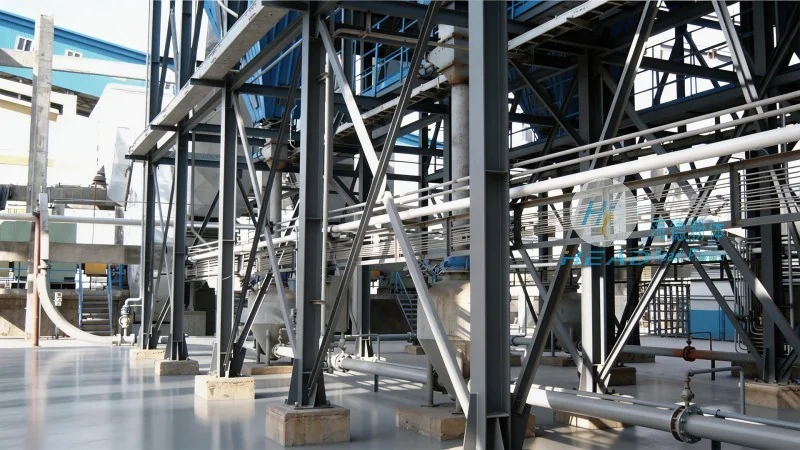
Dense-Phase Pneumatic Conveying operates at lower velocities, around 5-10 meters per second, with a higher solid-to-gas ratio. This approach is ideal for transporting bulk materials over longer distances, as it reduces particle impact and wear on pipelines. Dense-phase systems use a combination of pressure and velocity to move materials, often incorporating pulse or valve systems to control the flow. This method is particularly effective for handling abrasive or sensitive powders, ensuring minimal degradation and consistent flow rates.
Applications of Pneumatic Conveying in FGD Systems
The application of pneumatic conveying in dry FGD systems is critical for maintaining operational efficiency and environmental compliance. Key applications include:
1. Transport from Storage to Reaction Tower: Pneumatic conveying systems efficiently move dry FGD agents from bulk storage silos to the reaction tower, where they react with SO₂ in the flue gas. This ensures a continuous supply of sorbent material, maintaining optimal desulfurization rates.
2. Reagent Distribution in Multi-Unit Plants: In power plants with multiple boilers or units, pneumatic conveying allows for the centralized storage and distribution of FGD agents to different reaction towers. This reduces material handling costs and improves operational flexibility.
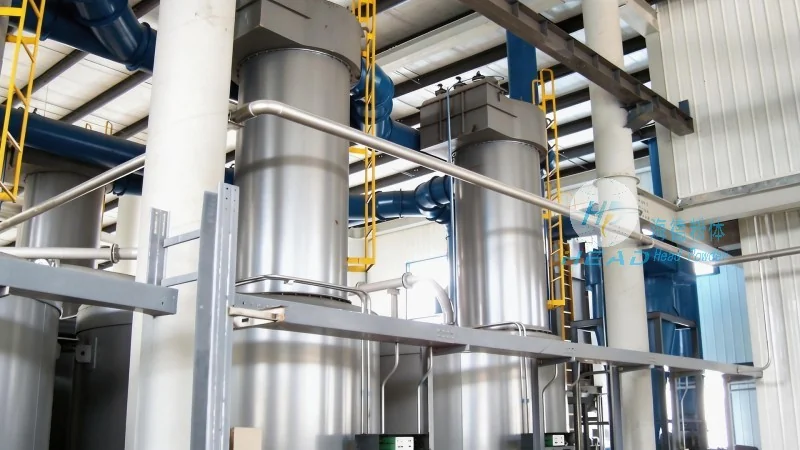
3. Handling of Fine and Abrasive Powders: Dry FGD agents are often fine and abrasive, requiring specialized conveying systems to prevent pipeline wear and material degradation. Pneumatic conveying, especially dense-phase, is well-suited for these materials, as it minimizes particle impact and maintains consistent particle size distribution.
4. Integration with Automation and Control Systems: Modern pneumatic conveying systems are integrated with automated control systems that monitor flow rates, pressure, and material levels. This integration enhances process control, reduces downtime, and ensures compliance with environmental regulations.
About Shandong HeadPowder Engineering Co., Ltd.
Shandong HeadPowder Engineering Co., Ltd., operating under the brand name headpowder, is a leading provider of engineering solutions for dry flue gas desulfurization and material handling systems. With a focus on innovation and quality, the company specializes in designing and manufacturing pneumatic conveying systems tailored to the specific needs of power generation and environmental industries. HeadPowder's expertise in material handling and process engineering ensures reliable and efficient operation of FGD systems, contributing to reduced emissions and improved environmental performance.