

Classification and Application Analysis of Quicklime Pneumatic Conveying Systems
Quicklime, also known as calcium oxide (CaO), is a widely used industrial material in various sectors such as cement production, steel manufacturing, and chemical processing. The efficient and safe transportation of quicklime from storage to processing units is crucial for maintaining production efficiency and operational safety. Pneumatic conveying systems have emerged as a preferred method for handling quicklime due to their ability to transport bulk materials in a dust-free environment and with minimal maintenance requirements. This article provides a detailed classification of quicklime pneumatic conveying systems and an analysis of their practical applications.
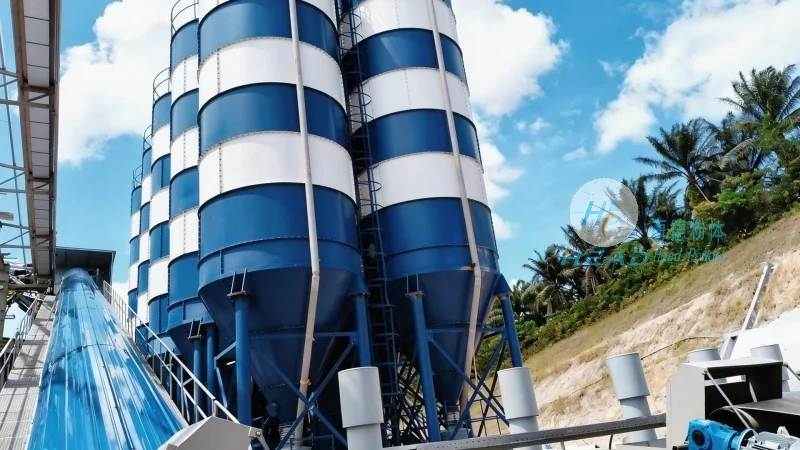
Overview of Quicklime Pneumatic Conveying Systems
Quicklime pneumatic conveying systems are designed to transport quicklime powder or granules through a pipeline using air or other gases as the conveying medium. These systems are categorized based on the pressure differential between the conveying line and the ambient environment. The two primary types are positive pressure systems and negative pressure systems, each with distinct characteristics and applications.
Classification of Quicklime Pneumatic Conveying Systems
1. Positive Pressure Pneumatic Conveying Systems
Positive pressure systems operate by blowing air or gas into the conveying line under pressure, typically above atmospheric pressure. The material is fed into the system at the inlet, and the pressurized air propels the quicklime through the pipeline to the discharge point. This type of system is suitable for long-distance and high-capacity transport, as it can maintain consistent flow rates and handle abrasive materials without significant wear on components. Positive pressure systems are commonly used in industrial settings where the material needs to be transported over considerable distances, such as from storage silos to processing plants.
2. Negative Pressure Pneumatic Conveying Systems
Negative pressure systems, also known as vacuum systems, operate by creating a vacuum in the conveying line, which draws the quicklime material into the system. The material is typically fed into the inlet using a hopper or feeder, and the vacuum pulls the material through the pipeline to the discharge point. Negative pressure systems are ideal for applications requiring dust control and material handling in enclosed environments, such as in chemical plants or food processing facilities. They are particularly effective for short to medium-distance transport and for handling materials that are sensitive to pressure changes or require a controlled discharge environment.
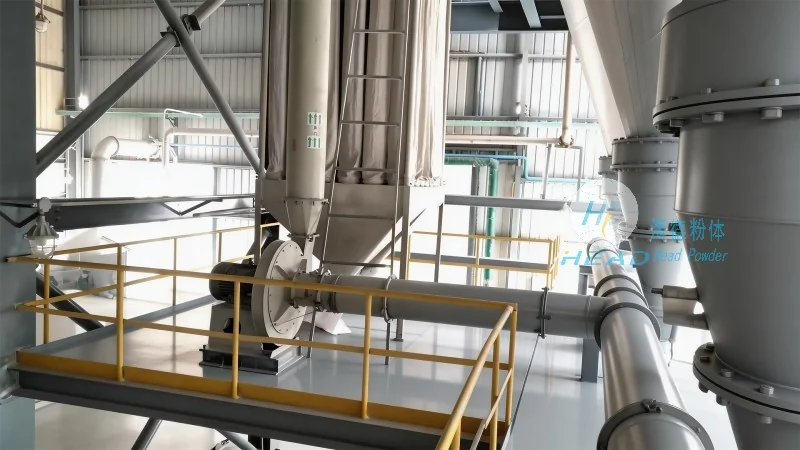
3. Hybrid Pneumatic Conveying Systems
Hybrid systems combine elements of both positive and negative pressure systems to achieve optimal performance. These systems may use a positive pressure section for the initial material acceleration and a negative pressure section for the final material discharge, or vice versa. Hybrid systems are often employed in complex conveying routes that involve multiple changes in elevation or direction, ensuring efficient material transport while minimizing energy consumption and wear on components. They are suitable for applications where flexibility and adaptability are required, such as in large-scale industrial plants with diverse processing requirements.
Application Analysis of Quicklime Pneumatic Conveying Systems
1. Cement Industry
In the cement manufacturing process, quicklime is a key raw material used to produce clinker. Pneumatic conveying systems are extensively used to transport quicklime from storage silos to the raw material preparation area. The positive pressure systems are commonly employed here due to their ability to handle large volumes of material over long distances with high efficiency. The systems ensure that the quicklime is delivered in a consistent and controlled manner, which is critical for maintaining the quality of the cement product. For example, in large cement plants, positive pressure pneumatic conveyors can transport quicklime from storage silos located several hundred meters away to the grinding and mixing units, ensuring a steady supply of raw material without interruptions.
2. Steel Industry
Quicklime is also widely used in the steel industry for desulfurization and slag formation during the steelmaking process. Pneumatic conveying systems are used to transport quicklime from storage facilities to the steelmaking furnaces. Negative pressure systems are often preferred in this application due to the need to handle the material in a controlled environment and minimize dust emissions. The vacuum systems can effectively draw quicklime from storage hoppers and deliver it to the furnace in a dust-free manner, ensuring the safety of workers and the quality of the steel product. Additionally, the systems can handle the abrasive nature of quicklime without significant wear, making them suitable for high-temperature and high-stress environments typical of steel plants.
3. Chemical Processing
In chemical processing industries, quicklime is used in various applications such as water treatment, flue gas desulfurization, and the production of calcium-based chemicals. Pneumatic conveying systems are employed to transport quicklime to processing units where it is reacted with other chemicals to produce desired products. The choice of system depends on the specific application requirements, such as the need for dust control or the handling of fine powders. Positive pressure systems are often used for transporting quicklime in bulk quantities to large-scale chemical plants, while negative pressure systems are preferred for applications involving fine powders or where environmental regulations require strict dust control measures.
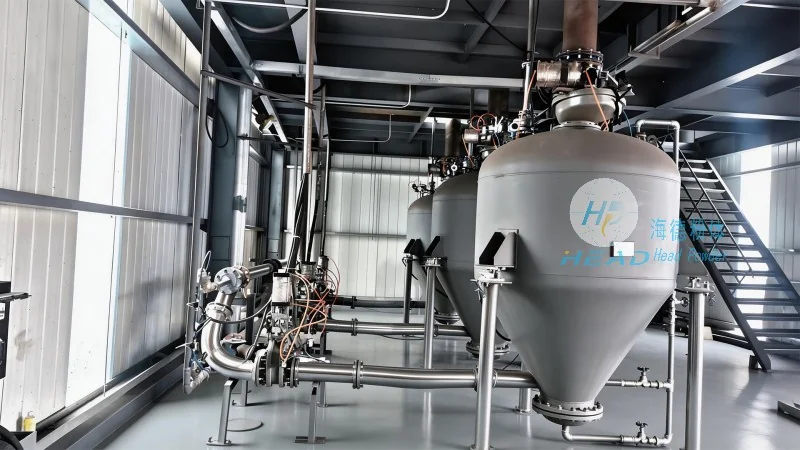
4. Construction and Building Materials
Quicklime is used in construction applications such as mortar production, plaster, and concrete additives. Pneumatic conveying systems are utilized to transport quicklime from storage silos to construction sites or processing facilities. The systems ensure that the quicklime is delivered in a consistent and hygienic manner, which is essential for maintaining the quality of construction materials. Positive pressure systems are commonly used in this sector due to their ability to handle large volumes of material over moderate distances, ensuring a steady supply of quicklime for construction projects. The systems are also designed to minimize dust generation, which is important for maintaining a clean and safe working environment on construction sites.
Key Considerations for Selecting Quicklime Pneumatic Conveying Systems
When selecting a quicklime pneumatic conveying system, several factors need to be considered to ensure optimal performance and efficiency. These include the material characteristics of quicklime, such as its particle size, moisture content, and abrasiveness, as well as the distance and capacity requirements of the transport. The system's ability to handle dust and maintain a clean environment is also critical, especially in applications where environmental regulations are stringent. Additionally, the cost of installation, maintenance, and energy consumption should be evaluated to ensure the system is economically viable for the specific application. Proper selection of the system type (positive, negative, or hybrid) based on the operational requirements and material properties is essential for achieving reliable and efficient quicklime transport.
Conclusion
Pneumatic conveying systems play a vital role in the efficient and safe transportation of quicklime in various industrial applications. The classification of these systems into positive pressure, negative pressure, and hybrid types allows for the selection of the most appropriate system based on specific operational needs and material characteristics. The applications in the cement, steel, chemical processing, and construction industries demonstrate the versatility and effectiveness of quicklime pneumatic conveying systems. By understanding the characteristics and applications of different system types, industrial operators can make informed decisions to optimize their material handling processes and improve overall operational efficiency. Shandong HeadPowder Engineering Co., Ltd., a leading provider of industrial material handling solutions, specializes in designing and manufacturing customized quicklime pneumatic conveying systems tailored to the unique requirements of each client. With a focus on quality, reliability, and innovation, HeadPowder ensures that its systems meet the highest standards of performance and safety, contributing to the success of industrial operations worldwide.