

Classification and Application Analysis of Quicklime Pneumatic Conveying Systems
Quicklime, also known as calcium oxide, is a widely used industrial material in various sectors such as construction, chemical manufacturing, and environmental treatment. The efficient and reliable transportation of quicklime from production sites to processing facilities is crucial for maintaining production efficiency and ensuring product quality. Pneumatic conveying systems have emerged as a preferred method for handling quicklime due to their ability to transport materials in a dust-free environment, reduce material degradation, and enhance operational safety. This article provides a comprehensive classification of quicklime pneumatic conveying systems and analyzes their practical applications, with a focus on the expertise of Shandong HeadPowder Engineering Co., Ltd., a leading provider in the field.
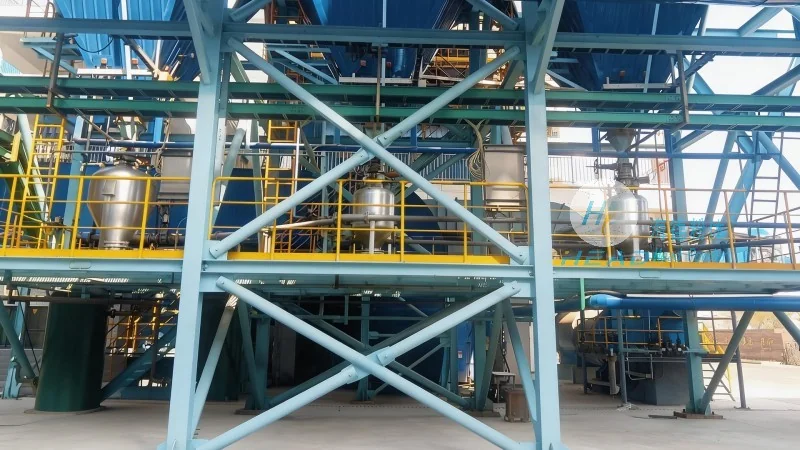
Overview of Quicklime Pneumatic Conveying Systems
Pneumatic conveying systems for quicklime are designed to transport the material through a pipeline using air or other gases as the conveying medium. These systems are categorized based on several key factors, including the conveying principle, pressure levels, and material handling capacity. The primary classification of quicklime pneumatic conveying systems includes positive pressure systems, negative pressure systems, and hybrid systems. Each type has distinct characteristics and is suitable for different operational requirements.
Classification of Quicklime Pneumatic Conveying Systems
1. **Positive Pressure Conveying Systems**: In this system, air is supplied under pressure to the material feed point, and the material is carried forward by the pressurized air. The system operates by creating a positive pressure zone at the inlet, which forces the material through the pipeline. Positive pressure systems are commonly used for long-distance and high-capacity conveying, as they can maintain consistent material flow and reduce the risk of blockages. They are particularly suitable for applications where the quicklime is to be transported over significant distances or through complex piping networks.
2. **Negative Pressure Conveying Systems**: Also known as vacuum systems, negative pressure conveying operates by creating a vacuum at the material discharge point, drawing the material into the pipeline. The system uses a suction fan to generate the vacuum, which pulls the quicklime from the source and transports it to the destination. Negative pressure systems are ideal for applications where the material needs to be conveyed from multiple sources or where the material is sensitive to pressure changes. They are commonly used in environments where dust control is critical, as the system draws material into the pipeline rather than blowing it out.
3. **Hybrid Conveying Systems**: Hybrid systems combine elements of both positive and negative pressure systems. They may use a combination of pressure and vacuum to optimize material handling. For instance, a hybrid system might use positive pressure at the feed point to push the material forward and negative pressure at the discharge point to assist in material collection. This approach allows for greater flexibility in handling varying material characteristics and operational conditions. Hybrid systems are often employed in complex industrial settings where multiple material sources and destinations are involved.
Key Components of Quicklime Pneumatic Conveying Systems
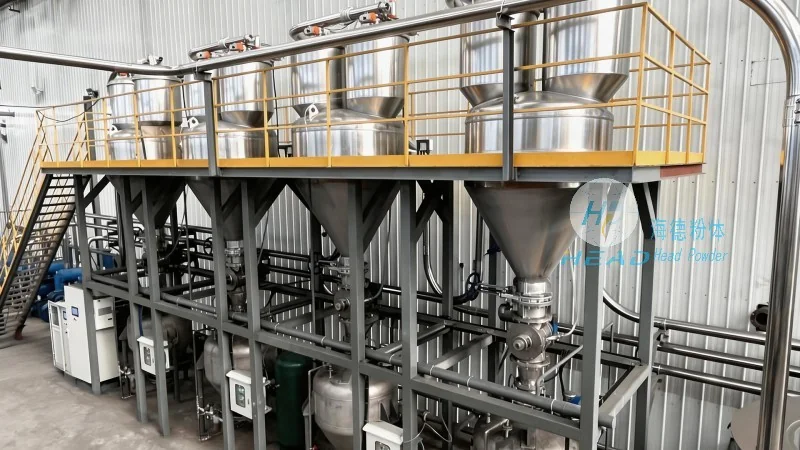
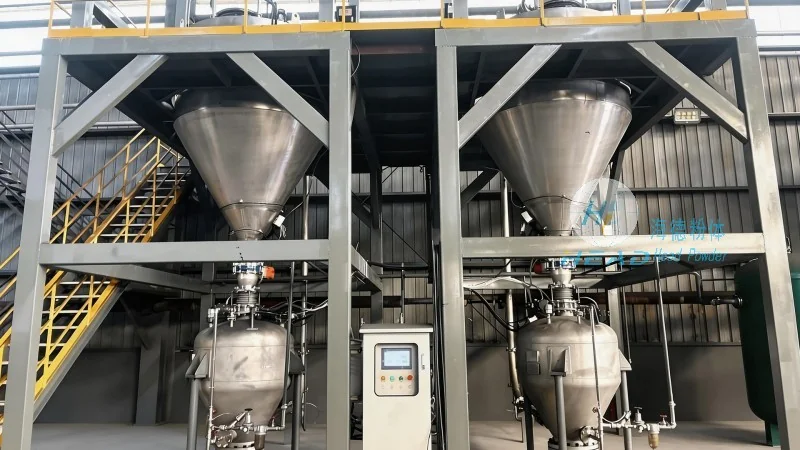
Regardless of the classification, quicklime pneumatic conveying systems typically consist of several essential components. These include material feeders, conveying pipelines, air compressors or vacuum pumps, control valves, and material collection hoppers. The material feeder is responsible for feeding the quicklime into the pipeline at a controlled rate, ensuring consistent material flow. The conveying pipelines are usually made of materials resistant to quicklime's corrosive properties, such as stainless steel or special alloys. Air compressors or vacuum pumps provide the necessary pressure or vacuum to move the material through the system. Control valves regulate the air flow and material transport, allowing for adjustments based on operational needs. Finally, material collection hoppers are used to collect the quicklime at the destination, ensuring a clean and efficient discharge process.
Applications of Quicklime Pneumatic Conveying Systems
The versatility of quicklime makes it essential in various industrial applications, and pneumatic conveying systems are tailored to meet the specific requirements of each application. Some of the key applications include:
1. **Construction Industry**: Quicklime is widely used in the production of cement, mortar, and concrete. Pneumatic conveying systems are used to transport quicklime from storage silos to mixing plants, ensuring a consistent supply of raw material. This method minimizes material handling time and reduces the risk of dust exposure for workers.
2. **Chemical Manufacturing**: In chemical plants, quicklime is used as a reagent in the production of calcium-based chemicals, such as calcium chloride and calcium carbonate. Pneumatic conveying systems are employed to transport quicklime from storage areas to reaction vessels, maintaining a controlled and dust-free environment. This helps in improving the efficiency of chemical reactions and reducing the risk of contamination.
3. **Environmental Treatment**: Quicklime is an effective agent for neutralizing acidic waste and treating industrial effluents. Pneumatic conveying systems are used to transport quicklime to treatment facilities, ensuring a steady supply of the material for waste treatment processes. This application is critical for maintaining environmental compliance and reducing the impact of industrial waste on the environment.
4. **Mining and Mineral Processing**: In mining operations, quicklime is used for pH adjustment and ore processing. Pneumatic conveying systems are utilized to transport quicklime from storage to processing equipment, enhancing the efficiency of mineral extraction and processing. This method helps in reducing material handling costs and improving the overall productivity of mining operations.
Advantages of Quicklime Pneumatic Conveying Systems
Compared to traditional material handling methods, such as belt conveyors or manual handling, quicklime pneumatic conveying systems offer several advantages. These include:
1. **Dust-Free Operation**: Pneumatic conveying systems transport quicklime in a sealed pipeline, preventing dust from being released into the environment. This reduces the risk of respiratory problems for workers and minimizes the impact on the surrounding environment.
2. **Reduced Material Degradation**: The enclosed system protects quicklime from moisture and air exposure, which can cause degradation of the material. This ensures that the quicklime reaches its destination in optimal condition, maintaining its quality and effectiveness.
3. **Enhanced Safety**: Pneumatic conveying systems eliminate the need for manual handling of quicklime, reducing the risk of accidents and injuries. The sealed system also prevents the material from coming into contact with workers, minimizing the risk of exposure to harmful substances.
4. **Improved Efficiency**: The automated nature of pneumatic conveying systems allows for consistent and continuous material transport, reducing downtime and increasing production efficiency. The system can be easily controlled and adjusted to meet changing operational needs, ensuring optimal performance.
Case Study: Shandong HeadPowder Engineering Co., Ltd.
Shandong HeadPowder Engineering Co., Ltd., a leading provider of quicklime pneumatic conveying systems, specializes in designing and manufacturing customized solutions for various industrial applications. The company has extensive experience in the field, with a team of engineers and technicians dedicated to developing efficient and reliable systems. HeadPowder's systems are designed to meet the specific requirements of each client, ensuring optimal performance and minimal downtime. The company's commitment to quality and customer satisfaction has made it a trusted partner in the industry.
For example, HeadPowder provided a positive pressure conveying system to a cement manufacturing plant in China. The system was designed to transport quicklime from storage silos to the mixing plant over a distance of 500 meters. The system was equipped with a high-capacity air compressor and a material feeder, ensuring consistent material flow. The plant reported a significant reduction in material handling time and an improvement in product quality after implementing the system. This case study demonstrates the effectiveness of HeadPowder's systems in enhancing operational efficiency and product quality.
Conclusion
Quicklime pneumatic conveying systems are an essential component of modern industrial operations, providing efficient and reliable transportation of quicklime. The classification of these systems, based on pressure levels and conveying principles, allows for the selection of the most suitable system for specific applications. The key components and advantages of these systems, such as dust-free operation and enhanced safety, make them a preferred choice over traditional material handling methods. With the expertise of companies like Shandong HeadPowder Engineering Co., Ltd., the implementation of quicklime pneumatic conveying systems has become more accessible and effective, contributing to improved productivity and environmental compliance in various industries.