

Classification and Application Analysis of Ceramic Powder Pneumatic Conveying Systems
HeadPowder, a leading enterprise in the field of powder handling technology, specializes in the design, manufacturing, and application of pneumatic conveying systems tailored for ceramic powder processing. This article provides a comprehensive classification of ceramic powder pneumatic conveying systems and analyzes their practical applications in industrial settings.
Introduction to Ceramic Powder Pneumatic Conveying Systems
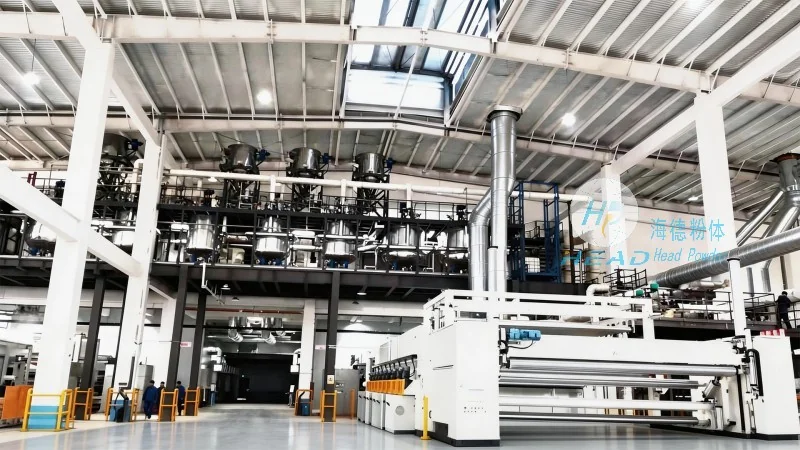
Ceramic powders, such as alumina, zirconia, and silica, are widely used in various industries including ceramics, electronics, and aerospace. The efficient and reliable transportation of these powders is crucial for maintaining production efficiency and product quality. Pneumatic conveying systems offer a non-contact, low-cost, and flexible solution for handling ceramic powders, which are often abrasive and sensitive to moisture. HeadPowder's expertise lies in developing customized pneumatic conveying solutions that meet the specific requirements of ceramic powder processing plants.
Classification of Ceramic Powder Pneumatic Conveying Systems
Pneumatic conveying systems for ceramic powders can be broadly classified into two main categories based on the method of air flow and material transport: aspiration (suction) systems and pressure (blowing) systems. Each type has distinct characteristics and is suitable for different operational conditions and material properties.
1. Aspiration (Suction) Pneumatic Conveying Systems
Aspiration systems operate by creating a negative pressure at the material inlet, drawing the powder from the source into the conveying line using a vacuum pump. These systems are ideal for applications where the material needs to be transported from a low-level or remote source to a central processing unit. The key advantages of aspiration systems include low initial investment, minimal space requirements, and the ability to handle powders with high moisture content or fine particle sizes. However, they have limitations in terms of conveying distance and material capacity compared to pressure systems.
2. Pressure (Blowing) Pneumatic Conveying Systems
Pressure systems generate positive pressure within the conveying line using a blower or compressor, pushing the powder from the source to the destination. These systems are more suitable for long-distance and high-capacity applications, as they can maintain consistent flow rates and handle larger volumes of material. Pressure systems are often preferred for ceramic powders that are dry and free-flowing, as they provide better control over particle dispersion and reduce the risk of material degradation. HeadPowder offers advanced pressure systems equipped with variable frequency drives and intelligent control panels to optimize performance and energy efficiency.
Key Components and Design Considerations
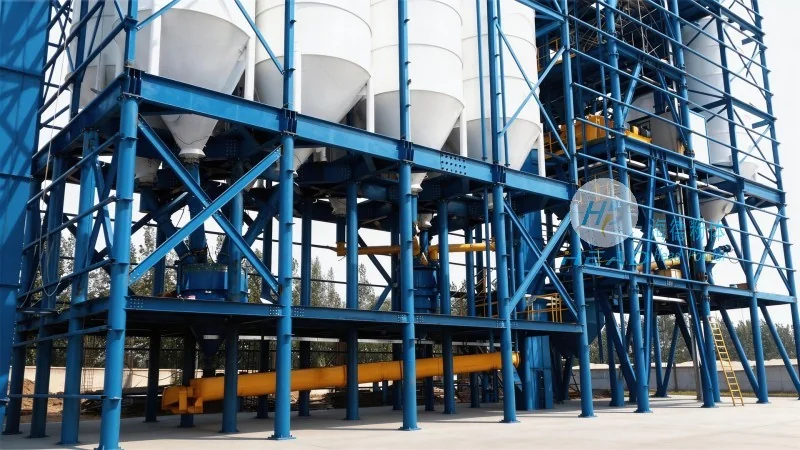
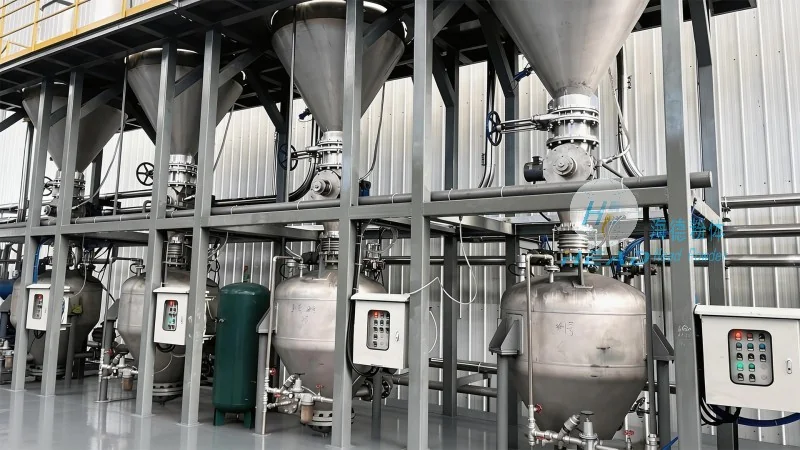
Both aspiration and pressure pneumatic conveying systems consist of several critical components that ensure reliable operation. These include: material feeders (hoppers and rotary valves), conveying lines (flexible or rigid pipes), air supply units (vacuum pumps or blowers), and control systems. The design of these components is tailored to the specific characteristics of ceramic powders, such as particle size distribution, density, and flowability. For example, the use of wear-resistant materials (e.g., stainless steel, ceramic liners) in the conveying lines and feeders is essential to prevent abrasion and extend the system's service life. HeadPowder's engineers employ advanced computational fluid dynamics (CFD) simulations to optimize the system design and minimize pressure drop, ensuring efficient material transport with minimal energy consumption.
Applications in Ceramic Industry
The application of pneumatic conveying systems in the ceramic industry spans various stages of powder processing, from raw material handling to finished product packaging. Some typical applications include:
1. Raw Material Transport
In ceramic production facilities, raw materials like clay, feldspar, and quartz are often stored in bulk and need to be conveyed to mixing and grinding units. Pneumatic conveying systems provide a clean and dust-free method to transport these powders, preventing contamination and maintaining product purity. HeadPowder's systems have been successfully implemented in large-scale ceramic factories in Shandong, China, where they have replaced traditional bucket elevators and belt conveyors, reducing labor costs and improving operational safety.
2. Powder Mixing and Blending
During the production of ceramic bodies, different raw materials are mixed in precise ratios to achieve the desired properties. Pneumatic conveying systems allow for accurate and homogeneous blending of powders by controlling the flow rates of each material. The use of multiple feeders and a central mixing tank enables the production of consistent ceramic mixes, which is critical for maintaining product quality and reducing waste. HeadPowder's customized mixing systems have helped ceramic manufacturers achieve tighter control over material composition, leading to improved product performance and market competitiveness.
3. Firing and Post-Processing
After the ceramic powders are formed into products (e.g., tiles, sanitaryware, or porcelain), they undergo firing in kilns. The transportation of finished products or intermediate products between processing stages requires efficient handling. Pneumatic conveying systems can be adapted for this purpose, especially for lightweight or delicate items. HeadPowder's flexible conveying solutions have been used in post-processing lines to transport finished ceramic products from the kiln to packaging areas, ensuring minimal damage and maintaining product integrity.
Advantages of HeadPowder's Pneumatic Conveying Systems
HeadPowder Engineering Co., Ltd., headquartered in Shandong, China, is a trusted provider of high-quality pneumatic conveying systems for ceramic powder applications. The company's products are designed to address the unique challenges of ceramic powder handling, offering several advantages over conventional methods:
1. Customized Solutions
HeadPowder understands that each ceramic production facility has distinct requirements. The company offers tailored pneumatic conveying systems that are optimized for the specific material properties, production capacity, and operational environment. Whether it's an aspiration system for low-level raw material transport or a high-pressure system for long-distance powder mixing, HeadPowder's engineers work closely with clients to develop solutions that meet their exact needs.
2. Advanced Technology
The company integrates the latest technological advancements into its systems, including variable frequency drives (VFDs) for energy efficiency, intelligent control panels for real-time monitoring, and CFD simulations for system optimization. These features ensure that the pneumatic conveying systems operate at peak performance, with minimal energy consumption and maximum reliability.
3. Durability and Longevity
Ceramic powders are often abrasive and can cause wear on equipment. HeadPowder's systems are constructed with wear-resistant materials and equipped with maintenance-friendly designs, ensuring long service life and low maintenance costs. The company's systems have a proven track record of reliable operation in harsh industrial environments, with many installations still in service after more than a decade.
4. Environmental Compliance
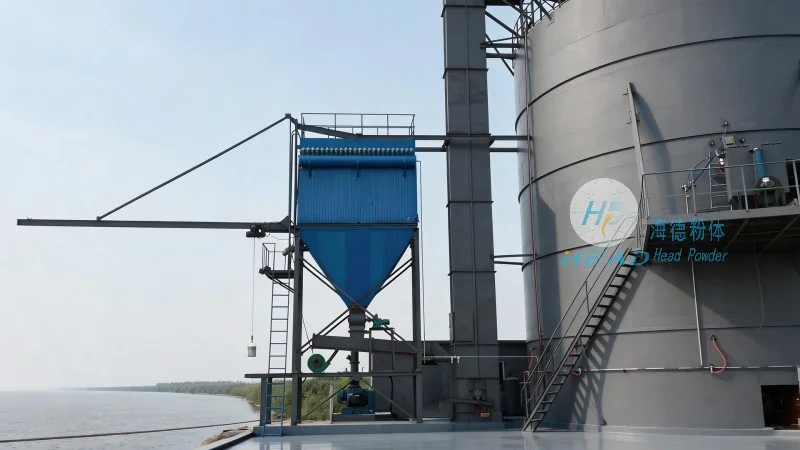
HeadPowder's pneumatic conveying systems are designed to minimize dust emissions and comply with environmental regulations. The use of sealed conveying lines and advanced filtration systems ensures that the operation is clean and safe, reducing the risk of dust-related health hazards and environmental pollution.
Conclusion
Pneumatic conveying systems are essential for the efficient and reliable handling of ceramic powders in modern industrial settings. The classification of these systems into aspiration and pressure types, along with the key design considerations and application scenarios, provides a comprehensive understanding of their role in the ceramic industry. HeadPowder Engineering Co., Ltd., with its expertise and commitment to quality, offers customized pneumatic conveying solutions that enhance production efficiency, product quality, and operational safety for ceramic manufacturers worldwide.